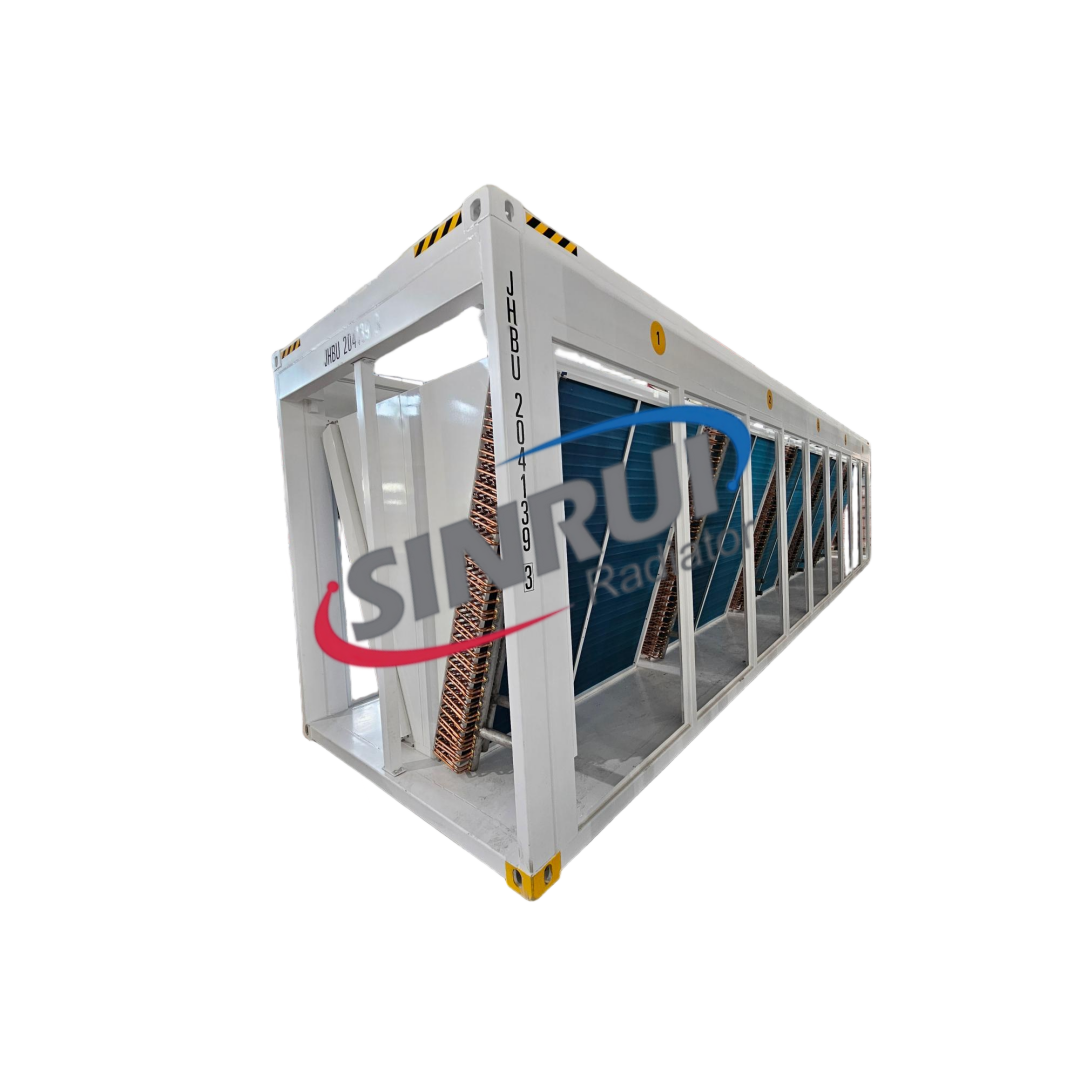
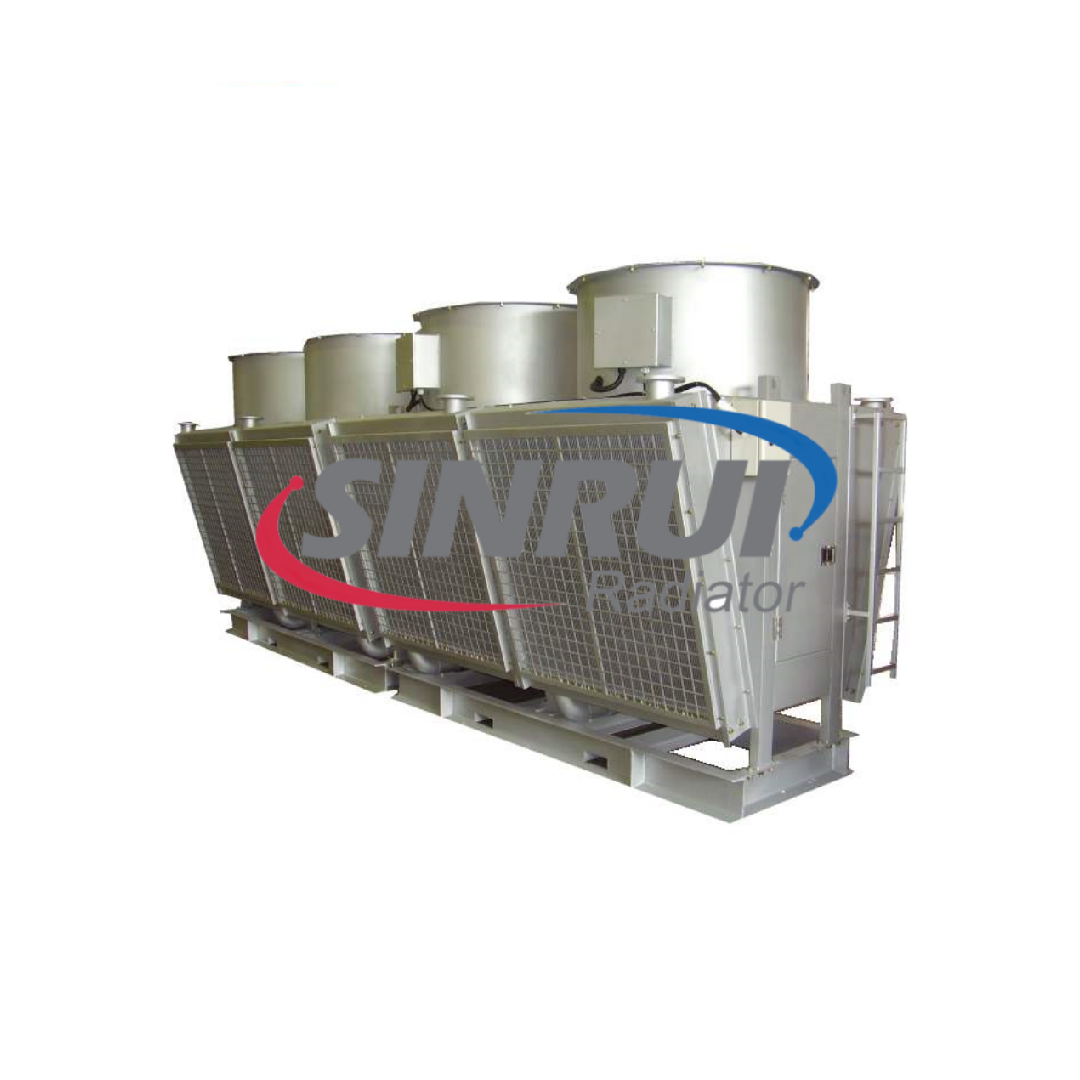
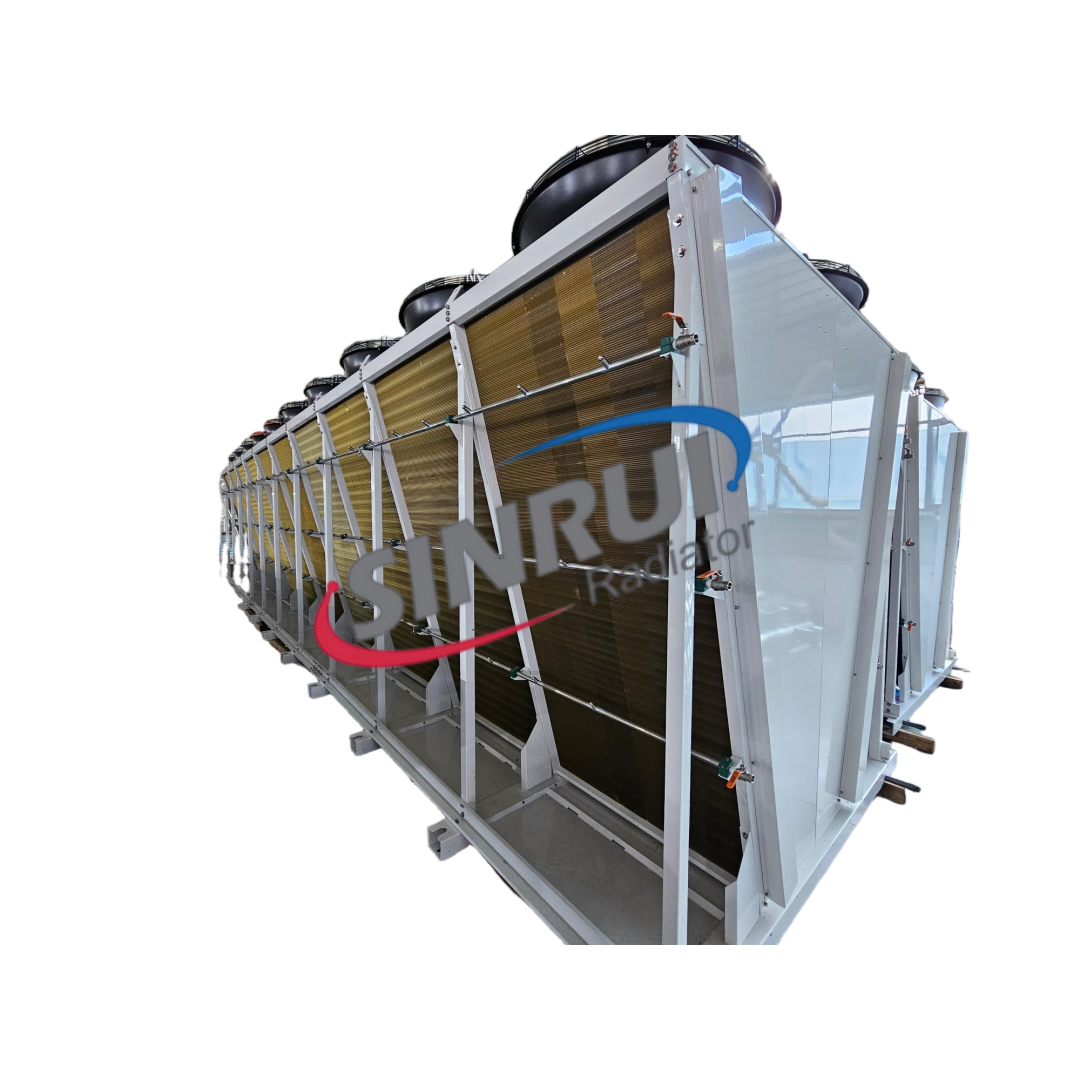
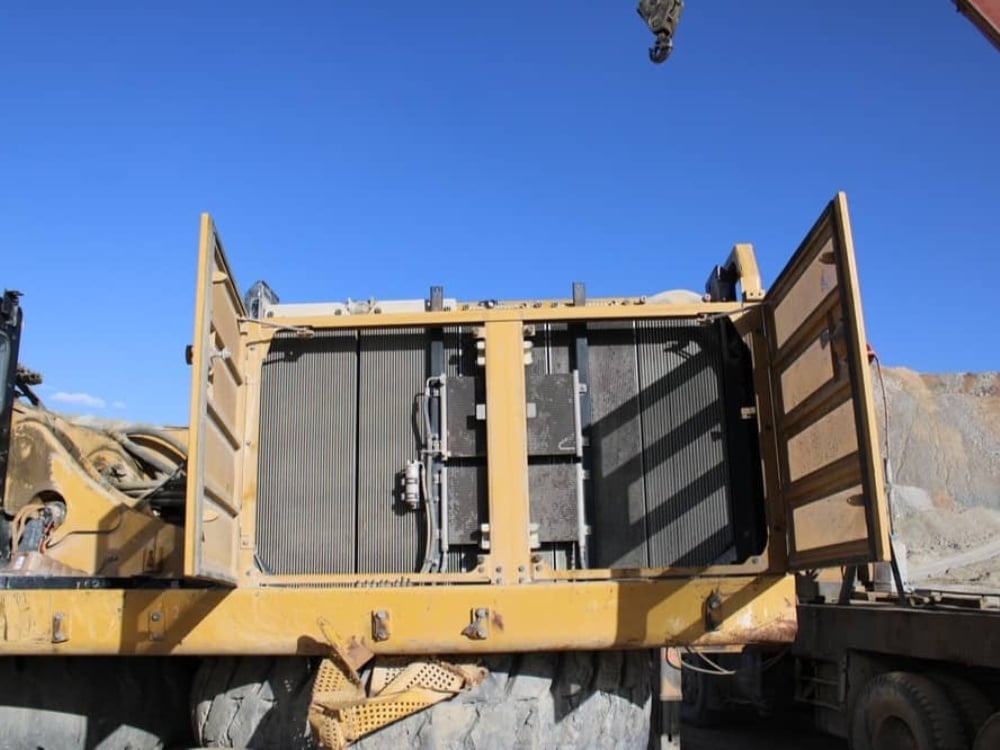
In landfill gas power generation projects, gas engines operate for extended periods in environments containing hydrogen sulfide, chlorides, and high humidity. The corrosion pressure on the cooling system is far greater than that of ordinary natural gas or diesel generator sets. Recently, we provided a targeted anti-corrosion upgrade solution for the dry cooler core to a gas engine customer's OEM service provider, successfully resolving the recurring radiator core corrosion failure problem in their landfill gas power plants.
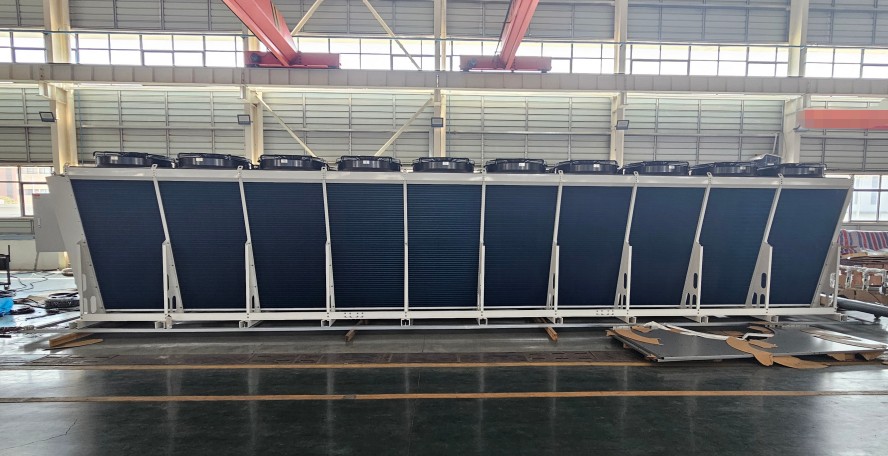
Problem Background: This customer operates multiple containerized gas generator sets deployed long-term at landfill gas project sites. After several years of operation in harsh corrosive environments, the original radiator cores showed significant corrosion at the junction of the copper tubes and aluminum fins, as well as on the fins themselves. This resulted in decreased heat dissipation efficiency and even leaks, leading to frequent cooling system failures and necessitating frequent radiator core replacements, resulting in high maintenance costs.
To address this issue, we offer the following customized solutions:
1. Core Material Upgrade: Copper Tube + AlMg2.5 Aluminum-Magnesium Alloy Fins. Compared to traditional pure aluminum fins, AlMg2.5 aluminum-magnesium alloy fins possess superior corrosion resistance and mechanical strength, effectively resisting the erosion of acidic gases and salt spray in landfill environments, significantly extending the core's service life.
2. Whole-Unit Nanoscale Anti-Corrosion Coating Treatment. The radiator core and overall structure are treated with a nanoscale anti-corrosion coating, forming a dense protective film that further isolates the metal surface from direct contact with corrosive media. The anti-corrosion level meets the requirements of extreme operating conditions such as high salt spray and high humidity.
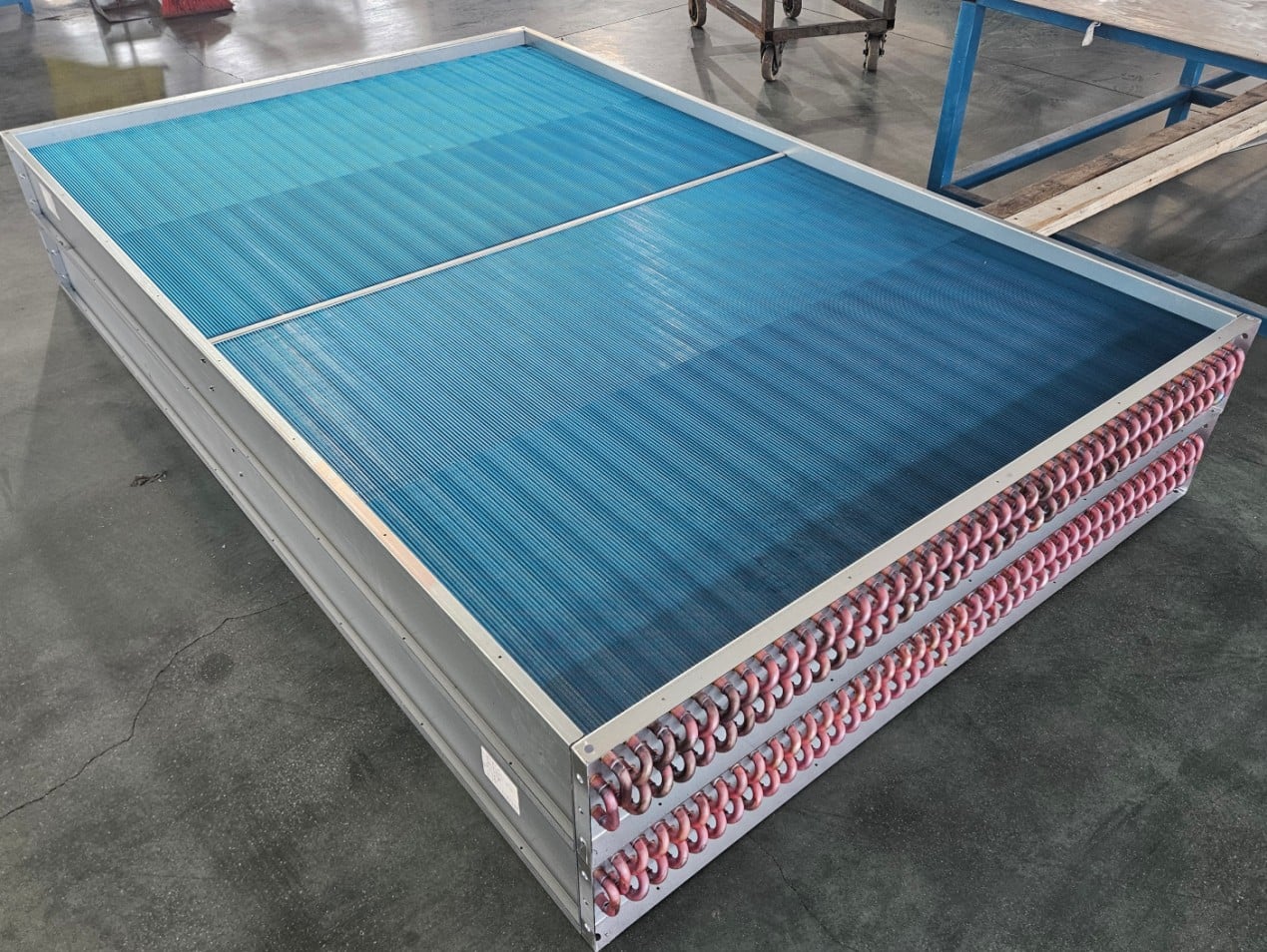
3. Fan Achieves C5-M Anti-Corrosion Standard. Considering the long-term exposure of the fan to corrosive atmospheric environments, the matching fan is simultaneously upgraded to the C5-M anti-corrosion standard, ensuring reliable operation of the motor and impeller in harsh environments and avoiding the risk of downtime due to fan corrosion.
4. High-Volume Variable Frequency Fan Design: Optimized fan selection for local high ambient temperatures (40℃), featuring a high-volume design and variable frequency adjustment. The fan speed automatically adjusts based on actual temperature, ensuring excellent heat dissipation while reducing energy consumption and enhancing the system's long-term stability and durability.
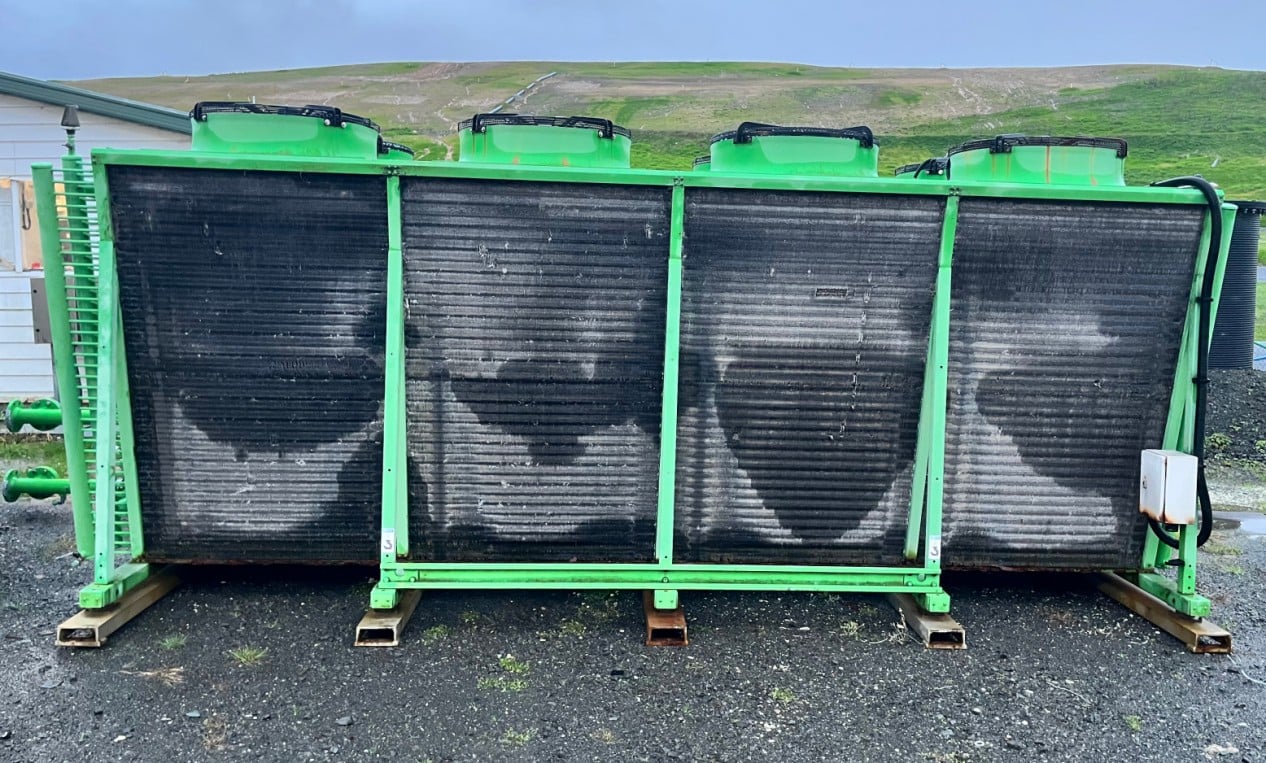
This solution is suitable not only for new dry cooler installations but also for the refurbishment of used engines and retired units. For businesses like ours that focus on the procurement, refurbishment, and remanufacturing of used gas turbine units from brands like Jenbacher, the radiator core is often a key replacement component during refurbishment. Our anti-corrosion solution significantly extends the overall lifespan and operational reliability of refurbished units, helping customers reduce later maintenance costs and enhance product competitiveness in the market.
For highly corrosive applications such as landfill gas and coalbed methane, the selection of materials and protection processes for the radiator core directly determines the unit's long-term stable operation. Leveraging our experience in copper tube aluminum-magnesium alloy fin technology and nano-anti-corrosion coating technology, we can provide customers worldwide in the fields of gas-fired power generation and emergency diesel power generation with comprehensive dry cooler solutions, from new unit installation to refurbishment of used units.
 Hot News
2026-09-17
2026-08-25
2026-08-20
2026-08-14
2026-08-12
2026-07-31
 EN
EN