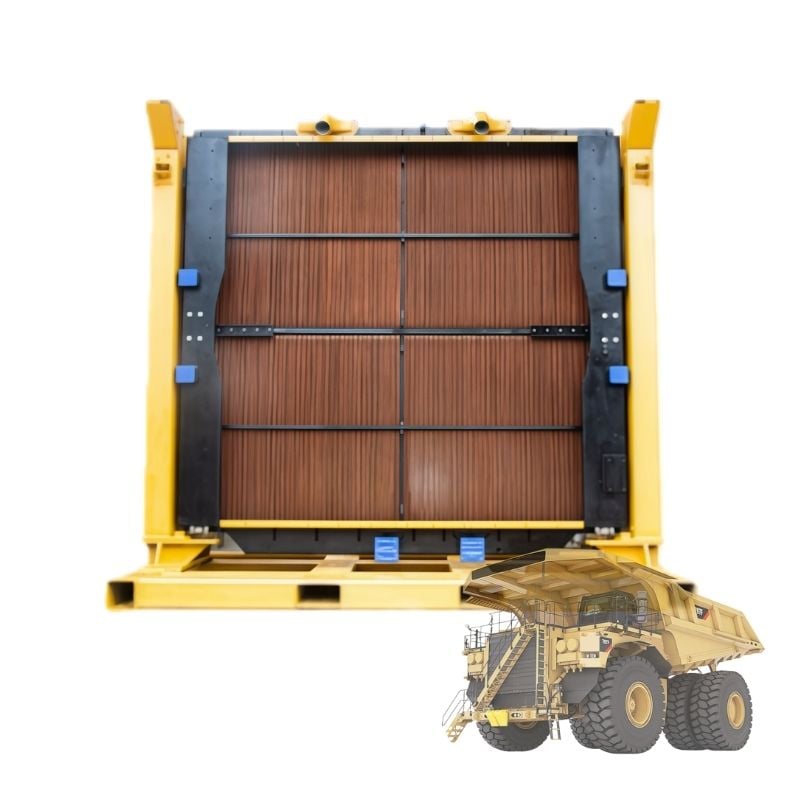
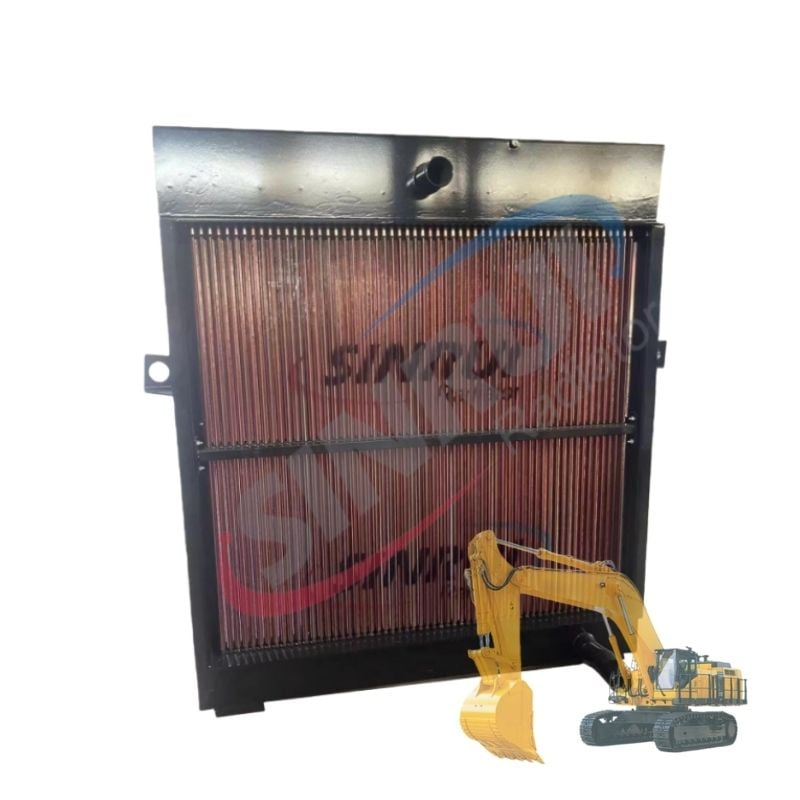
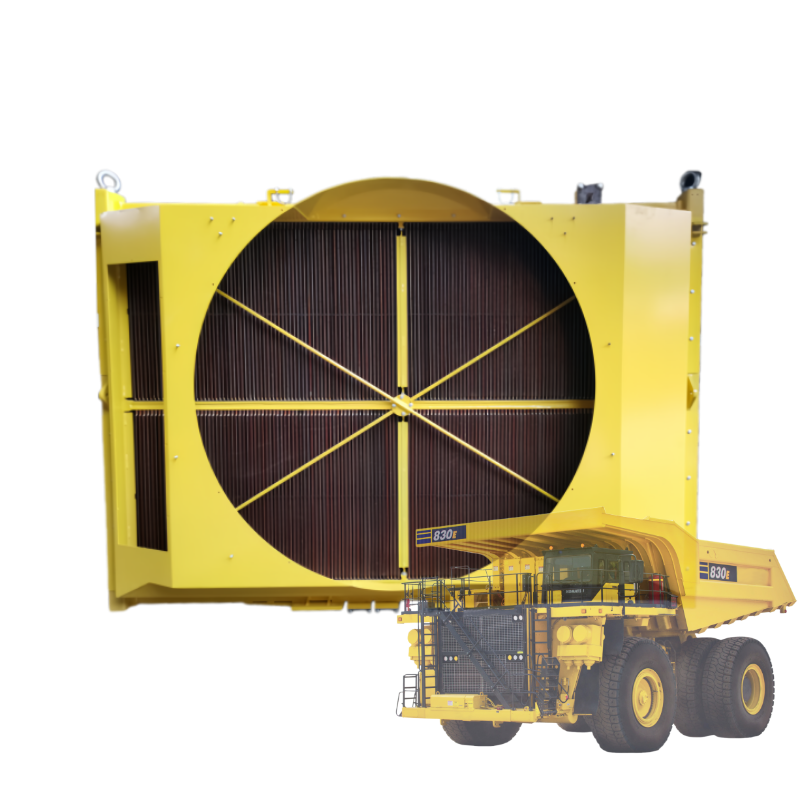
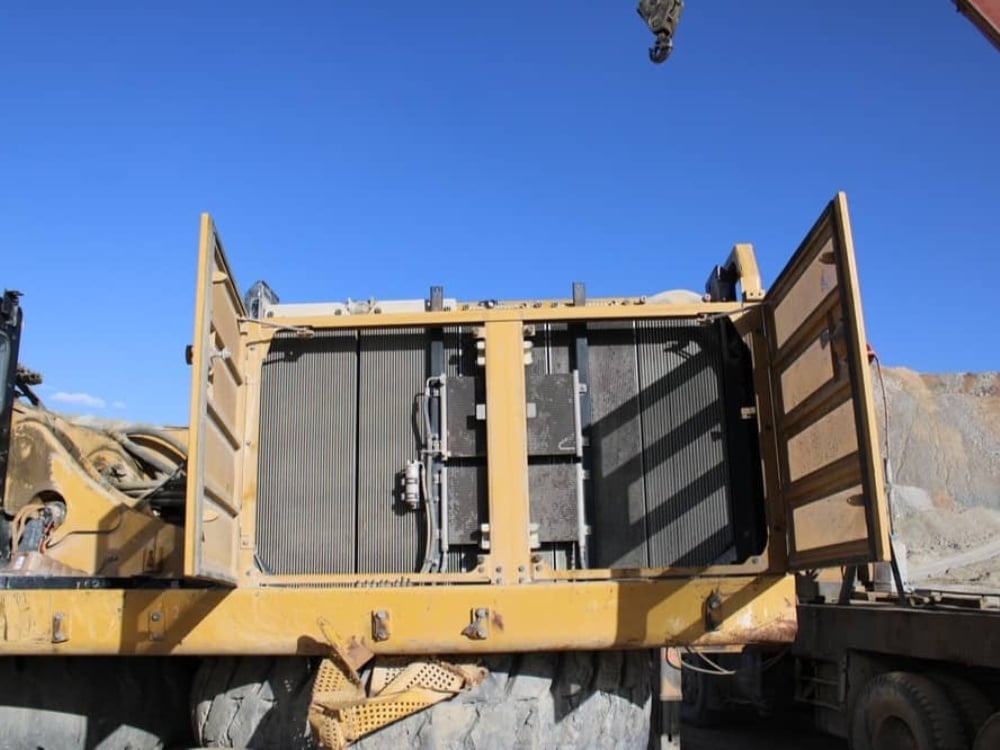
Industrial radiators are the critical heat-dissipation backbone for industrial machinery, automated production lines and heavy-duty cooling systems, directly determining equipment stability and overall production efficiency. Even a slight drop in heat exchange efficiency can trigger catastrophic overheating failures, unplanned downtime and costly premature replacements — risks that escalate sharply in harsh industrial environments filled with dust, oil mist and extreme temperature fluctuations. Standardized, consistent maintenance is far more than a routine task; it is a cost-effective strategy to lock in peak performance, extend service life and avoid unnecessary operational losses. This practical guide breaks down actionable, field-tested maintenance protocols for heavy-duty industrial radiators, helping maintenance teams and on-site operators implement effective care with minimal disruption to daily operations.
Daily Routine Maintenance: Stop Surface Buildup & Early Wear
Daily upkeep acts as the first line of defense against surface fouling, which can reduce heat dissipation efficiency by up to 40% in severe working conditions. Follow these steps every 7–15 days:
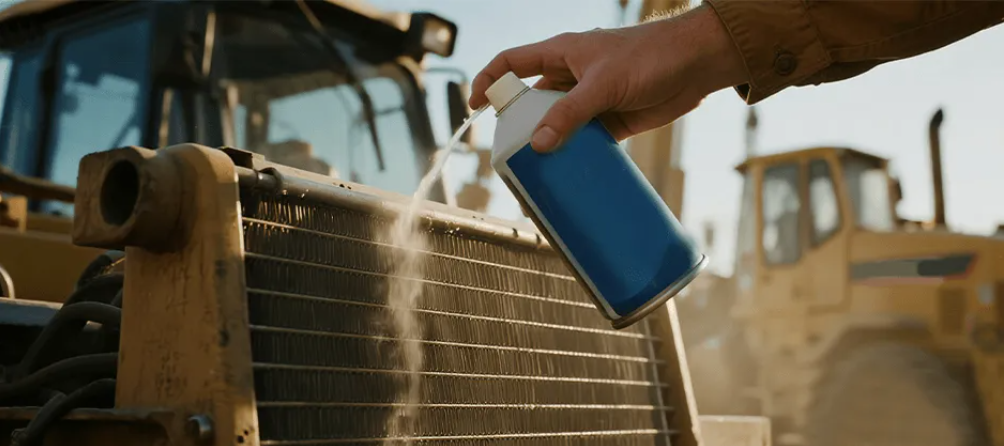
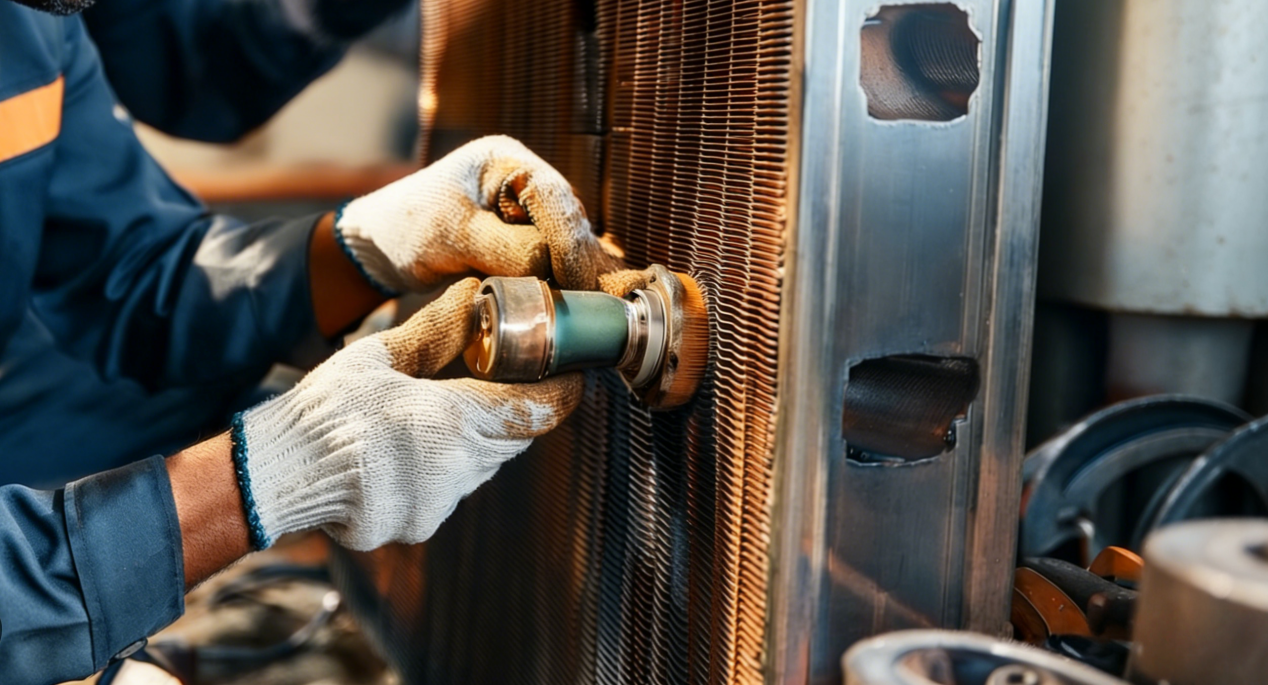
Gentle Surface Cleaning: Use a soft bristle brush or low-pressure air gun (≤0.4MPa) to remove loose dust, metal shavings and oil deposits; avoid high-pressure blasts that bend delicate radiator fins. For stubborn oily grime, use a neutral, non-corrosive cleaner mixed with warm water, and strictly avoid strong acids or alkalis that damage fins and weld joints.
Thorough Post-Cleaning Drying: Allow the radiator to dry completely before restarting equipment to prevent internal condensation and rust formation, which corrode core components over time.
Quick Visual Inspection: Check pipes, welds and connectors for leaks or micro-cracks; use a fin comb to straighten minor fin deformities; tighten mounting brackets to eliminate excessive vibration that causes fatigue damage and noise.
Periodic Deep Maintenance: Clear Internal Deposits & Restore Performance
Long-term operation leads to scale, rust and sediment buildup inside radiator channels, blocking fluid circulation and weakening heat transfer. Schedule deep maintenance every 6–24 months with these key steps:
Internal System Flushing: Drain old coolant or heat-transfer medium completely, circulate a neutral descaling solution for 2–3 hours to dissolve stubborn deposits, then rinse with clean water until runoff is crystal clear (repeat every 6–12 months for high-usage units).
Thermal Oil System Care: For oil-cooled radiators, filter or replace heat-transfer oil annually to prevent carbon buildup that clogs passages and ruins heat exchange efficiency.
Scheduled Component Replacement: Replace antifreeze/coolant every 12–24 months (match original equipment specifications); swap sealing gaskets yearly to prevent fluid leaks; clean or replace inline filters every 3 months to maintain unobstructed flow.
Special Environment Protection & Fault Troubleshooting
Harsh operating conditions and sudden failures require targeted protection and quick fixes to avoid irreversible radiator damage:
Winter Freeze Protection: Fully drain all medium and blow out residual liquid with compressed air before winter shutdown to prevent pipe cracking; for continuous winter operation, use antifreeze with a freezing point 10℃ lower than the local minimum temperature, and check concentration monthly.
Dusty/Corrosive Environment Care: Install a custom protective cover to block contaminants, and shorten external cleaning cycles to 3–5 days to sustain consistent heat dissipation.
Common Fault Resolution: Poor cooling performance typically stems from clogged fins or pipes, requiring thorough cleaning and filter replacement; fluid leaks usually call for worn gasket replacements, weld repairs or damaged pipe patching.
Professional Inspection: For large or high-precision radiators, schedule a full professional inspection every 24 months, including 1.2× working pressure testing and comprehensive corrosion assessments.
Proactive industrial radiator maintenance converts reactive emergency repairs into predictable, low-cost upkeep, cutting downtime and protecting long-term equipment investments. These small, consistent steps deliver outsized returns: boosted heat exchange efficiency, extended radiator lifespan and uninterrupted industrial production stability, making routine maintenance one of the most valuable practices for industrial operations teams.
 Hot News
 EN
EN