The mining industry is undergoing a structural shift. Electrification and autonomous operation are no longer roadmap items — they are active deployments at mines across Australia, Chile, and Central Asia. As haul trucks gain autonomy and electric drivetrains, one system is being stress-tested beyond its original design limits: the cooling system.
1. Continuous Operation Demands Continuous Performance
The central promise of autonomous mining is the elimination of shift changes, fatigue breaks, and physiological constraints. Trucks run longer cycles, accumulate more hours per year, and operate in conditions that leave no natural downtime for thermal recovery.
Traditional radiators were not designed for this. They were engineered around duty cycles that included rest periods — shift changes, operator breaks, maintenance windows. Under autonomous 24/7 operation, the thermal management system carries a sustained load it was never rated for.
The practical result: weld joint fatigue, gasket brittleness, and early failure. Field reports from open-pit operations suggest standard radiators can fail within 12 months under these conditions — directly erasing the productivity gains autonomy was meant to deliver.
2. Electric Drivetrains Raise the Thermal Specification
The shift from diesel to diesel-electric or fully electric drivetrains changes what cooling systems need to do — and how precisely they need to do it.
Power electronics, frequency converters, and high-power traction motors operate within tight thermal envelopes. Temperature drift that would be inconsequential for a diesel engine can cause control unit errors or accelerate component degradation. Coolant temperature stability is no longer a comfort parameter — it is a performance and reliability parameter.
There is also an electrical safety dimension that is easy to overlook: in enclosed, high-intensity operating environments, high-velocity cooling airflow can generate static charge. For equipment running autonomous driving systems, unmanaged electrostatic discharge is a signal integrity risk — and in some environments, a safety hazard.
3. Remote Mines Cannot Afford a Logistics Dependency
In remote open-pit operations — Pilbara, Atacama, Central Asian steppe — the cost of a cooling system failure is rarely just the cost of the part. It is transport to a repair facility, round-trip logistics, and lost production during an unplanned halt.
For mines pursuing lean, autonomous operations, a cooling design that requires factory-level repair is a structural inefficiency. The next generation of thermal management for unmanned fleets needs field-reparability built in from the start.
This Delivery: SINRUI 930SE Ultra-Large Radiator Module
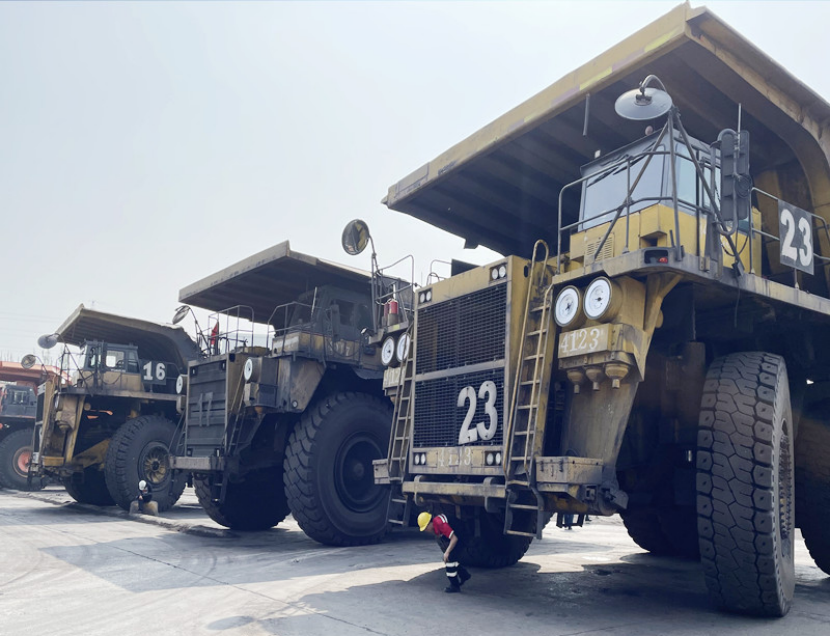
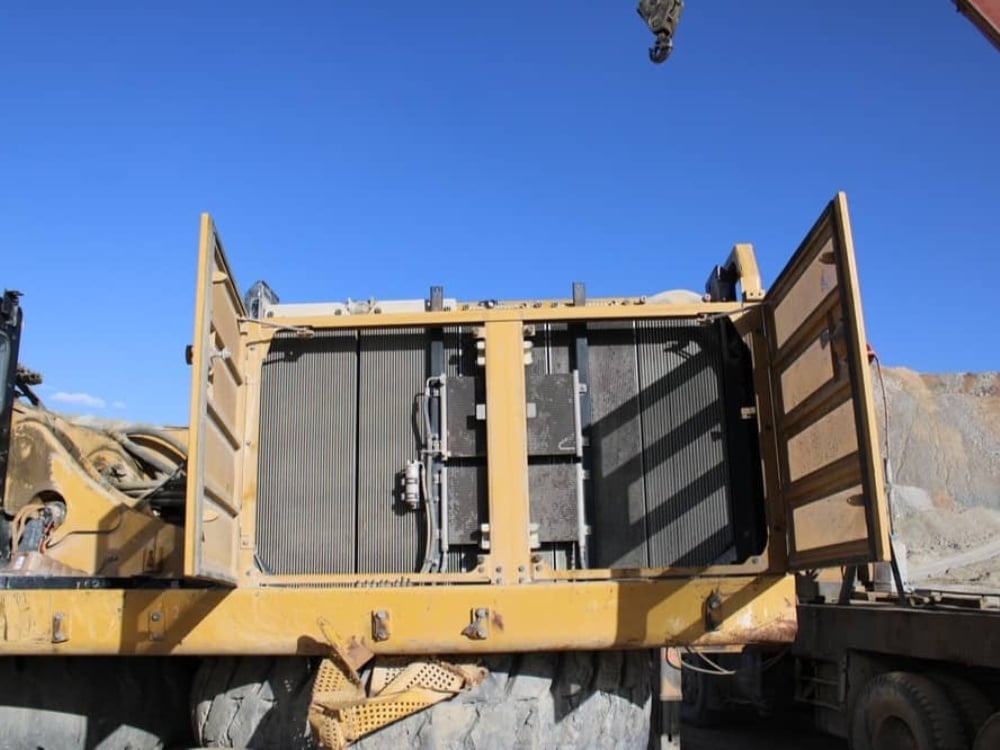
[Image: Automated Mining Customer Site]
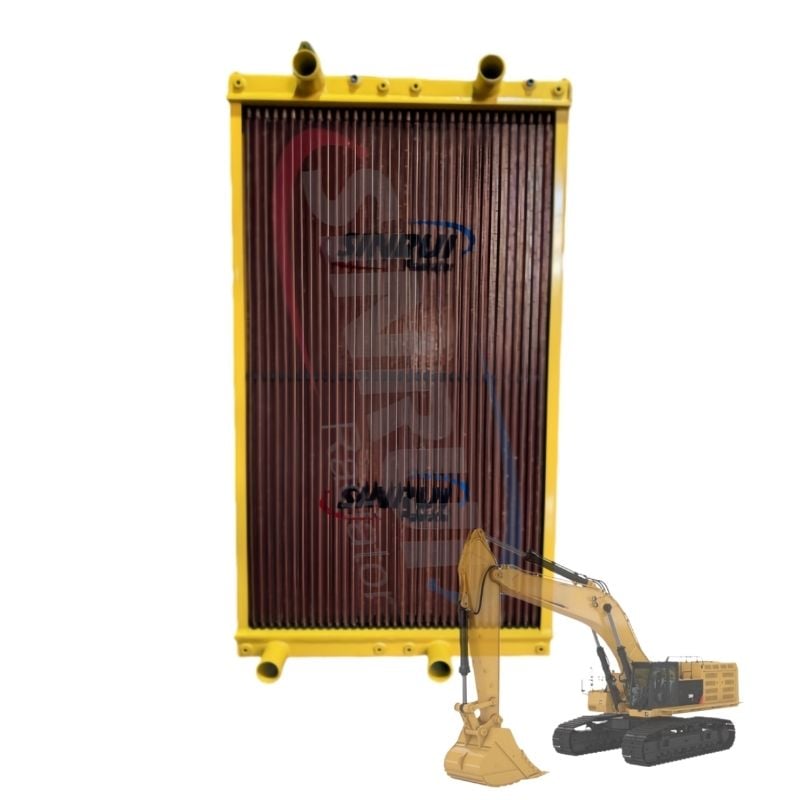
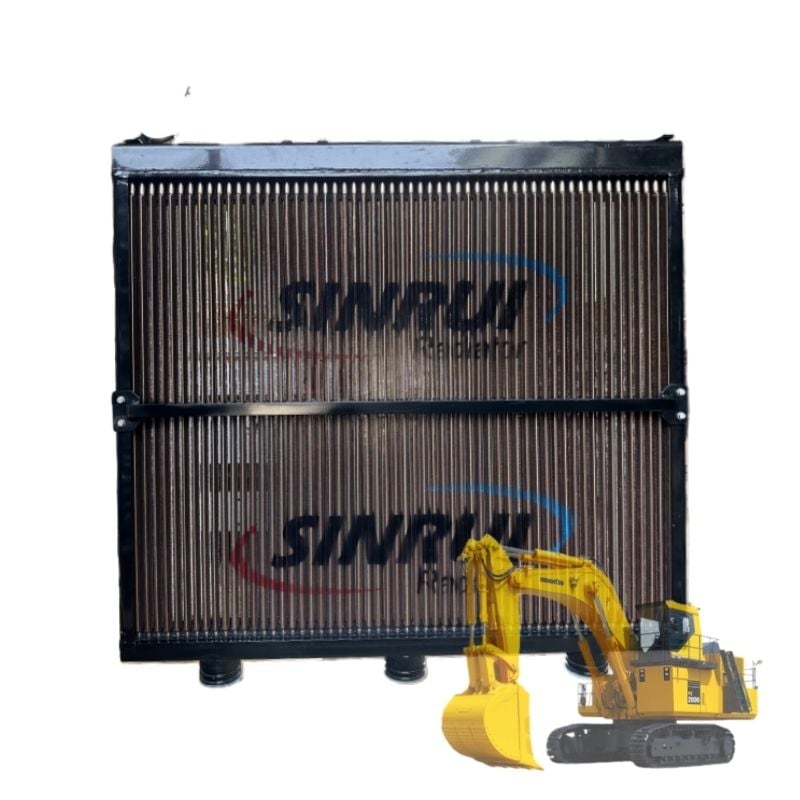
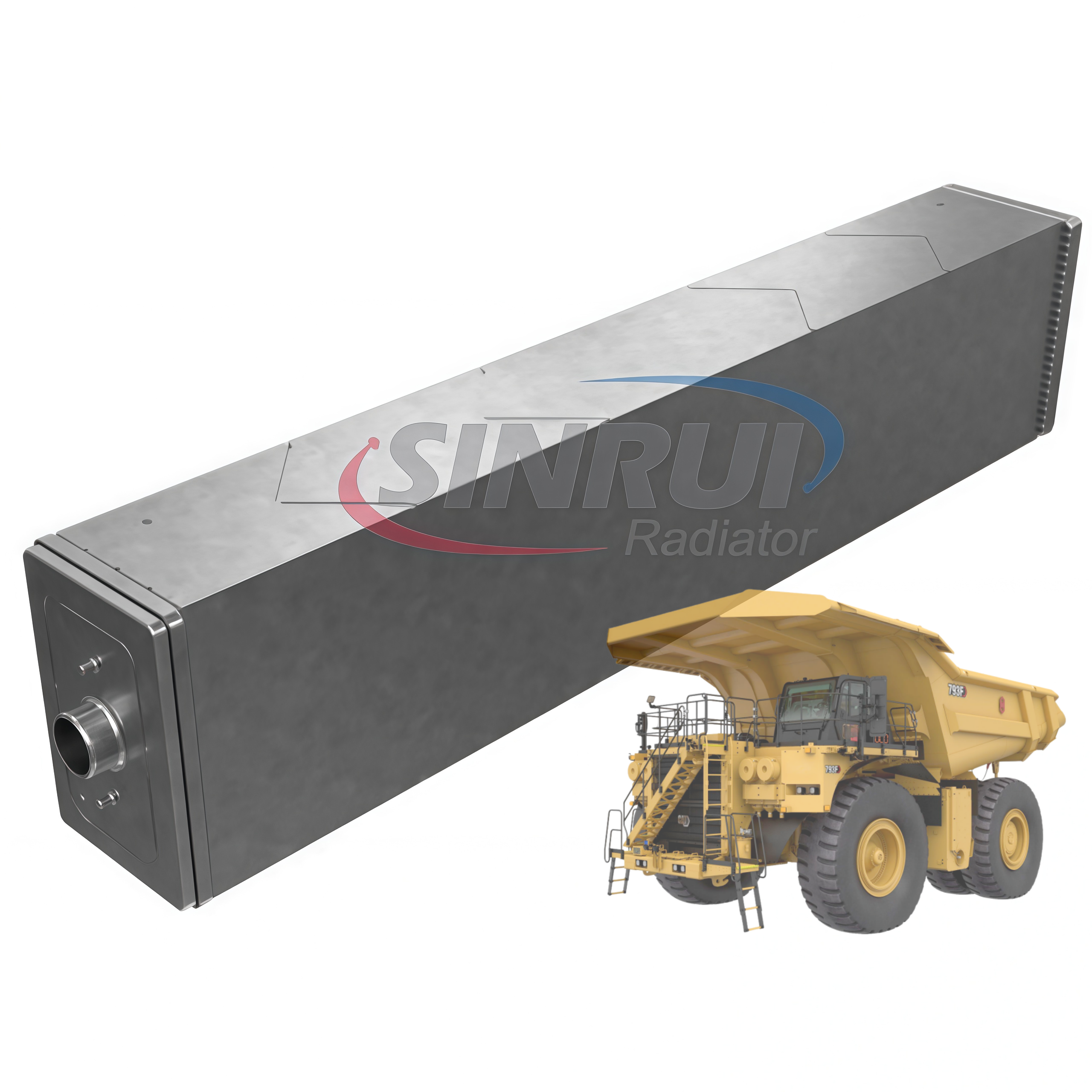
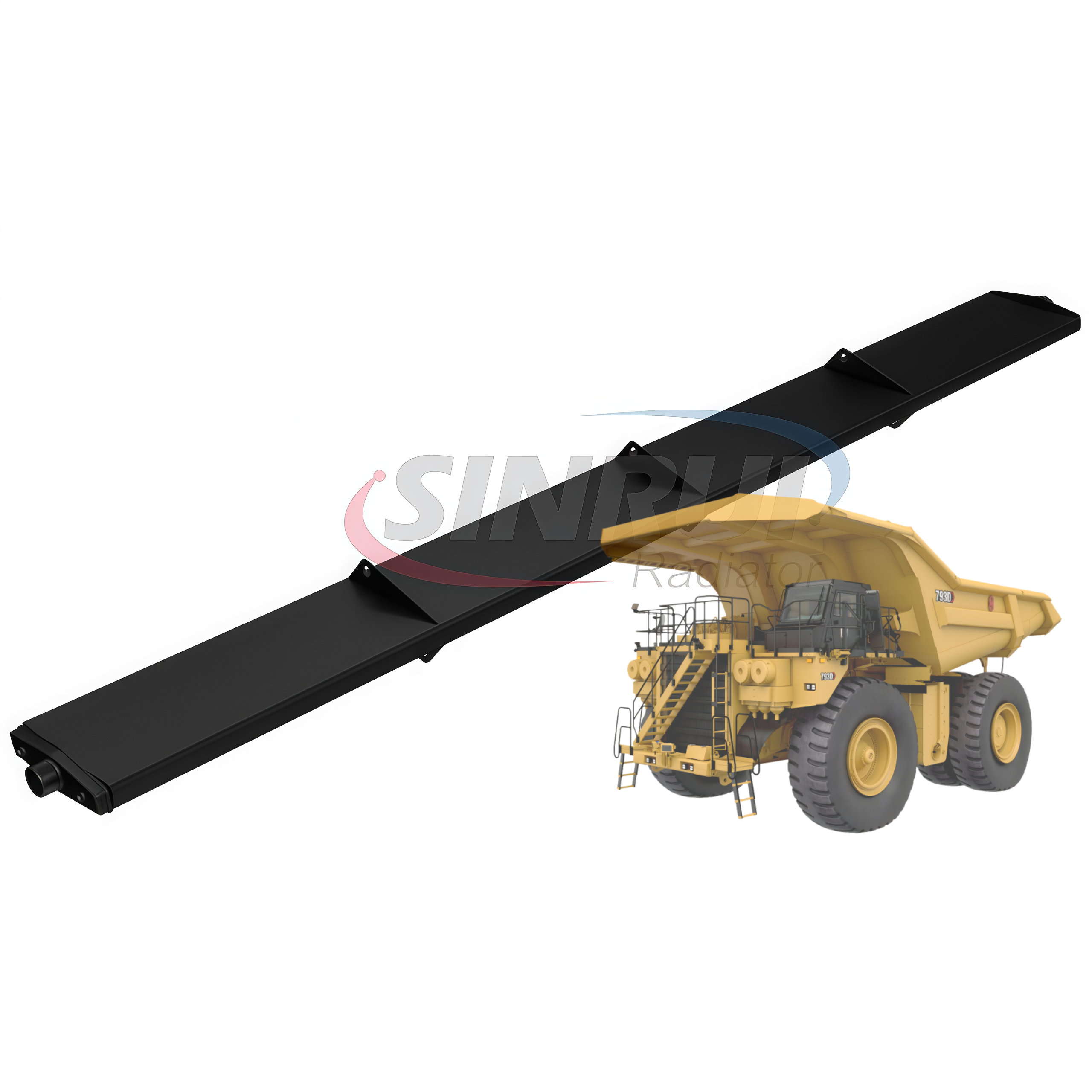
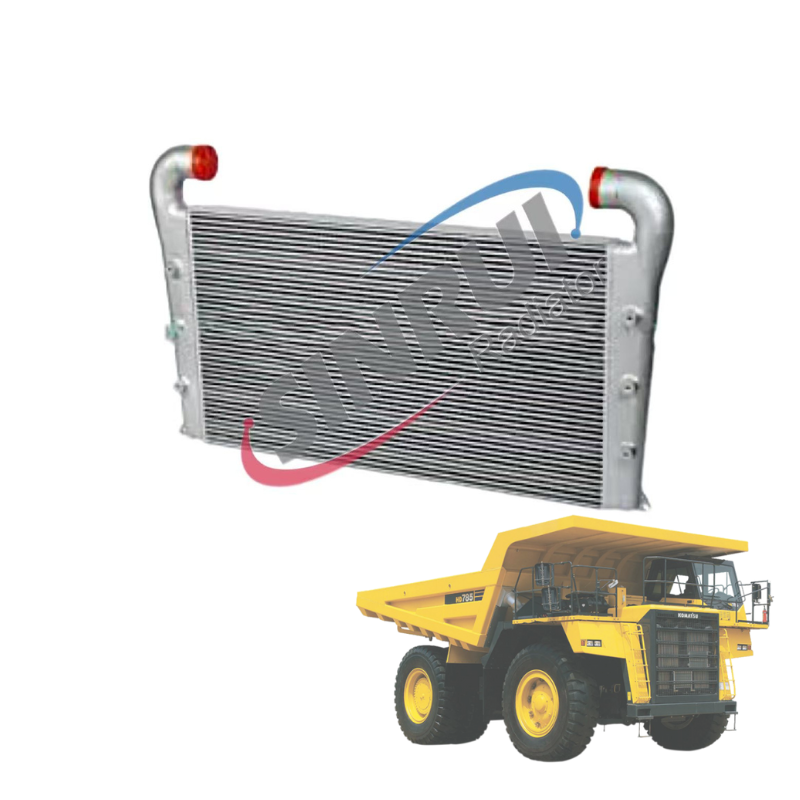
SINRUI recently completed delivery of four dedicated copper-tube radiator modules for the Komatsu 930SE — a haul truck rated at over 300 tonnes payload capacity, where the cooling system footprint and complexity are correspondingly large. The modules use SINRUI's Mesabi-style independent copper-tube architecture, designed around the three operating realities described above.
Sustained Load Endurance
The 930SE cooling module was optimized for the heavy-load, high-dust, variable-temperature environment of open-pit mining. High-specification thermally conductive copper tubes and a reinforced sealing structure address the gasket failure and fin corrosion modes that are common failure points in standard radiator designs under extended operation.
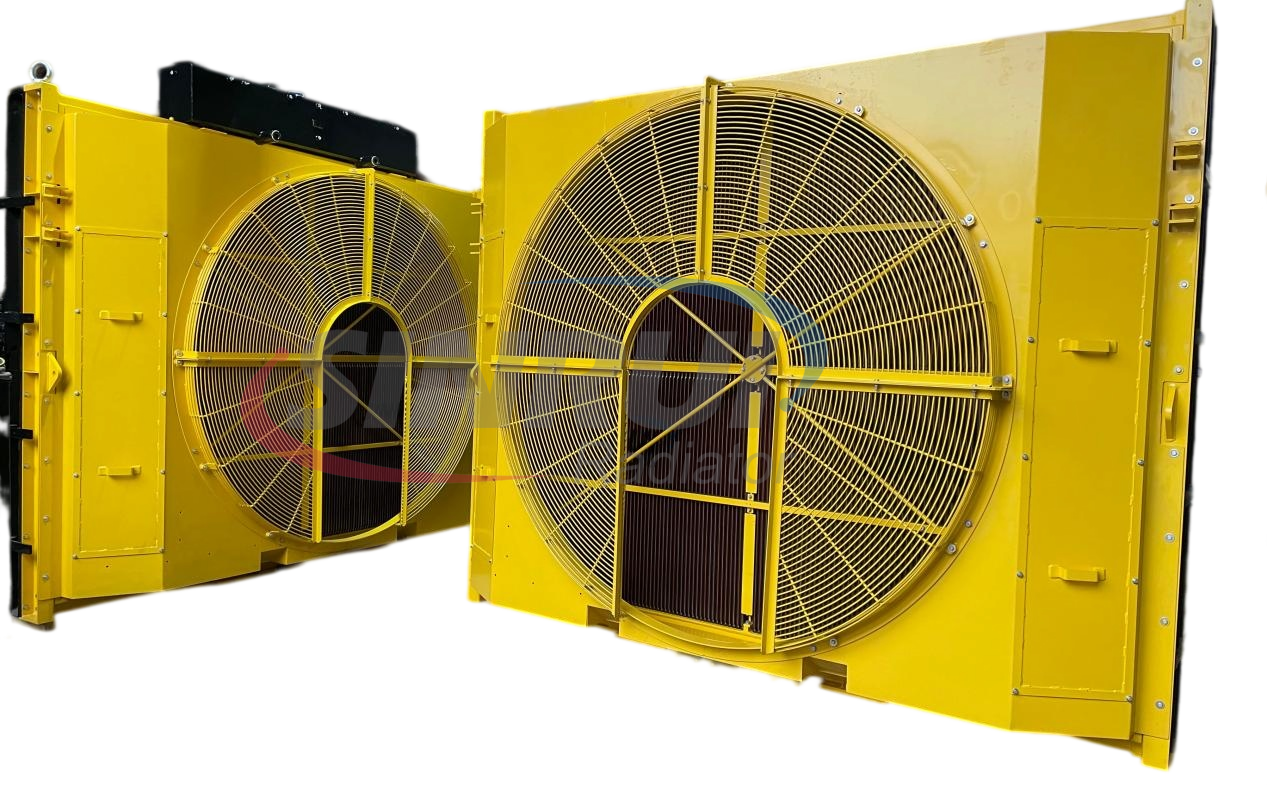
[Image: SINRUI Radiator for Komatsu 930SE]
Electrostatic Discharge Protection
The module incorporates strengthened ESD design throughout, providing safety redundancy for autonomous 24/7 operation. The cooling system must not introduce interference into the electric drive chain — this is a non-negotiable requirement for unmanned fleet reliability.
Single-Pipe Field Repair
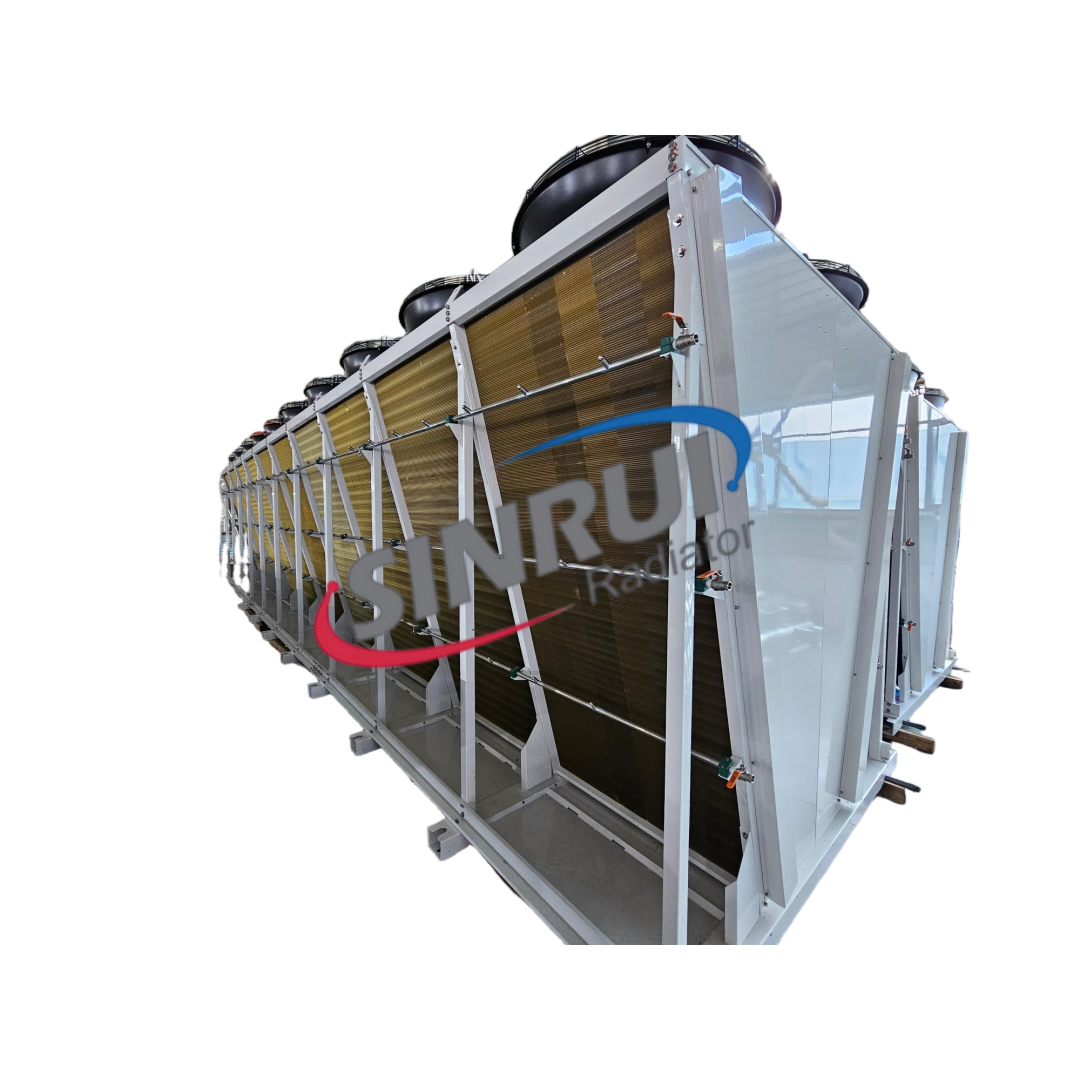
The most operationally significant design feature: field personnel can replace individual tubes on-site using standard tools, without returning the unit to a repair facility. This eliminates the cross-regional logistics dependency that makes conventional radiator failures so costly in remote mining environments — no factory return, no production interruption.
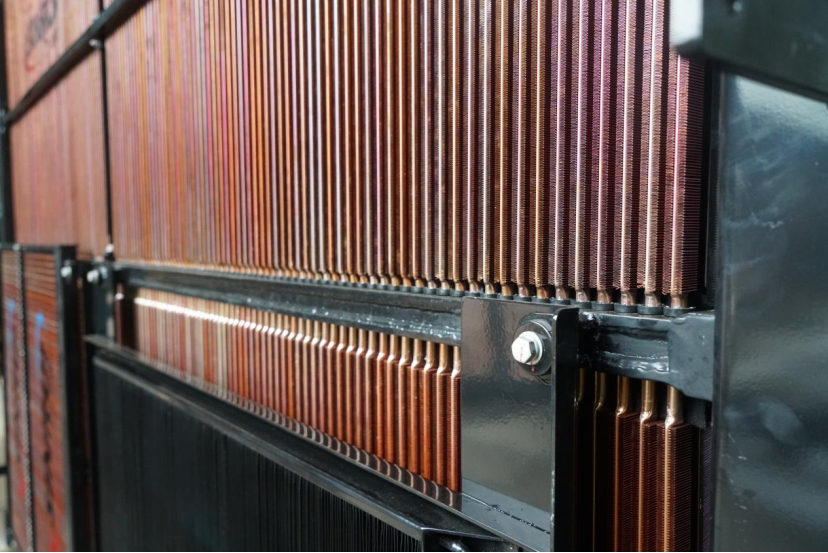
[Image: SINRUI Radiator Details — Copper Fin Tube]
SINRUI backs the 930SE module with a four-year warranty. For context, standard radiators under equivalent autonomous operating conditions typically require replacement within 12 months.
SINRUI — Thermal management engineered for heavy-duty mining, wherever you operate.
Enquiries: [email protected]
 Hot News
2026-09-17
2026-08-25
2026-08-20
2026-08-14
2026-08-12
2026-07-31
 EN
EN