The purchase price of a mining radiator is the easiest number to compare. It is also the least important.
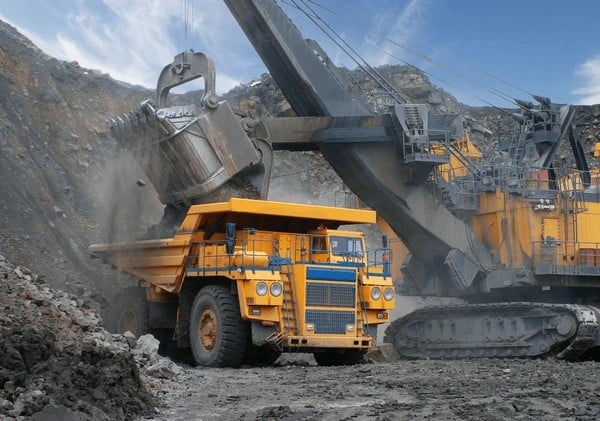
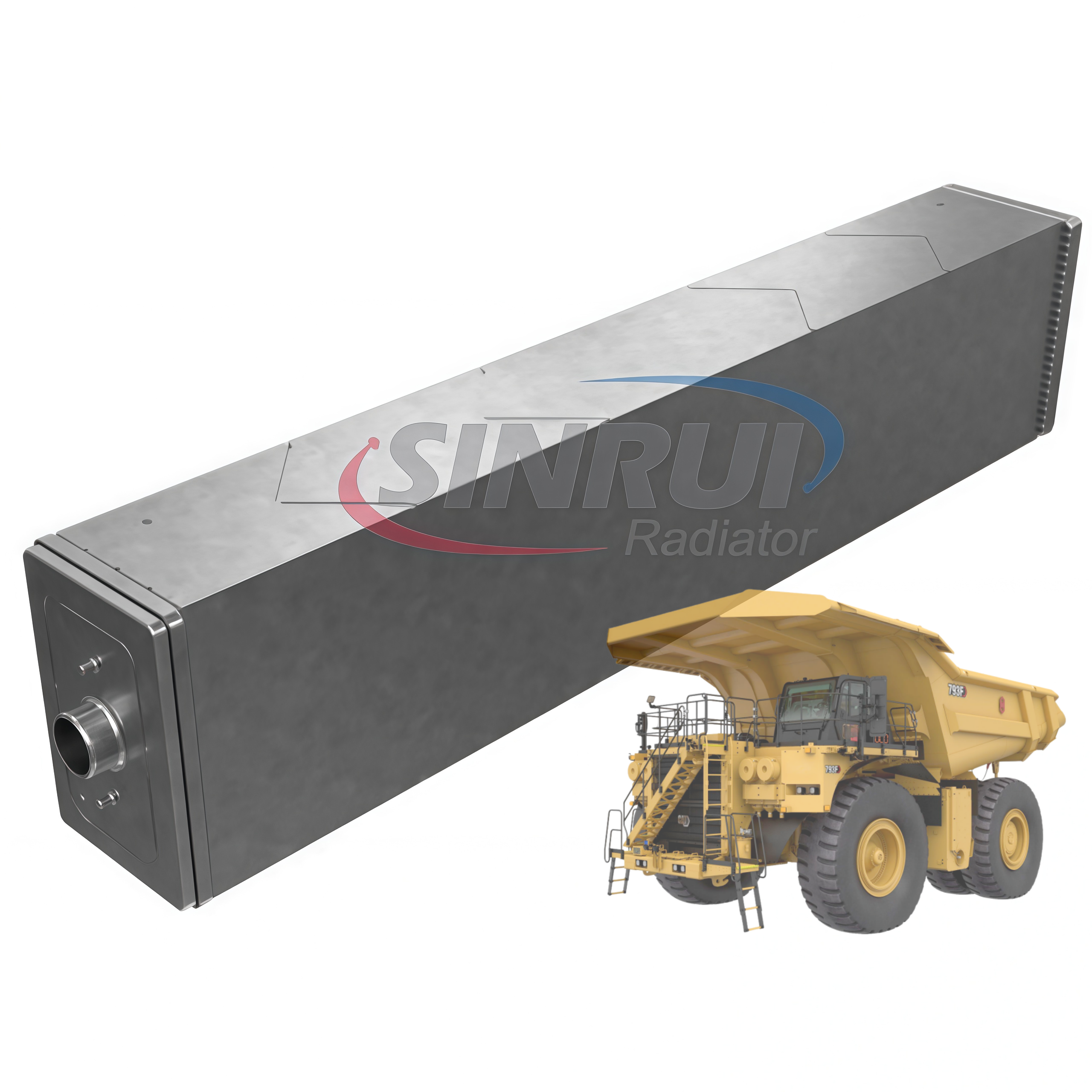
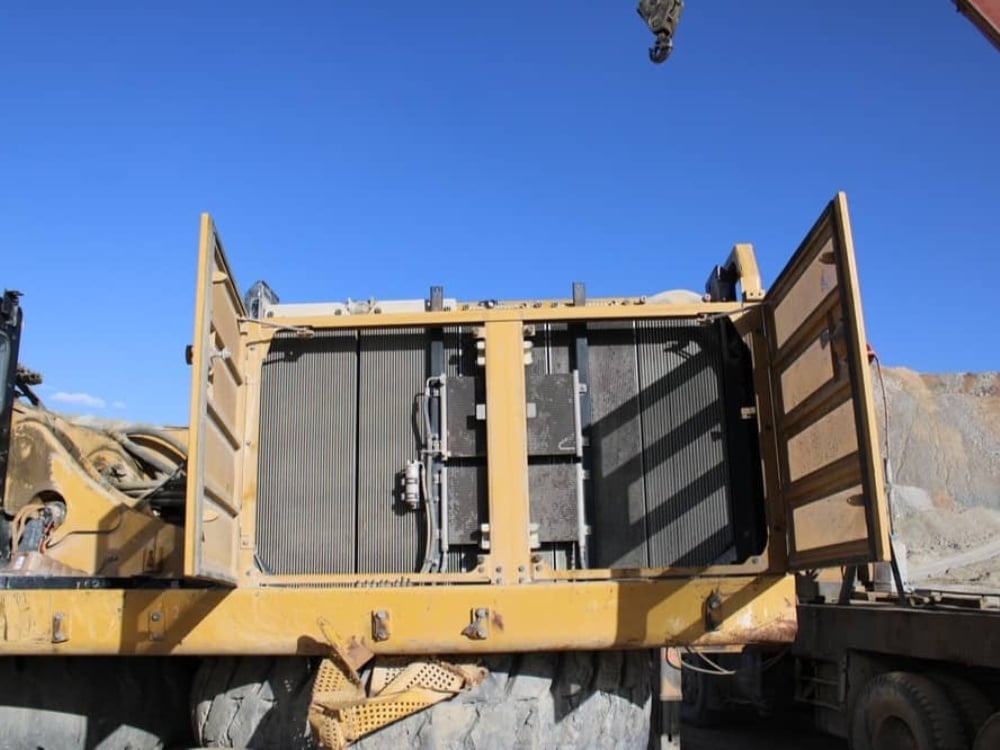
Heavy‑duty mining haul truck operating in open‑pit mine
In mining, equipment reliability determines productivity. A single haul truck out of rotation affects the entire haulage cycle — crusher throughput, shift targets, and the revenue attached to both.
When procurement teams evaluate replacement radiators, price is the first number on the comparison sheet. A supplier offering $500 less looks like an easy saving. The question is what that saving actually costs when the radiator fails six months into service.
This article works through the total cost of ownership argument — the specific failure mechanisms that make cheap radiators expensive, the real cost of downtime, and what to verify before placing an order.
A lower quotation is not automatically a lower‑quality product. But when a supplier reduces unit price by cutting corners on material selection, manufacturing process control, or quality verification, the savings appear immediately and the consequences appear later — after installation, after the warranty conversation becomes difficult, and after the machine has stopped.
The cost reduction levers that produce a lower quotation are predictable:
None of these trade‑offs are visible in the quotation. They are visible in the field, typically within the first year of service.
The key question is not "How much does the radiator cost?" It is: "How much will this radiator cost throughout its entire service life?"
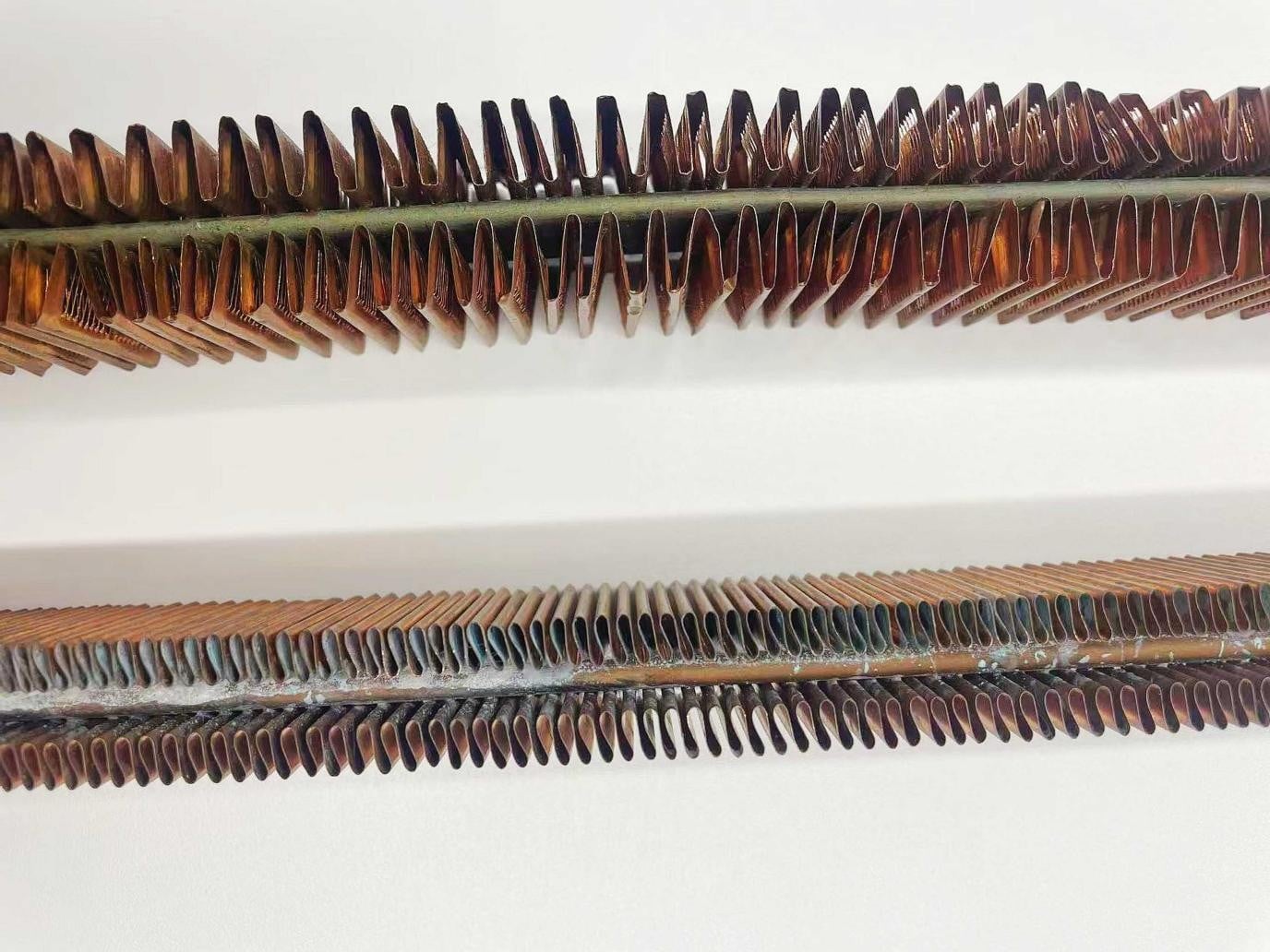
Cross‑section comparison of high‑quality vs. low‑quality radiator core showing fin density and tube wall thickness
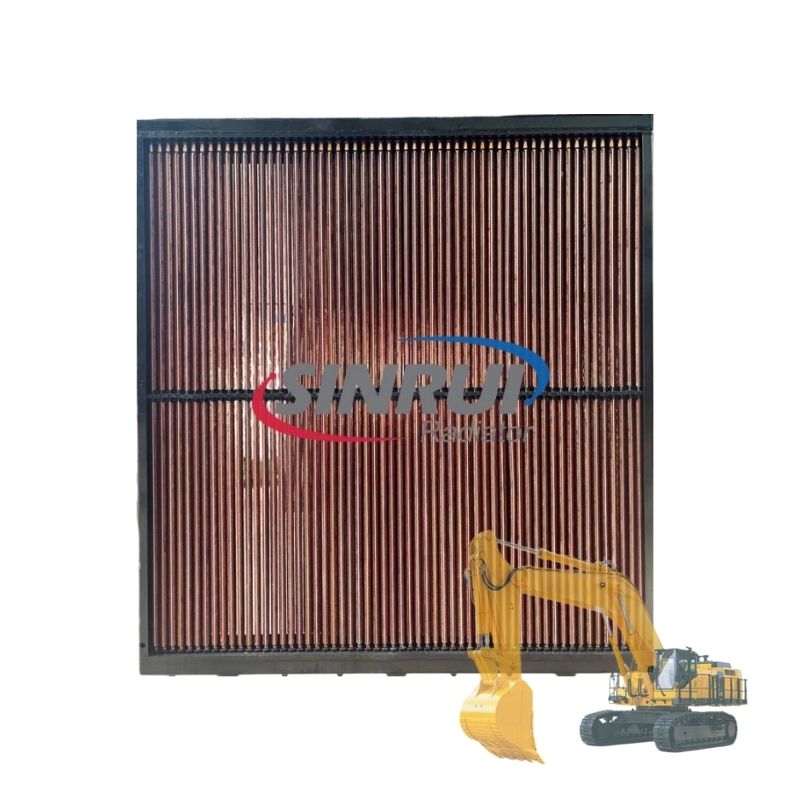
Two radiators can share identical external dimensions and still deliver very different thermal performance under actual operating conditions. The difference is internal — and it only becomes apparent when the engine is running at full load in 45°C ambient temperature with a full dust load on the fins.
Cooling performance is determined by a chain of interdependent factors:
A radiator that cannot dissipate sufficient heat at design conditions does not fail cleanly. It causes progressive engine temperature rise, reduced performance, protective shutdowns, and — if not caught — thermal damage to engine components.
For context on what long‑term copper tube performance looks like in a real mining environment:
→ Six Years in an Indonesian Open‑Pit Mine: Komatsu 930E Radiator Case Study [miningradiator.com/blog/komatsu-930e-indonesia-radiator]
Mining environments accelerate deterioration in ways that standard industrial applications do not. The combination of dust, moisture, vibration, chemical exposure from blasting residue, and continuous mechanical load creates conditions that expose every weakness in a radiator's construction.
Copper vs aluminium: the right choice depends on the application
Copper tube and fin radiators offer thermal conductivity exceeding 380 W/m·K and natural corrosion resistance in humid, acidic underground environments. Aluminium radiators offer lower weight and greater design flexibility in above‑ground applications. The correct material is determined by the operating environment, maintenance strategy, and repairability requirements — not by which option produces the lower quotation.
For removable tube designs specifically, copper is the preferred material because individual tubes can be replaced in the field without welding or specialist tools. An aluminium welded core does not offer this option.
→ Why Removable Tube Radiators Are the Smart Choice for Mining Equipment [miningradiator.com/blog/removable‑tube‑radiators‑mining‑equipment]
Manufacturing quality determines what the material actually delivers
Material selection creates the ceiling for performance. Manufacturing quality determines whether that ceiling is reached.
The variables that matter:
A lower quotation that reflects compromises in any of these areas will produce a shorter service life than the initial price difference would suggest.
The most common failure mode for low‑quality mining radiators is not catastrophic — it is progressive. A small leak develops, coolant level drops slowly, operating temperatures rise incrementally, and the problem is not identified until the machine has already been running in a degraded thermal state for days or weeks.
The structural reason cheap radiators leak under mining conditions is specific: vibration fatigue at rigid connection points.
Mining trucks generate sustained, high‑frequency vibration from the drivetrain, road surface, and — in some applications — the pump or ancillary equipment. A radiator with rigid welded tube‑to‑header connections transmits this vibration load directly to the weld interface. Over time, micro‑cracks initiate at stress concentrations and propagate until coolant loss begins.
Flexible seal designs — where individual tubes are held by FKM rubber seals rather than welded into the header — absorb this mechanical energy before it reaches a critical threshold. The seal acts as a vibration buffer. The trade‑off is that the seals themselves must be correctly specified and replaced during tube maintenance.
→ Just 1mm from Leaking: Why Reusing Old Seals Is a High‑Stakes Gamble [miningradiator.com/blog/reusing‑seals‑mining‑radiator]
For folded‑core radiators specifically, there is a second failure mechanism: irreversible dust clogging that progressively reduces airflow and thermal performance until the unit must be replaced entirely.
→ Why OEM Folded‑Core Radiators Fail So Quickly in Mining [miningradiator.com/blog/why‑oem‑folded‑core‑radiators‑fail]
Industry data puts unplanned haul truck downtime at $5,000 to $20,000 per hour for major mining platforms. A single cooling system failure that takes a machine out of service for 24 hours — a conservative estimate for a remote site waiting on a replacement part — produces losses in the following range:
| Cost item | Typical range | Note |
|---|---|---|
| Haul truck downtime | $5,000–$20,000/hour | Industry‑reported range for major mining platforms |
| Single incident duration | 8–48 hours | Depending on parts availability and site remoteness |
| Emergency freight | $2,000–$8,000 | Air freight for expedited part delivery |
| Labour and repair | $1,500–$5,000 | On‑site technician time |
| Lost production | Varies by operation | Highest cost item in most incidents |
| Total — one incident | $50,000+ | Conservative estimate for a 24‑hour stoppage |
The $500 saving on the radiator purchase is certain. The downtime exposure is variable — but in a high‑utilization operation, a single incident erases not just the saving but a multiple of it.
For a direct example of what a decade of zero cooling failures looks like in practice:
→ 10 Years, Zero Failures: CAT 793D Cooling Tube Case Study — Top‑10 Global Mine [miningradiator.com/case‑studies/cat‑793d‑cooling‑tubes‑top‑10‑global‑mine]
CAPEX is paid once. Downtime is paid every time the machine stops.
A quotation comparison that stops at unit price is incomplete. The following questions help evaluate the actual value of a radiator before the purchase order is placed:
For mining equipment operators and distributors, a radiator is not a commodity purchase. It is a component that directly determines cooling system reliability, maintenance scheduling, and equipment availability.
The variables that matter over a full service life — material grade, manufacturing consistency, repairability, warranty coverage, and technical support — do not appear on a standard quotation sheet. They appear in the field, over years of operation.
Sinrui designs and manufactures cooling systems for major haul truck platforms including Caterpillar, Komatsu, Liebherr, and Hitachi. Our removable copper tube radiators carry a 4‑year warranty and are designed for field repairability — individual tubes can be replaced on‑site without full unit removal.
We supplied over 400,000 removable seamless copper fin tubes to mining fleets worldwide. Field performance data from operations in Indonesia, Chile, the Netherlands, and other major mining regions is available on request.
In mining, the cheapest radiator is rarely the most economical choice. The most economical choice is the one that keeps the machine running.
📍 Meet Sinrui at bauma CHINA 2026
🗓️ November 24–27, 2026
📌 SNIEC, Shanghai
🏷️ Hall N1, Stand 561
Sinrui will be showcasing a full range of industrial cooling solutions, including:
If you are attending, we welcome the opportunity to discuss your fleet’s cooling requirements in person.
Follow Sinrui Radiator on LinkedIn for field case studies, technical guides, and mining cooling system insights.
 Hot News
2026-10-12
2026-09-28
2026-09-27
2026-09-23
2026-09-17
2026-08-25
 EN
EN