In today’s industrial landscape, uptime is everything. Whether supporting data centers, power generation, manufacturing plants, or oil & gas facilities, cooling systems are expected to operate continuously under demanding conditions. Even a short period of unexpected downtime can lead to production losses, equipment damage, and significant maintenance costs.
As industries embrace digital transformation, dry coolers are becoming smarter than ever before. By integrating Internet of Things (IoT) technology and remote monitoring, operators can move beyond traditional reactive maintenance and adopt a predictive approach that improves reliability, efficiency, and overall system performance.
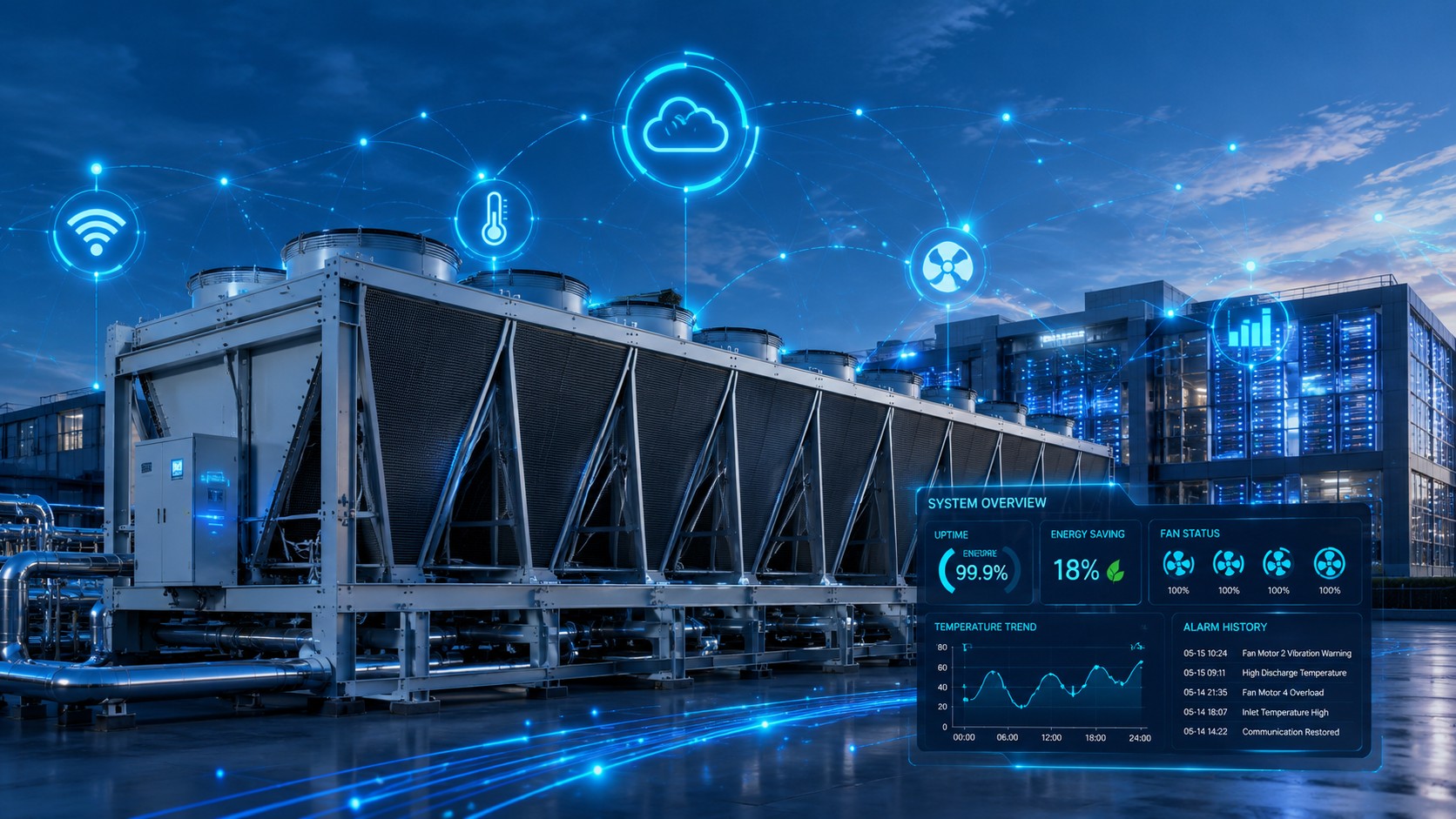
Conventional dry coolers are highly reliable, but their operating status often depends on periodic inspections or manual checks. Problems such as reduced airflow, fan failure, abnormal temperatures, or declining heat transfer performance may go unnoticed until they begin affecting the entire cooling process.
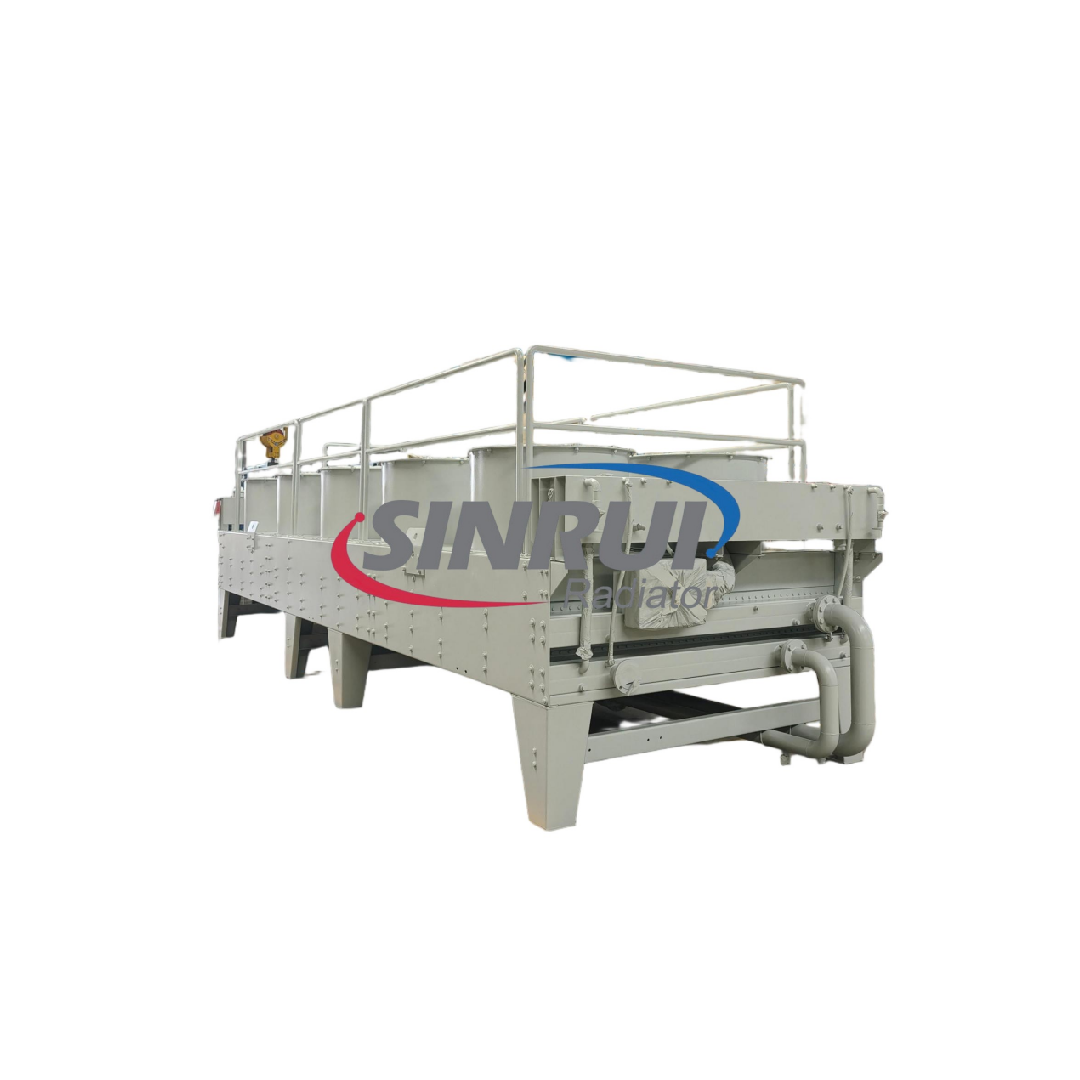
Smart dry coolers change this by continuously collecting operating data through integrated sensors. Key parameters such as inlet and outlet temperatures, ambient temperature, fan speed, motor current, vibration, pressure, and system alarms are monitored in real time.
Instead of waiting for failures to occur, operators gain immediate visibility into the health of the cooling system.
One of the greatest advantages of IoT-enabled monitoring is predictive maintenance.
By analyzing historical and real-time operating data, maintenance teams can identify trends that indicate potential issues before they become serious failures. For example:
Rather than responding to unexpected breakdowns, maintenance can be scheduled during planned shutdowns, reducing both repair costs and operational disruptions.
Unexpected equipment failures rarely happen without warning. The challenge is recognizing the warning signs early enough.
Smart monitoring systems can automatically send alerts whenever operating conditions exceed predefined limits. Notifications can be delivered through cloud platforms, mobile applications, email, or SMS, allowing maintenance personnel to respond immediately—even when they are off-site.
This rapid response helps prevent minor issues from developing into costly system failures.
Many companies operate cooling systems at multiple facilities or in remote locations where routine inspections are both time-consuming and expensive.
Cloud-based monitoring enables engineers to oversee every connected dry cooler from a centralized dashboard. Performance trends, alarm history, operating hours, and energy consumption can all be reviewed without visiting the site.
This level of visibility simplifies maintenance planning, reduces travel costs, and improves resource allocation across multiple facilities.
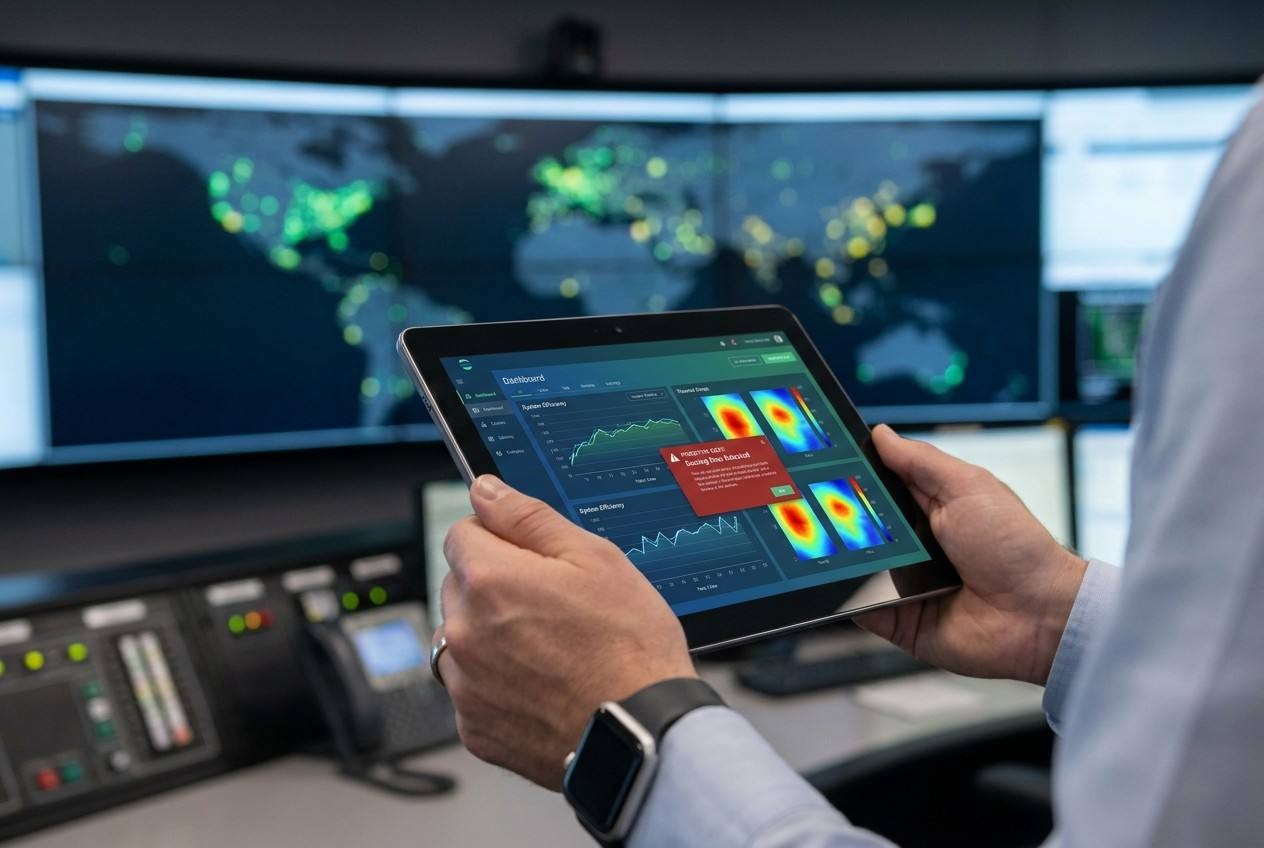
Energy consumption is a growing concern for industrial operators. Fans often represent the largest energy load within a dry cooler.
With IoT data, variable-speed fans can automatically adjust according to actual cooling demand rather than operating at full capacity all the time. Intelligent control algorithms optimize airflow based on ambient temperature and process requirements, reducing unnecessary power consumption while maintaining stable cooling performance.
The result is lower operating costs and improved overall system efficiency.
Beyond daily operation, historical performance data provides valuable insights for long-term asset management.
Operators can evaluate seasonal performance, compare equipment efficiency across different locations, identify recurring maintenance issues, and make informed decisions regarding upgrades or component replacement.
Instead of relying on assumptions, every maintenance and investment decision can be supported by real operating data.
As Industry 4.0 continues to reshape industrial operations, intelligent monitoring is becoming a standard expectation rather than a premium feature.
Smart dry coolers equipped with IoT connectivity help reduce downtime, improve maintenance efficiency, lower operating costs, and maximize equipment reliability throughout their service life.
For industries where every hour of operation matters, investing in intelligent cooling technology is not simply about monitoring equipment—it’s about protecting productivity, improving sustainability, and ensuring long-term operational success.
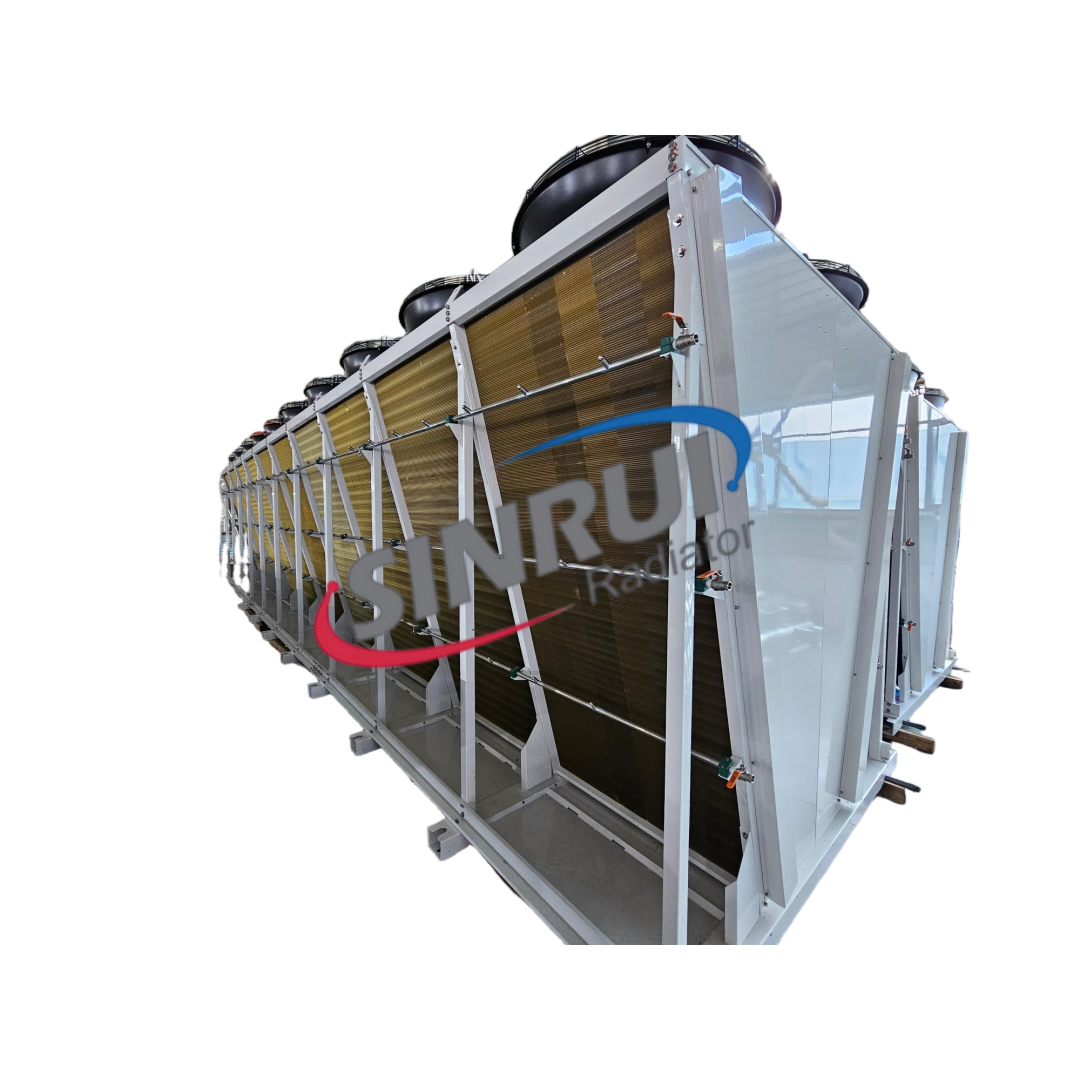
Looking for a dry cooler engineered for industrial reliability? Explore SINRUI's dry cooler range, or read our Dry Cooler Selection Guide to find the right configuration for your application.
Reliable cooling is no longer just about heat exchange. It’s about having the right data at the right time to keep your business running.
 Hot News
2026-09-28
2026-09-27
2026-09-23
2026-09-17
2026-08-25
2026-08-20
 EN
EN