 EN
EN
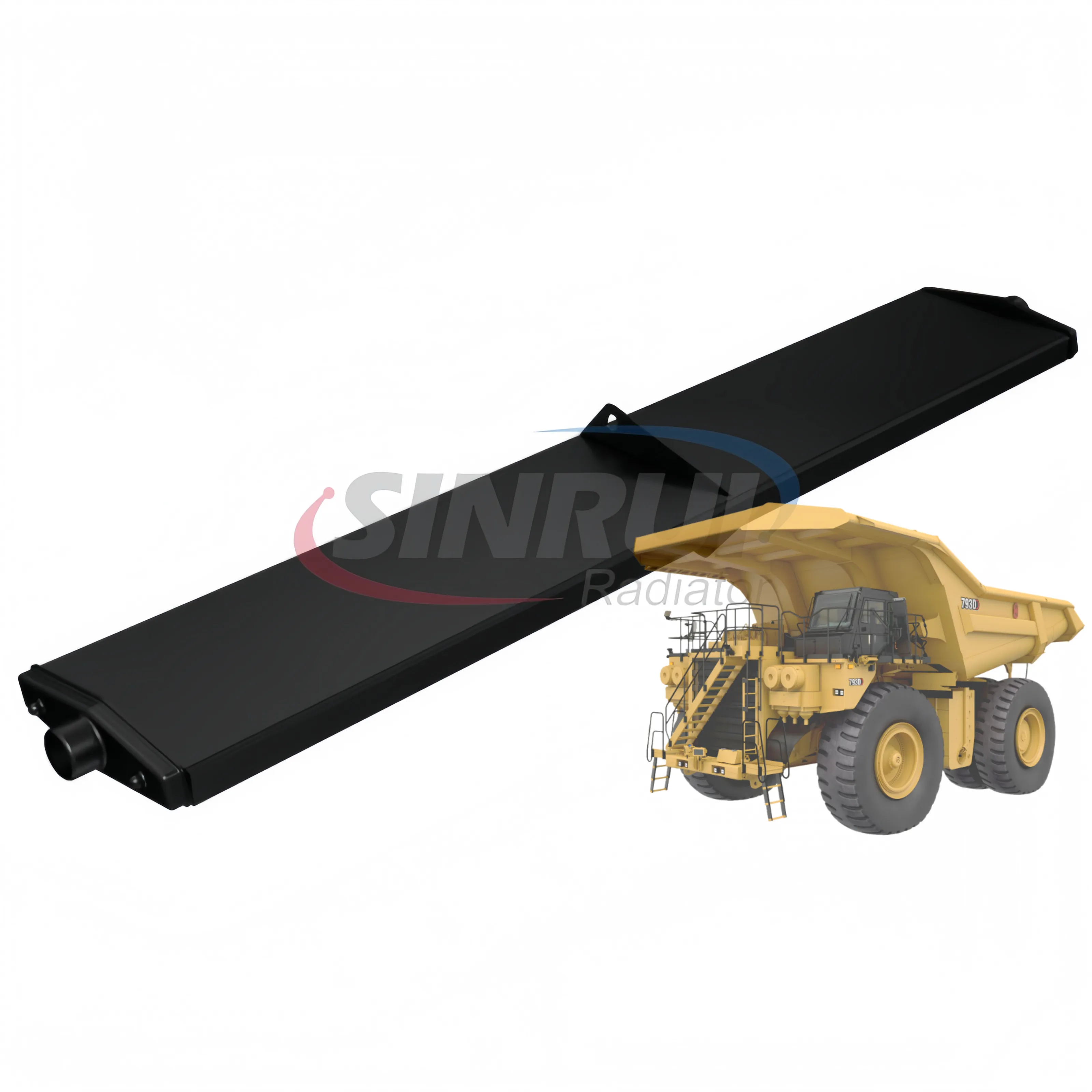
Why Mining Radiator Systems Face Unique Thermal and Environmental Stressors
The mining radiators face conditions that most regular industrial cooling systems just don't see. Temperatures go wild too - think minus 40 degrees Celsius in those icy mine shafts all the way up to plus 55 in desert operations. And this happens day after day, nonstop, with machines running flat out. The engine compartments get so hot they often hit over 125 degrees Celsius inside. All this constant heat takes a real toll on things. According to some research published last year, these harsh conditions lead to about 38 percent more tiny cracks forming in the radiator core tubes than what's seen in typical construction gear. Makes sense when you consider how much punishment these systems endure.
Ambient Extremes and Continuous Load Cycles Driving Thermal Stress
Nonstop operation creates severe thermal cycling: engines run at 95%+ load for 18-hour shifts, overwhelming conventional cooling capacities. At Grasberg's open-pit mine, radiator inlet temperatures exceed 110°C during peak operations. Field data confirms that every 0.5°C of sustained coolant over-temperature reduces engine life by 200 hours. Under these conditions:
- Radiator heat rejection demands are 2.1 times higher than in quarry applications
- Thermal shock failures account for 67% of premature core replacements
Dust, Debris, and Corrosion: Impacts on Heat Transfer and Core Longevity
Airborne silica rapidly fouls fins—just a 1 mm dust layer slashes heat transfer efficiency by 22%. Acidic mine atmospheres corrode aluminum cores three times faster than standard environments. Electrolytic corrosion pits tubes, while calcium-rich water deposits insulate internal surfaces. Combined, these forces cause:
- 15–30% airflow reduction within 250 operating hours
- 40% loss in thermal efficiency after 1,000 hours
Such degradation demands specialized materials—like heavy-gauge copper-brass cores—in the harshest mining environments.
Altitude Effects on Air Density and Radiator Derating in High-Elevation Mines
At Cerro de Pasco (4,380 m), air density drops 40%, derating fan performance and demanding design adaptations:
- 25–50% larger core surface areas
-
30% higher fin density to maintain equivalent cooling
Each 300 m above 1,500 m elevates coolant boiling point by 1°C, requiring pressurized systems to compensate for lower atmospheric pressure. Without proper radiator recalibration, high-altitude mines experience 28% more overheating incidents.
Designing Robust Mining Radiators for Space Constraints and Field Serviceability
Compact, Modular Radiator Packaging Amid Competing Cab and Powertrain Layouts
Getting the most out of space in open-pit mining machines requires radiators that can fit into tight spots with their compact, modular design. Cab comfort features and powertrain setups often fight over limited room on the chassis frame, so segmented radiator cores that handle engine cooling, hydraulic oil, and transmission circuits all at once cut down on overall size by around 25 to 40 percent compared to older models. This method works well with the SAE J2726 guidelines for how mining gear should be packaged, plus it allows better control of air flow when cores are positioned at angles without hurting how well they cool things down. Big name manufacturers run these tests using something called computational fluid dynamics or CFD modeling to check if radiators can actually reject enough heat in cramped conditions where machines operate non stop day after day.
Field-Repairable Features: Quick-Release Cores, Replaceable Tanks, and Dust-Resistant Seals
Field-repairable components significantly reduce downtime and total cost of ownership (TCO). Key innovations include:
- Quick-release tensioner systems enabling core replacement in under 90 minutes
- Bolt-on aluminum tanks eliminating brazing requirements during repairs
- Multi-labyrinth seals blocking 98% of airborne particulates ≤ 10 μm
These features directly address dominant failure modes—tube corrosion from high-sulfur dust and fin blockage from silica. Remote-asset operators report 57% lower maintenance costs when using radiators with serviceable designs, avoiding full assembly replacements for isolated damage.
Advanced Fan Drive and Thermal Control Strategies for Mining Radiator Efficiency
Hydraulic vs. Electric Fan Drives: Durability, Power Loss, and Maintenance Trade-offs
In the tough conditions of mining operations, hydraulic fan drives are still widely used because they can handle shocks pretty well and don't get clogged easily with dirt and dust around crushers or along haul roads where things get really messy. The downside though is that these systems run all the time, which actually wastes somewhere between 15% to maybe even 25% of engine power turning it into heat instead of useful work, making radiators work harder than necessary. Electric fans paired with variable frequency drives offer a better solution since they only pull power when absolutely needed, saving roughly 30% to almost half the energy compared to traditional methods according to recent studies from Ponemon back in 2023. While electric setups do need bearings checked more often in areas with lots of vibration, most top brands have started including sealed parts that make replacing cores much quicker now. Some models allow technicians to swap out components within about 45 minutes without having to drain any coolant first, which saves both time and money during maintenance periods.
Smart Thermal Management: Adaptive Fan Speed Control Using Real-Time Load and Ambient Data
Mining radiators today come equipped with IoT sensors that keep track of coolant temps, engine workload, and what's going on around them in the environment. These sensors let the system tweak fan speeds as needed. The result? Better cooling control stops engines from overheating when trucks go downhill, while cranking up airflow when climbing hills. This cuts down wasted fan running time by roughly two thirds according to field tests. With all this real time data flowing in, smart algorithms can actually predict when dust buildup might clog things up before it happens, so pressure washing gets scheduled ahead of time instead of waiting for problems. The whole setup takes stress off bearings because everything runs at just the right speed most of the time. Mines in Chile report service intervals stretching well beyond 400 extra hours since switching to these adaptive radiator systems.
Maximizing Mining Radiator Lifespan and Reducing Total Cost of Ownership
Radiator failures account for up to 22% of unplanned haul truck downtime in surface mines—costing over $740,000 annually in lost production per vehicle (Ponemon, 2023). Three evidence-based principles drive reliability:
- Scheduled core flushing every 500–1,000 hours, preventing particulate buildup that reduces thermal efficiency by up to 40%
- Corrosion-inhibiting coatings on fins and tanks, mitigating chemical degradation from acidic mine atmospheres
- Thermal management calibration to site-specific altitude and load profiles, eliminating chronic undercooling or overheating cycles
Mines adopting these protocols report 35% longer radiator lifespans and 18% lower cooling-related maintenance costs versus reactive approaches.
FAQs
What causes thermal stress in mining radiators?
Thermal stress in mining radiators is mainly caused by nonstop operation and ambient extremes, which push engines to run at over 95% load for extended periods.
How does dust affect the efficiency of mining radiators?
Dust, particularly airborne silica, rapidly fouls radiator fins, significantly reducing heat transfer efficiency. A 1 mm dust layer can reduce efficiency by 22%.
Why are electric fans preferred over hydraulic fans in mining?
Electric fans are preferred because they offer better energy efficiency, reducing power wastage by 30 to 50% as they only operate when needed, unlike hydraulic fans which run continuously.
How can mining radiator lifespan be maximized?
You can maximize mining radiator lifespan by regular core flushing, using corrosion-inhibiting coatings, and calibrating thermal management systems to site-specific conditions.
Table of Contents
- Why Mining Radiator Systems Face Unique Thermal and Environmental Stressors
- Designing Robust Mining Radiators for Space Constraints and Field Serviceability
- Advanced Fan Drive and Thermal Control Strategies for Mining Radiator Efficiency
- Maximizing Mining Radiator Lifespan and Reducing Total Cost of Ownership
- FAQs