 EN
EN
Why Mining Radiator Performance Is Critical in Confined Underground Environments
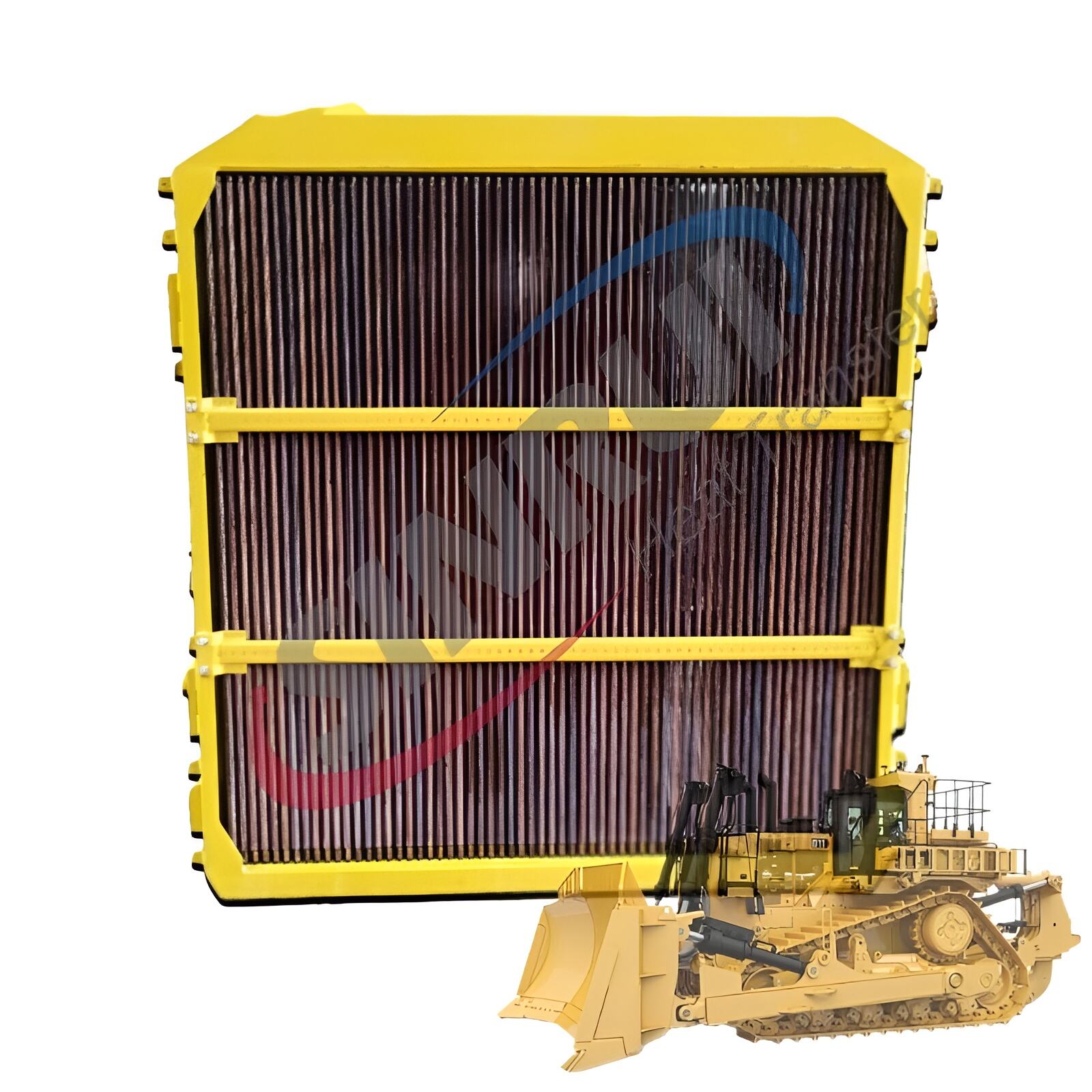
In underground mining operations, the performance of the mining radiator is the critical difference between safe operation and major failures. Conditions become increasingly severe with depth, as temperatures rise by approximately 30 degrees Celsius per kilometer, placing immense strain on engines. Ventilation is inherently limited in these confined spaces, leading to poor air circulation and the development of dangerous hot spots that accelerate component wear without effective cooling. A properly engineered mining radiator must withstand the constant assault of rock dust and debris during drilling while fitting into the extremely cramped spaces within mining machinery. If the mining radiator fails, the entire machine shuts down, resulting in lengthy and costly repairs as equipment must be extracted to the surface. According to 2023 Ponemon research, such unexpected stoppages can cost companies around $740,000 each. More critically, a failed mining radiator creates serious hazards, including potential fires or exposure to harmful leaking coolants in poorly ventilated tunnels. Effective thermal management, centered on a robust mining radiator, can extend equipment lifespan by roughly 40%. It ensures hydraulics and powertrains operate efficiently, which is why a reliable mining radiator system is absolutely indispensable for underground mining.
Key Design Features of High-Efficiency Mining Radiators
V-Style and M-Style Core Configurations for Low-Clearance Machine Integration
Mining gear down underground has to work in spaces where there's barely enough headroom, which means engineers need creative radiator solutions that can cool effectively but fit into tight spots. The V-style setup angles the radiator core at an angle across the frame, this actually boosts airflow efficiency around 30 percent better than standard flat models. Less turbulence plus better placement for drivetrain parts makes these great for compact loaders and drilling machines. Then there are M-style radiators with their multi-pass coolant paths running through triangle-shaped modules stacked together. These increase the surface area for heat loss by roughly 22% without taking up extra room. What both designs share is no sticking out bits that might catch on tunnel walls, plus they spread heat evenly throughout the system. Field tests show these systems keep temps under control, staying below 85 degrees Celsius in most confined situations according to manufacturer data. That kind of temperature management really helps parts last longer when machines run nonstop during excavation operations.
Modular, Field-Serviceable Construction with Quick-Access Hatches
The modular approach to mining radiators really transforms how maintenance gets done thanks to those segmented parts connected via standard interfaces. Every single 15 inch by 15 inch module works on its own, so when something gets clogged or breaks down, techs can swap it out in just over twenty minutes flat without having to drain the whole system. That cuts downtime roughly half compared to older style units that required complete replacement. These systems come equipped with quick access aluminum covers featuring simple quarter turn latches that let workers get right into areas where dirt tends to build up most badly, especially around those fin structures and drainage channels. Workers can blast compressed air through these sections between shifts without tearing anything apart. The materials matter too - special polymer seals resist corrosion from acidic water conditions, and the copper nickel components stay strong even at 250 pounds per square inch pressure levels. Real world testing shows these kinds of service friendly setups cut radiator problems down by about forty percent in mines dealing with lots of sediment buildup, which means fewer production stoppages overall.
Integrating Mining Radiators into Operational Maintenance Strategies
Cross-Platform Radiator Kits and OEM Interchangeability Trends
Manufacturers in the mining sector are increasingly building radiators with standard mounting points and fluid connections so they work across different machines. The benefit? Companies report around a 27% cut in spare parts stock when parts fit multiple equipment types. Technicians out in the field have found that installing these pre-assembled radiator kits takes less than 90 minutes compared to the old 4 hour process. They make use of universal brackets, those multi port hydraulic lines we see everywhere now, plus adjustable shroud designs that adapt to various machine sizes. This change saves time during maintenance cycles and makes sense for operations managing mixed fleets of equipment.
Thermal Monitoring and Rapid-Swap Protocols to Minimize Downtime
Mining radiators now come equipped with real time coolant temperature sensors built right in, which send readings to main control panels so operators get warnings long before things start getting too hot. Maintenance becomes much quicker when needed thanks to standard quick disconnect fittings and sliding rails that let technicians swap out whole radiators in under 45 minutes flat. According to Ponemon research from last year, these kinds of preventive measures stop around two thirds of unexpected breakdowns. The system works because it combines smart sensor tech for predicting problems, spare parts already stored in those underground service areas, plus clearly marked colored lines showing where fluids go. What used to be just another part sitting there doing nothing has become something valuable for keeping operations running smoothly even in tight underground spaces where every minute counts.
Selecting the Right Mining Radiator: A Practical Decision Framework
Picking the right mining radiator means looking at several key things to get good performance down those tight underground tunnels. First off, check out the specs sheet real close. The radiator needs to fit into machines where space is limited, so measure carefully. Also make sure it can handle the heat rejection numbers set by the original equipment manufacturer. Environmental stuff matters too. Underground mines have all sorts of dust floating around and sometimes moisture problems. Copper brass radiators tend to hold up better against acid corrosion when things get damp compared to aluminum ones. When thinking about maintenance, look for designs that let workers clean out debris quickly without tearing everything apart. Radiators with modular parts are gold because they can be fixed on site instead of shipping back whole units. Some studies from 2022 showed companies that followed proper selection procedures saw about half fewer cooling system failures than those who just grabbed whatever was available. And don't forget to check if spare parts will actually be available when needed. Cross platform compatibility is important for keeping inventory manageable across different equipment models. While this method might cost a bit more upfront, it pays off big time in the long run with less downtime and lower overall costs over the life of the equipment.
FAQ
Why is radiator performance critical in underground mining operations?
Radiator performance is crucial because they handle the high temperatures and limited ventilation found underground. Efficient radiators prevent engine overheating, costly breakdowns, and safety hazards for workers.
What are V-style and M-style radiator designs?
V-style radiators have cores angled for better airflow efficiency, while M-style radiators use multi-pass coolant paths to increase heat dissipation without extra space demands.
How do modular designs improve radiator maintenance?
Modular designs allow for quick part replacements without draining the entire system, which reduces maintenance time and downtime significantly.
What role does thermal monitoring play in radiator maintenance?
Thermal monitors provide real-time temperature readings that help prevent overheating, allowing technicians to make proactive maintenance decisions and avoid unexpected breakdowns.