 EN
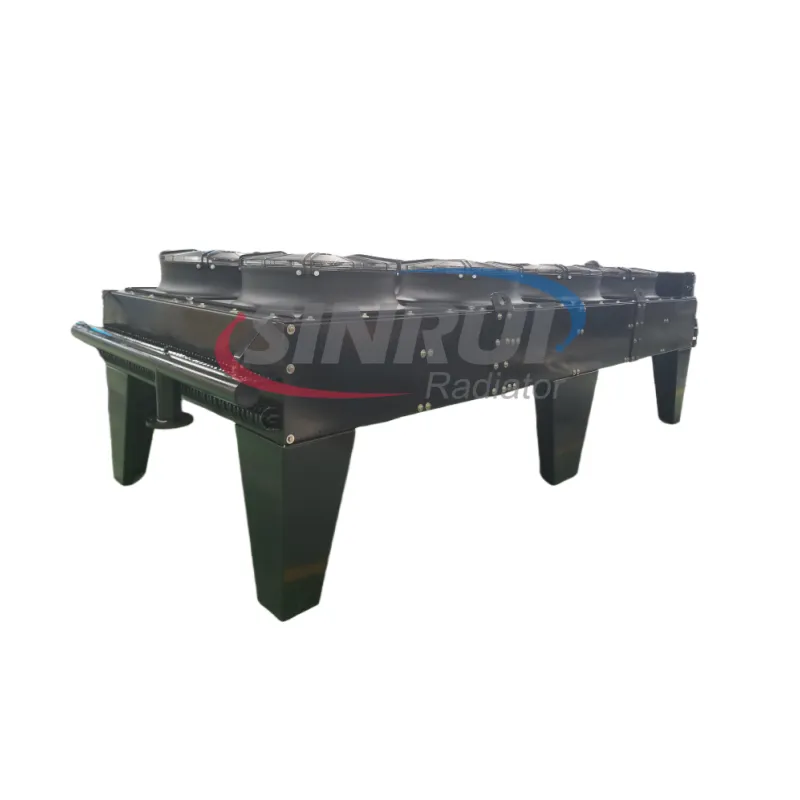
Manufacturers face a critical challenge when producing copper tube that meets demanding industrial standards. The strength and integrity of copper tubes directly impact equipment performance, safety, and operational longevity. Ensuring seamless copper tube quality requires a comprehensive approach combining material selection, advanced manufacturing processes, rigorous quality control, and continuous testing protocols. This commitment to excellence separates manufacturers who deliver reliable products from those whose tubes fail prematurely in critical applications.
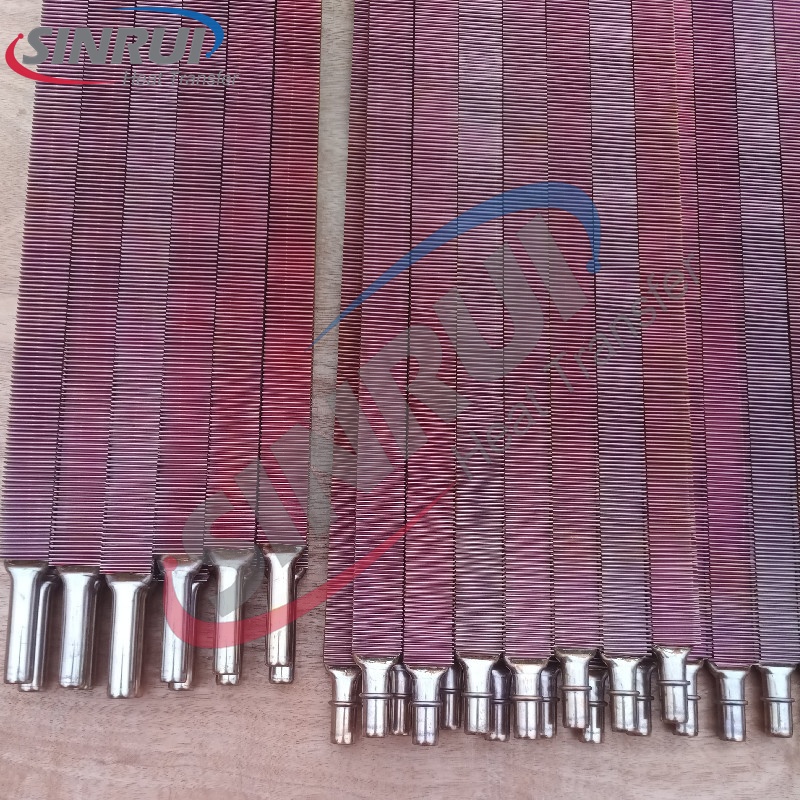
The industrial sector depends heavily on copper tube products for thermal management, fluid transfer, and heat exchange applications. Whether used in injection molding machines, printing equipment, or cooling systems, seamless copper tube must withstand pressure fluctuations, thermal cycling, and corrosive environments. Manufacturers invest significantly in engineering capabilities and process control to guarantee that every copper tube leaving their facility meets exacting strength specifications. Understanding the mechanisms behind this quality assurance reveals why certain manufacturers command market trust and deliver superior product reliability.
Material Selection and Composition Control
Sourcing High-Grade Copper Stock
The foundation of seamless copper tube strength begins with premium raw material sourcing. Manufacturers select copper stock based on purity levels, alloy composition, and supplier certifications. High-purity copper provides the baseline mechanical properties necessary for demanding applications. When additional strength is required, manufacturers introduce controlled alloy elements such as tin, phosphorus, or beryllium to enhance hardness and durability without compromising corrosion resistance. This selective material approach ensures that copper tube performs reliably across diverse industrial environments.
Chemical Composition Verification
Every batch of incoming copper material undergoes chemical analysis to confirm elemental composition matches specification. Spectroscopic testing and laboratory analysis verify that impurity levels remain below acceptable thresholds. Manufacturers maintain detailed material traceability, documenting the origin, composition, and certification of each copper stock lot. This rigorous verification process prevents manufacturing defects caused by contaminated or off-spec material, establishing a reliable foundation for producing strong, durable copper tube products.
Manufacturing Process Excellence
Precision Seamless Tube Extrusion
The seamless copper tube production process demands precision engineering and strict process control. Manufacturers utilize advanced extrusion and drawing techniques to form tubes without seams, eliminating weak points where failure typically initiates. Temperature management during extrusion remains critical—maintaining optimal thermal conditions ensures consistent molecular grain structure throughout the copper tube. Controlled cooling rates after extrusion prevent internal stress accumulation and microstructural defects. Modern manufacturing facilities employ real-time monitoring systems to track extrusion parameters and automatically adjust processes when deviations occur, guaranteeing uniform tube properties.
Annealing and Heat Treatment Protocols
Heat treatment directly influences copper tube strength and workability. Manufacturers implement carefully controlled annealing cycles to relieve internal stresses created during tube forming. These thermal cycles recrystallize the copper material, optimizing grain size and mechanical properties. Different application requirements necessitate varying heat treatment schedules—some customers require fully annealed copper tube for maximum ductility, while others specify work-hardened conditions for enhanced strength. Precise temperature control, hold times, and cooling rates are monitored continuously to ensure every copper tube emerges from the furnace with precisely specified properties.
Quality Control and Testing Infrastructure
Non-Destructive Testing Methods
Manufacturers employ sophisticated non-destructive testing to verify internal integrity of copper tube without damaging the product. Ultrasonic inspection detects internal voids, laminations, and structural anomalies that could compromise performance. Eddy current testing identifies surface and near-surface defects that visual inspection might miss. These testing methods enable manufacturers to screen entire production runs, removing substandard copper tube before delivery to customers. Advanced automated inspection systems now integrate artificial intelligence to enhance detection accuracy and ensure consistent quality across high-volume production environments.
Destructive Testing and Performance Validation
Complementing non-destructive methods, manufacturers conduct periodic destructive testing on sample tubes from each production batch. Tensile strength testing measures the maximum stress copper tube can withstand before failure, verifying that products meet minimum strength specifications. Burst pressure testing simulates real-world operating conditions by pressurizing tubes until failure occurs, establishing safety margins. Thermal cycling tests expose copper tube to repeated temperature extremes, confirming that strength and integrity remain stable. Corrosion resistance testing in aggressive environments validates that tubes maintain structural integrity when exposed to challenging fluids and chemical conditions. These comprehensive validation protocols provide statistical confidence that all copper tube in production meets stringent strength requirements.
Dimensional Accuracy and Tolerance Management
Seamless copper tube strength depends not only on material properties but also on precise dimensional consistency. Manufacturers control outer diameter, wall thickness, and length to extremely tight tolerances. Variations in wall thickness create stress concentration points where failure originates under pressure. Automated measuring systems track dimensional data throughout production, identifying drift before it creates out-of-specification tubes. This aggressive dimensional control ensures that copper tube withstands design pressures uniformly across the entire product length. Customers receive tubes that integrate seamlessly into their equipment without requiring field modification or tolerance compensation.
Continuous Improvement and Process Optimization
Leading manufacturers maintain ongoing investment in process improvement initiatives to enhance copper tube strength and reliability. Regular audits of manufacturing processes identify opportunities for refinement and optimization. Feedback from field performance data guides corrective actions when occasional problems emerge. Manufacturing engineers collaborate with customers to understand application challenges and develop copper tube specifications that exceed actual performance requirements. This continuous improvement mindset ensures that manufacturer capabilities advance ahead of industry standards, delivering copper tube products that outperform expectations.
FAQ
What factors most influence copper tube strength during manufacturing?
Material purity, alloy composition, extrusion parameters, heat treatment cycles, and dimensional consistency represent the primary factors affecting copper tube strength. Each element must be controlled precisely to produce reliable products that meet demanding industrial specifications and performance requirements.
How do manufacturers test copper tube to verify strength specifications?
Manufacturers employ both non-destructive methods like ultrasonic and eddy current testing plus destructive testing including tensile strength, burst pressure, and thermal cycling tests. This comprehensive approach validates that every copper tube meets strength specifications before reaching customers in production environments.
Why is seamless construction superior to welded copper tube?
Seamless copper tube eliminates weak points where failure typically initiates in welded designs. The continuous, uniform structure provides superior strength, reliability, and pressure handling capability, making seamless tubes the preferred choice for demanding industrial applications requiring maximum performance.