 EN
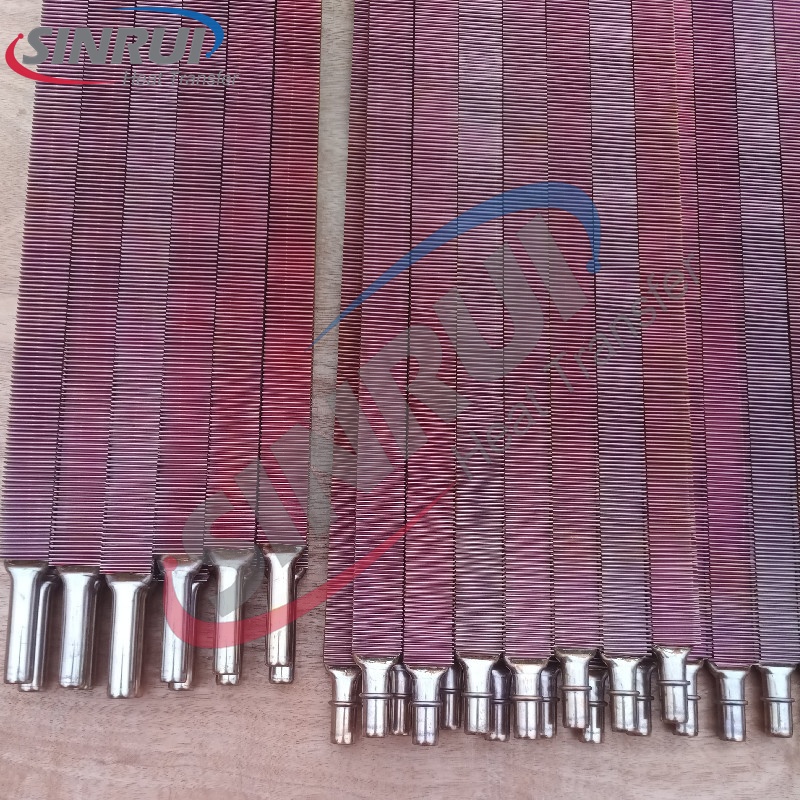
Industrial equipment relies heavily on copper tube components to facilitate fluid transfer, heat exchange, and thermal management across mining operations, hydraulic systems, and manufacturing facilities. However, copper tube faces constant exposure to mechanical stress, vibration, thermal cycling, and abrasive conditions that can lead to accelerated wear, leaks, and system failures. Understanding how industrial systems protect copper tube from wear is essential for maintenance teams, equipment designers, and facility managers who depend on reliable performance and extended equipment lifespan.
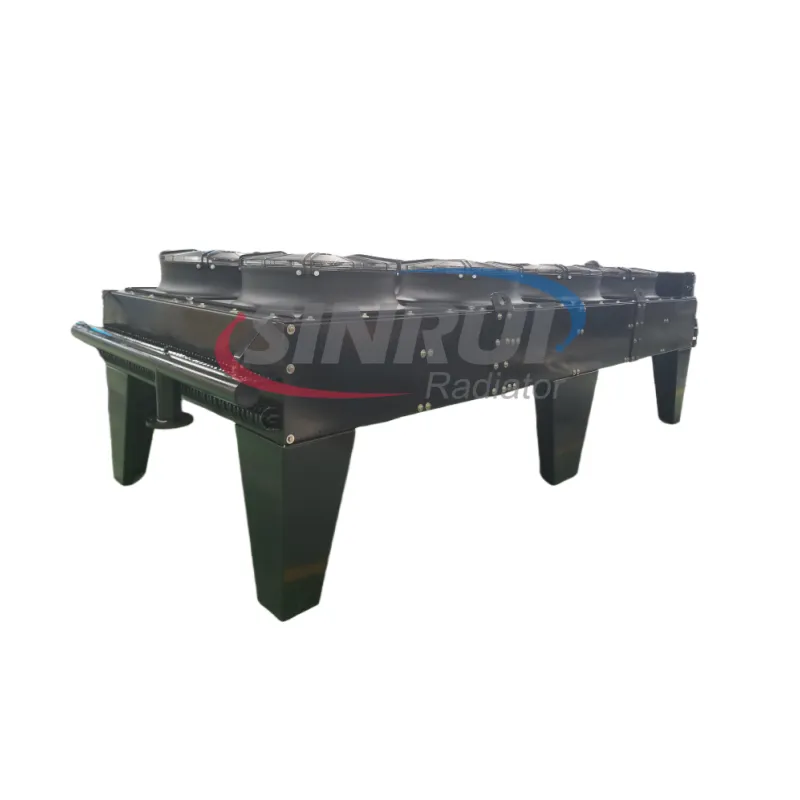
Modern industrial systems employ multiple protection strategies to safeguard copper tube integrity throughout their operational lifetime. These protective measures range from engineered mounting solutions and vibration dampening systems to proactive maintenance protocols and material selection criteria. By implementing comprehensive wear protection approaches, industrial operations can minimize unexpected downtime, reduce maintenance costs, and maximize return on equipment investment while maintaining safety and environmental compliance standards.
Vibration Isolation and Mounting Technology
Strategic Fastening Systems for Copper Tube
Industrial systems protect copper tube through precision-engineered fastening and mounting hardware that minimizes contact stress and vibration transmission. Specialized clips, brackets, and support frames distribute loads evenly across the tube surface rather than concentrating force at isolated contact points. These mounting solutions use elastomeric materials, rubber inserts, and engineered spacing to absorb shock loads and reduce metal-to-metal contact that accelerates wear. Proper spacing between mounting points prevents excessive deflection while allowing controlled movement that accommodates thermal expansion and contraction cycles without creating stress concentrations.
Vibration Dampening in High-Performance Applications
Advanced industrial systems incorporate active and passive vibration control technologies that protect copper tube from cyclic stress and resonant frequencies. Damping compounds, flexible connections, and spring-loaded supports absorb vibration energy before it reaches the tube wall, preventing the microscopic crack initiation that leads to progressive wear failure. In high-frequency applications such as pumping systems and compressor units, isolation mounts decouple the copper tube from source vibration, reducing fatigue damage accumulation. Real-time vibration monitoring systems detect early-stage wear patterns and alert maintenance teams to adjust support configurations or replace components before critical failures occur.
Material Selection and Protective Coatings
Engineered Tube Composition for Enhanced Durability
Industrial applications specify copper alloys and tube formulations that resist wear under specific operating conditions. Standard copper tube provides excellent thermal conductivity and formability, but specialized grades incorporate hardening elements and microstructural treatments that improve surface resistance to abrasion, erosion, and corrosive media exposure. Cermet-reinforced copper composites, nickel-copper alloys, and proprietary formulations extend tube service life in demanding environments where unprotected copper would degrade rapidly. Material engineering partners work with equipment manufacturers to select optimal copper tube specifications that balance thermal performance, mechanical strength, and cost-effectiveness for each industrial application.
Surface Protection and Corrosion Barriers
Protective coatings and surface treatments create barriers that shield copper tube from oxidation, chemical attack, and particulate erosion that accelerates wear mechanisms. Epoxy coatings, nickel plating, and ceramic thermal barriers reduce direct contact between the copper tube surface and aggressive media while maintaining thermal transfer efficiency. Anodizing, passivation, and oxide layer development create chemically stable surfaces that resist localized corrosion and pitting that initiate failure cycles. Industrial systems apply these protective measures selectively based on operating temperature, fluid chemistry, and environmental exposure conditions to optimize long-term performance without compromising thermal or electrical properties that the copper tube provides.
Maintenance Protocols and System Monitoring
Proactive Inspection and Condition Assessment
Industrial systems implement structured inspection schedules that detect early wear indicators before they progress to system failures. Technicians examine copper tube for surface degradation, discoloration, scale accumulation, and deformation that signal advancing wear conditions. Pressure testing, flow rate measurement, and thermal imaging identify leaks, blockages, and localized hot spots that indicate developing problems. Documentation of inspection findings creates historical trend data that informs maintenance decisions and helps predict optimal replacement timing for copper tube components before unexpected failures disrupt operations.
Fluid Management and Contamination Control
Clean, properly conditioned working fluids dramatically reduce wear rates on copper tube by eliminating abrasive particles and corrosive compounds that accelerate degradation. Industrial systems employ filtration, centrifugation, and settling processes that remove solid contaminants before fluids circulate through copper tube networks. Fluid analysis programs monitor viscosity, acid number, water content, and particle size distribution to identify contamination sources and optimize treatment intervals. Maintaining fluid cleanliness protects not only the copper tube but also extends the lifespan of pumps, valves, and other system components that contact the same working media, creating comprehensive asset protection across integrated industrial equipment.
FAQ
What causes premature wear in industrial copper tube systems?
Premature wear in copper tube results from multiple factors including vibration-induced fatigue, corrosive fluid chemistry, abrasive particle erosion, thermal cycling stress, and improper support or fastening. High-velocity fluid flow, cavitation, and turbulence create localized erosion and surface degradation. Inadequate mounting allows excessive tube movement and bending stress concentration. Contaminated working fluids introduce particles that scour internal surfaces and chemical compounds that corrode copper. Addressing these root causes through proper design, material selection, and maintenance significantly extends copper tube service life.
How often should copper tube systems be inspected for wear?
Inspection frequency depends on operating severity, fluid conditions, and historical performance data. Critical applications and high-vibration environments warrant monthly or quarterly inspections, while stable systems may require semi-annual or annual reviews. Condition-based monitoring using ultrasonic thickness testing, borescope examination, and vibration analysis helps optimize inspection timing by identifying actual wear progression rather than relying solely on calendar-based schedules. Establishing baseline measurements during initial operation enables detection of accelerated wear trends before failures occur.
Can protective coatings be applied to existing copper tube installations?
Yes, protective coatings can be applied to existing copper tube through specialized surface preparation and application processes that ensure adhesion and performance. Industrial coating systems include epoxy, polyurethane, ceramic, and metallic options that adapt to in-service conditions and operational requirements. Retrofit applications require careful process control to prevent coating damage during installation and maintain compatibility with system fluids and operating temperatures. Consulting with coating specialists ensures that selected protection systems deliver durability without introducing contamination or thermal performance degradation in active industrial systems.