 EN
EN
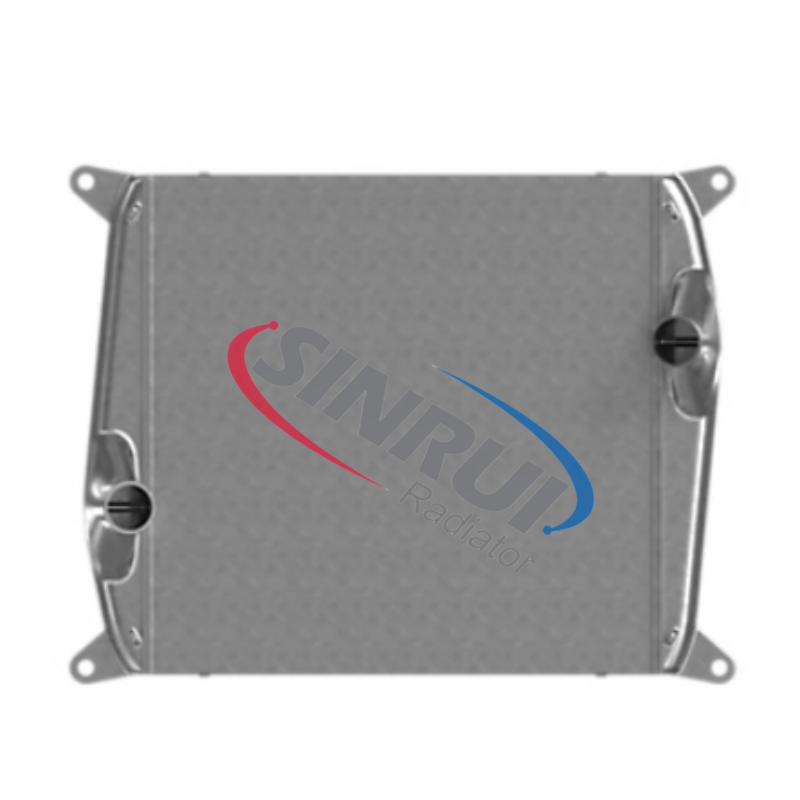
When selecting cooling solutions for heavy equipment and industrial machinery, the choice between aluminum radiators and traditional copper models significantly impacts operational efficiency, maintenance costs, and equipment longevity. Aluminum radiators have emerged as the preferred choice for modern applications, offering distinct advantages that address the evolving demands of industrial operations. Understanding these benefits helps equipment operators and maintenance teams make informed decisions that enhance performance while reducing total cost of ownership across the equipment lifecycle.
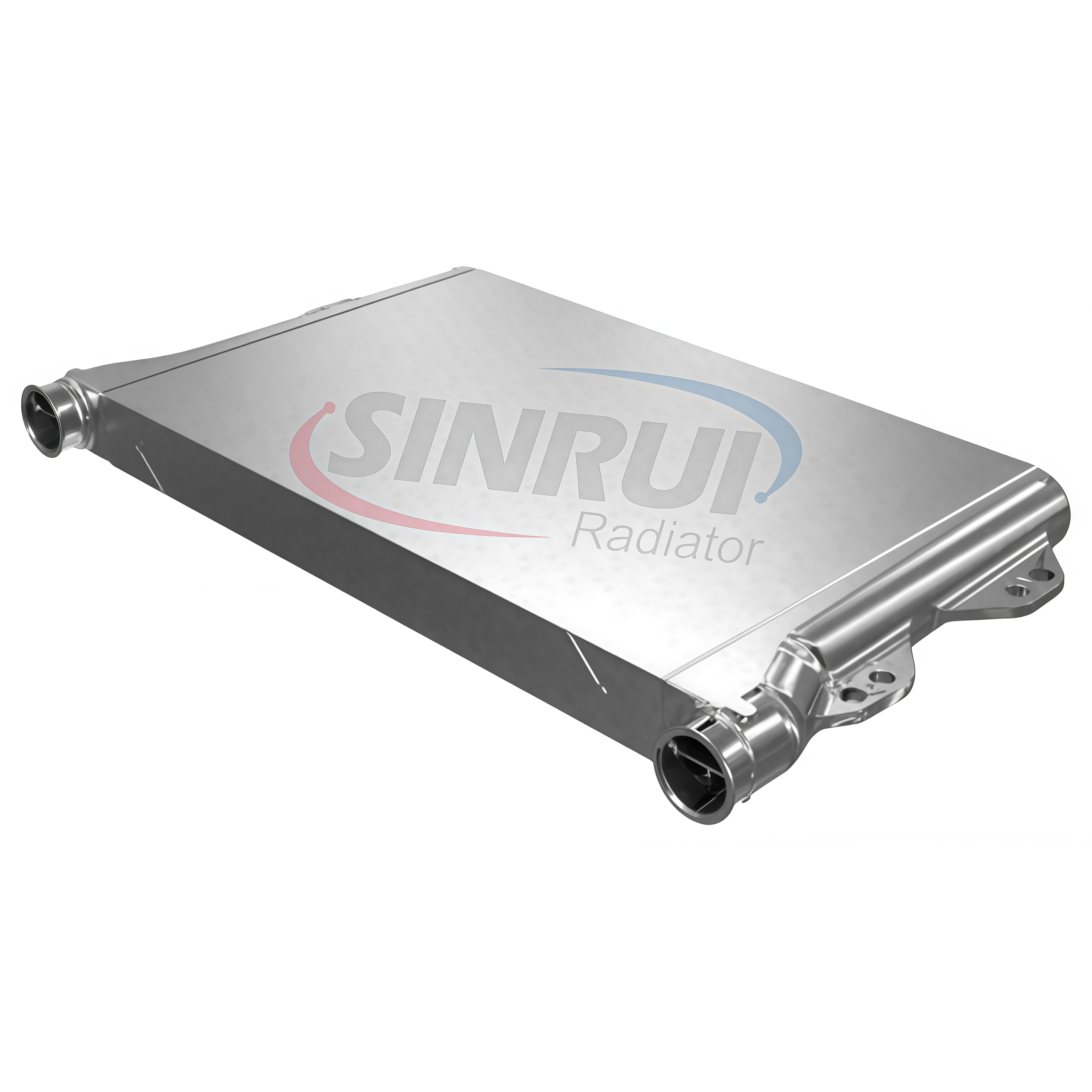
The evolution of radiator technology reflects decades of engineering refinement, with aluminum radiators now dominating specifications for equipment ranging from compact construction machinery to large-scale industrial engines. This shift represents far more than a simple material substitution; it reflects fundamental improvements in thermal management, structural durability, and operational reliability that directly translate to measurable business benefits for fleet operators and manufacturing facilities.
Superior Thermal Performance and Heat Transfer Efficiency
Enhanced Heat Dissipation Capability
Aluminum radiators excel at transferring engine heat to the surrounding environment through superior thermal conductivity and optimized core design. The material composition of aluminum enables faster heat dissipation compared to traditional copper models, which means engines operate at lower, safer temperatures during peak demand cycles. This enhanced cooling efficiency reduces the risk of thermal stress, extending engine life and maintaining consistent performance across varying operational conditions and ambient environments.
Improved Cooling Consistency
The design flexibility of aluminum radiators allows engineers to create more sophisticated fin geometries and tube configurations that maximize surface area for heat exchange. Aluminum radiators maintain consistent coolant flow patterns, preventing hot spots and stagnant zones that compromise cooling effectiveness. This uniform temperature distribution throughout the core ensures reliable performance whether equipment operates during brief peak loads or extended continuous duty cycles in demanding industrial environments.
Weight Reduction and Equipment Efficiency Gains
Significant Mass Advantage Over Copper Models
One of the most immediately apparent benefits of aluminum radiators is their substantially lower weight compared to copper alternatives. Aluminum weighs approximately one-third as much as copper for equivalent cooling capacity, a difference that translates directly to reduced equipment mass and improved fuel efficiency. For mobile equipment such as excavators, loaders, and haul trucks operating in mining and construction sectors, this weight reduction compounds across thousands of operating hours, resulting in measurable fuel savings and enhanced payload capacity without exceeding manufacturer specifications.
Improved Operational Dynamics
The reduced weight of aluminum radiators lowers the center of gravity on mobile equipment, enhancing stability and maneuverability on challenging terrain and steep inclines. Equipment operators experience improved handling characteristics and reduced fatigue during extended shifts. This weight advantage becomes particularly significant when integrated into equipment specifications alongside other lightweight components, allowing operators to maximize productive payload capacity while maintaining regulatory compliance and safety standards across diverse applications.
Long-Term Durability and Maintenance Economics
Corrosion Resistance and Environmental Advantages
Modern aluminum radiators incorporate advanced corrosion-resistant coatings and material treatments that protect against oxidation, saltwater exposure, and chemical-laden environments common in industrial operations. Unlike copper, which develops green patina and requires specialized maintenance protocols, aluminum radiators resist degradation from moisture, road salt, and agricultural chemicals. This inherent corrosion resistance dramatically reduces unplanned maintenance events and extends the interval between major radiator servicing, directly reducing equipment downtime and maintenance labor costs across the fleet lifecycle.
Cost-Effective Manufacturing and Replacement Economics
The manufacturing processes for aluminum radiators benefit from mature production technologies and efficient supply chains that yield significant cost advantages compared to copper models. This cost efficiency extends to replacement and repair scenarios; aluminum radiator cores are more readily available, more affordable to manufacture as replacement units, and require less specialized handling during installation. For fleet operators managing hundreds of pieces of equipment across multiple job sites, the cumulative savings in spare parts inventory and replacement radiator acquisition represent substantial budget advantages over multi-year operating cycles.
Compatibility with Modern Coolant Systems and Engine Standards
Optimized for Contemporary Coolant Formulations
Current engine coolant specifications and extended-life antifreeze formulations have been developed specifically with aluminum radiator compatibility in mind. Modern aluminum radiators perform optimally with today's low-silicate and phosphate-free coolant packages, ensuring consistent thermal performance and preventing internal scale buildup that compromises heat transfer efficiency. This alignment between radiator material science and contemporary coolant chemistry eliminates compatibility concerns and ensures straightforward maintenance protocols for operations personnel managing equipment cooling systems across diverse fleet compositions.
Integration with Advanced Engine Management Systems
The thermal characteristics of aluminum radiators align seamlessly with electronic engine management systems that continuously monitor and adjust cooling requirements based on real-time operational demands. The predictable thermal behavior and rapid response to coolant temperature changes enable engine control modules to operate at optimal efficiency windows, reducing emissions while maximizing fuel economy. This synergy between aluminum radiator thermal responsiveness and modern engine electronics represents a crucial advantage for equipment operators seeking to meet contemporary emissions standards and fuel efficiency targets without compromising performance or reliability.
FAQ
What is the typical lifespan difference between aluminum and copper radiators?
Modern aluminum radiators typically achieve 8-12 years of service life in demanding industrial applications, while copper radiators often require replacement or major refurbishment at 6-8 years due to corrosion and material degradation. This extended lifespan of aluminum radiators reflects superior corrosion resistance and lower maintenance requirements, translating to reduced total cost of ownership. The actual difference varies based on operating environment severity, coolant maintenance protocols, and equipment duty cycle intensity.
Are aluminum radiators suitable for all equipment types and industries?
Yes, aluminum radiators are engineered for virtually all industrial equipment applications, from compact construction machinery and agricultural equipment to large-scale mining operations and marine engines. Their thermal performance, weight efficiency, and cost advantages make aluminum radiators the industry standard across mobile equipment, stationary power generation, and specialized industrial cooling systems. Original equipment manufacturers standardly specify aluminum radiators across their product lines due to proven reliability and regulatory compliance advantages.
How does the thermal expansion of aluminum affect radiator longevity?
Aluminum's thermal expansion characteristics have been extensively engineered into modern radiator design through optimized core geometry, flexible connection points, and resilient gasket materials that accommodate temperature cycling. The coefficient of thermal expansion for aluminum radiators is well-understood and accounted for in manufacturing specifications, ensuring structural integrity across the full operating temperature range. Properly maintained aluminum radiators with correct coolant levels and appropriate antifreeze concentrations experience minimal degradation from thermal cycling, delivering consistent performance throughout their service life.