 EN
EN
A mining radiator is one of the most critical components on any haul truck operating in a demanding open-pit or underground environment. When a mining radiator fails, the consequences extend far beyond a simple mechanical fix — unplanned downtime, production losses, and costly emergency repairs can follow. Understanding the most common failure modes and the prevention strategies behind them is essential for any mine site maintenance team that wants to keep equipment running at full capacity.
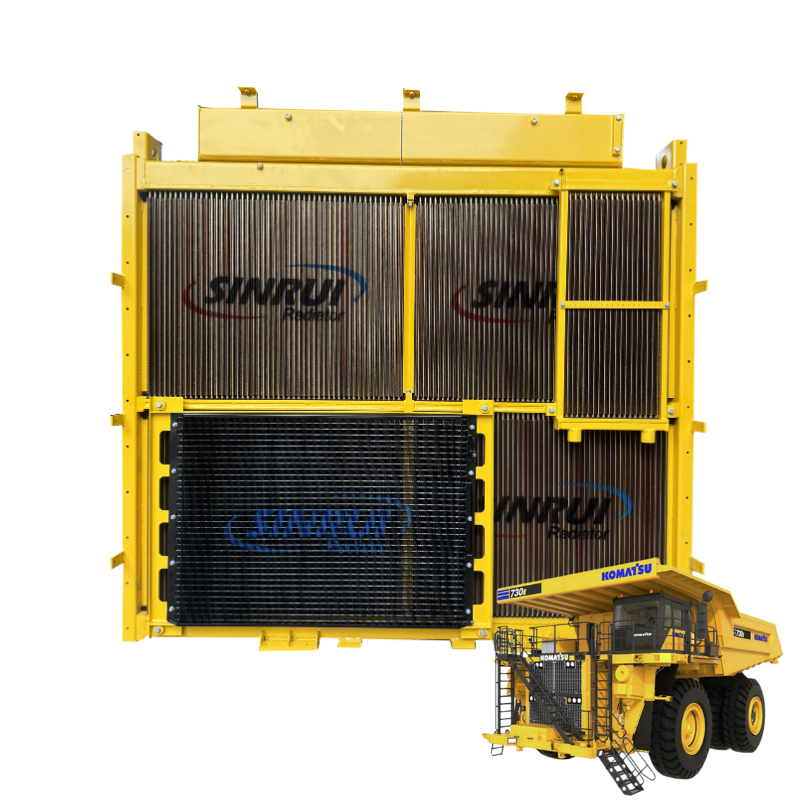
A mining radiator faces conditions that standard industrial equipment rarely encounters. Extreme heat cycles, heavy dust loads, chemical exposure, and continuous high-load engine operation all stress the mining radiator beyond what typical cooling components endure. This article identifies the failure patterns that appear most frequently across mine sites, explains why they occur, and outlines actionable prevention measures that maintenance teams can implement immediately to extend mining radiator service life and protect engine performance.
Common Failure Modes in a Mining Radiator
Core Blockage and Restricted Airflow
One of the most frequently reported issues with any mining radiator is core blockage. In mining environments, fine dust, mud, and debris accumulate rapidly on the external fins of the mining radiator core. When the fin passages become clogged, airflow through the core is restricted, reducing the mining radiator's ability to dissipate heat efficiently. The engine coolant temperature begins to rise, and if left unaddressed, the mining radiator can no longer maintain safe operating temperatures under full engine load.
Core blockage in a mining radiator is particularly dangerous because it often develops gradually. Operators may not notice warning signs until the temperature gauge climbs sharply during a steep haul cycle. Prevention requires a structured inspection and cleaning schedule. High-pressure air or water cleaning of the mining radiator core should be performed at regular intervals based on site dust conditions, not solely on calendar dates. Sites with heavy silica dust or clay deposits may require cleaning far more frequently than standard service intervals suggest.
Internal Scale and Coolant Degradation
While external blockage affects airflow, internal scale buildup restricts coolant flow within the mining radiator tubes. When coolant is not maintained at the correct concentration or is not changed on schedule, minerals and corrosion byproducts deposit on the inner walls of the mining radiator tubes and header tanks. This scale acts as an insulator, reducing the heat transfer rate of the mining radiator significantly. Over time, the affected tubes can narrow or become fully blocked, forcing coolant to bypass sections of the mining radiator core entirely.
Preventing internal scale in a mining radiator depends on a rigorous coolant management program. Using the correct coolant specification for the engine and ambient temperature range, monitoring coolant pH and inhibitor levels regularly, and flushing the mining radiator system at recommended intervals all contribute to keeping internal passages clean. A mining radiator that receives proper coolant care will maintain far higher heat transfer efficiency over its service life than one operating with degraded coolant.
Physical Damage and Structural Failures
Impact Damage from Debris
The operating environment around a mining haul truck is harsh and unpredictable. Rocks, ore fragments, and airborne debris can strike the mining radiator core directly, bending fins or puncturing tubes. Even minor fin damage reduces the effective airflow area of the mining radiator, while a punctured tube causes immediate coolant loss and pressure drop. A mining radiator that loses pressure cannot circulate coolant effectively, and the engine is at immediate risk of overheating.
Physical protection measures are a key part of mining radiator preservation. Many haul trucks operating in high-debris environments benefit from protective grilles or debris screens fitted in front of the mining radiator. These screens must be inspected and cleared regularly to avoid becoming a blockage source themselves. During routine maintenance checks, technicians should visually inspect the mining radiator core face for bent fins or impact marks and address minor fin damage with a fin comb before it progresses to tube damage.
Vibration Fatigue and Joint Failures
Haul trucks operate on rough, uneven terrain continuously. The vibration loads transmitted through the truck frame place repeated stress on the mounting points, header tanks, and brazed or welded joints of the mining radiator. Over time, vibration fatigue can cause micro-cracks to develop at joints and connection points on the mining radiator. These cracks allow coolant to seep out slowly, which may go unnoticed until a significant coolant loss has already occurred.
Inspection of the mining radiator mounting system and joint integrity should be part of every scheduled service. Loose mounting hardware allows excessive movement of the mining radiator under vibration, accelerating fatigue damage. Rubber anti-vibration mounts that have hardened or cracked should be replaced promptly. Identifying early-stage joint seepage on a mining radiator during a planned service is far less costly than dealing with a full coolant leak during operation.
Prevention Strategies for Long-Term Mining Radiator Reliability
Structured Maintenance Schedules
Reliable mining radiator performance depends on consistent, documented maintenance. A prevention-focused maintenance plan for a mining radiator should include defined cleaning intervals for the external core, coolant sampling and analysis schedules, pressure testing to detect early leaks, and visual inspection checklists covering fins, tubes, header tanks, and mounting hardware. When maintenance teams follow a structured approach, mining radiator failures shift from being unexpected crises to being manageable, predictable events that can be planned around production schedules.
Data from coolant analysis can reveal early warning signs that a mining radiator is developing internal corrosion or scale before a failure occurs. Tracking trends in coolant inhibitor depletion rates, pH shifts, and contaminant levels gives maintenance planners the information they need to schedule mining radiator servicing proactively rather than reactively.
Using the Correct Replacement Parts
When a mining radiator does require replacement or repair, using components engineered to the original specification is essential. A mining radiator built to meet the thermal load and pressure requirements of a specific haul truck model will perform and last significantly better than a substandard substitute. For operators running heavy haul trucks, ensuring that the replacement mining radiator matches the original design tolerances protects the entire cooling system investment and reduces the risk of repeat failures within a short service period.
FAQ
What are the early warning signs that a mining radiator is failing?
Early signs of mining radiator trouble include rising coolant temperature readings during normal haul cycles, visible coolant staining around header tanks or tube joints, reduced coolant level without visible leaks, and unusual steam or odor near the engine compartment. Addressing these signs promptly prevents a minor mining radiator issue from escalating into a full failure.
How often should a mining radiator be cleaned in a dusty environment?
In high-dust mining environments, the external core of a mining radiator may require cleaning every 250 to 500 operating hours, depending on dust concentration and particle type. Sites with fine silica or clay dust typically require more frequent cleaning than sites with coarser material. Cleaning frequency should be adjusted based on observed blockage rates, not fixed calendar intervals alone.
Can a damaged mining radiator core be repaired, or does it need full replacement?
Minor fin damage on a mining radiator can often be corrected with a fin comb during routine maintenance. However, cracked tubes, header tank failures, or widespread internal scale buildup typically require a full mining radiator replacement to restore reliable cooling performance. Attempting to patch a structurally compromised mining radiator in a high-load application carries significant risk of repeat failure and further engine damage.