 EN
EN
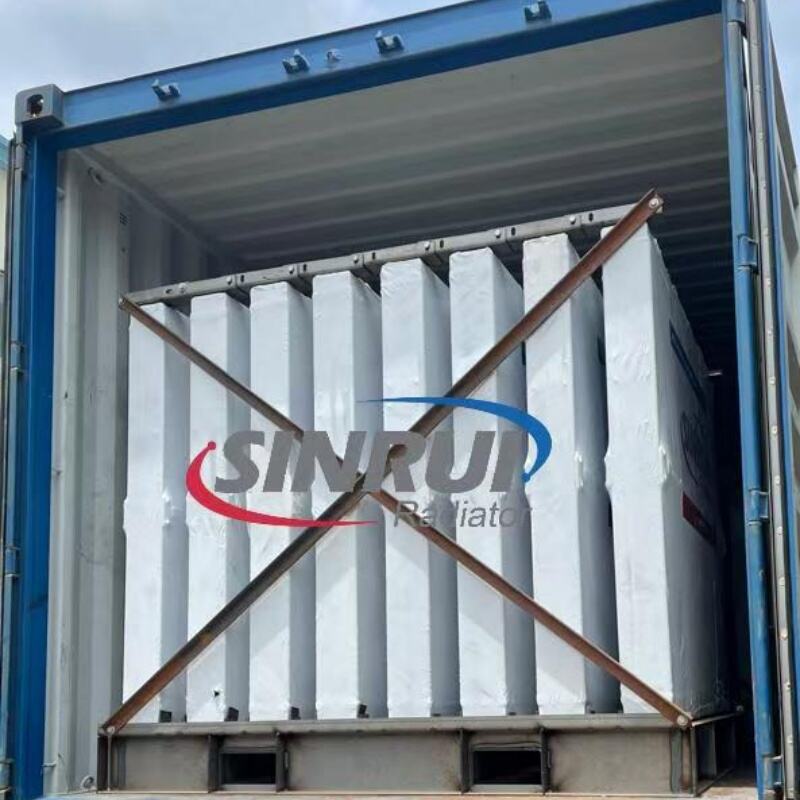
Upgrading the cooling system on older mining equipment is one of the most impactful maintenance decisions a fleet manager can make. As haul trucks and excavators age, their original thermal management components degrade, and a worn-out mining radiator becomes a critical failure point. Replacing or upgrading the mining radiator in aging machines restores proper heat dissipation, reduces engine stress, and directly protects uptime in demanding pit environments.
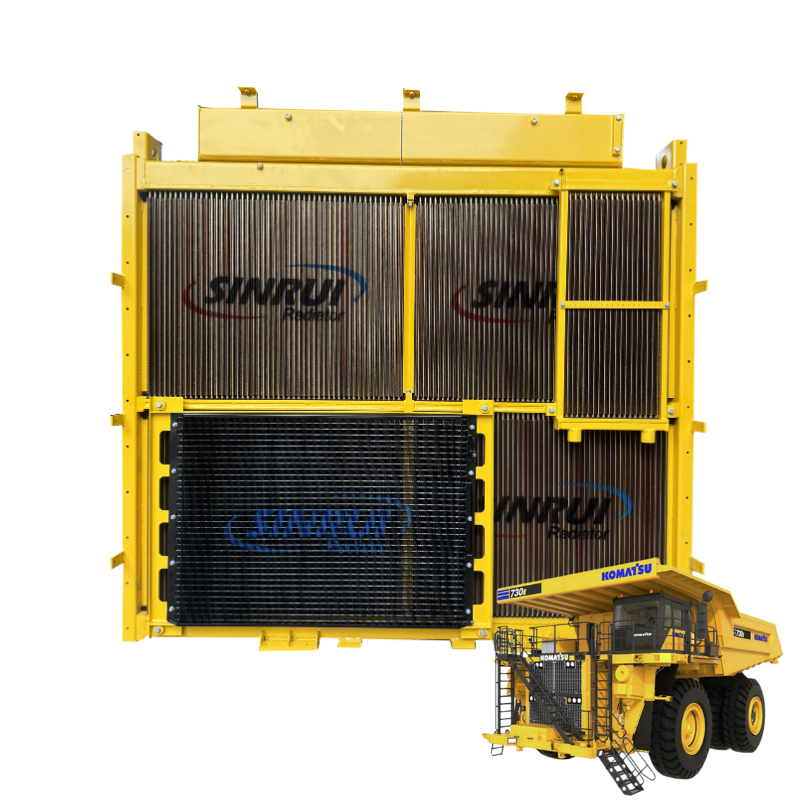
A high-quality mining radiator upgrade does more than just cool the engine. It supports consistent hydraulic fluid temperatures, stabilizes transmission cooling circuits, and extends the total service life of the machine. Whether you are operating a large haul truck or a heavy excavator with years of service behind it, understanding how to properly upgrade the mining radiator is essential for sustainable fleet performance.
Recognizing When Your Mining Radiator Needs Upgrading
Common Signs of Cooling System Degradation
Older equipment often shows clear warning signs before complete cooling failure occurs. Frequent engine overtemperature alerts, rising coolant consumption, and discolored coolant fluid are all indicators that the mining radiator is no longer performing adequately. When a mining radiator core becomes corroded, scaled, or physically damaged from vibration and debris, heat transfer efficiency drops sharply. The engine compensates by running hotter, accelerating wear across pistons, gaskets, and bearings.
Fleet technicians should also inspect the mining radiator for fin damage, internal tube blockages, and housing cracks during every scheduled service interval. A partially blocked mining radiator core can reduce cooling capacity by thirty percent or more without triggering an immediate alarm, making visual inspection critical. If multiple issues are found together, a full mining radiator replacement is typically more cost-effective than repeated repairs on a degraded core.
Operational Context That Accelerates Wear
Mining environments place extreme demands on every cooling component. Dust-laden air clogs the mining radiator fins, abrasive particles accelerate tube erosion, and continuous heavy-load cycles push coolant temperatures to their upper limits for hours at a time. In high-altitude open-pit operations, reduced air density further limits the mining radiator's ability to shed heat, compounding thermal load on aging cores. Understanding these site-specific stressors helps maintenance teams determine the right upgrade specification for their mining radiator replacement.
Selecting the Right Mining Radiator for the Upgrade
Matching Specifications to Machine Requirements
Choosing the correct mining radiator begins with matching the core dimensions, coolant flow capacity, and pressure ratings to the original equipment specifications. For haul trucks such as the Komatsu 730E, the mining radiator must meet precise physical fitment requirements while also delivering improved thermal performance over the factory unit. Using an undersized or incorrectly specified mining radiator can introduce new failure modes, including pressure surges and insufficient cooling at peak load.
A replacement mining radiator should use high-grade bar-and-plate or tube-and-fin core construction suited for heavy industrial cycles. The mining radiator core material should resist the chemical composition of modern long-life coolants while maintaining structural integrity under continuous vibration. Always verify that the mining radiator you select carries the correct inlet and outlet configurations for your specific machine model to avoid costly adaptation work during installation.
Evaluating Upgraded Core Technology
Modern aftermarket mining radiator designs often improve on original equipment by using denser fin patterns and higher-conductivity core alloys. An upgraded mining radiator with improved fin geometry can increase heat rejection capacity without increasing the physical size of the unit, making it easier to retrofit into older machine frames. When evaluating a mining radiator upgrade, request documented heat exchange performance data to confirm it meets or exceeds the original specification under your site's ambient temperature range.
Step-by-Step Process for Mining Radiator Replacement
Preparation and Safety Procedures
Before removing the old mining radiator, allow the machine to cool completely and depressurize the cooling circuit. Drain the coolant into a clean, approved container for proper disposal or reuse. Disconnect the radiator hoses, transmission cooler lines, and any charge air cooler connections attached to the mining radiator assembly. Label each connection point clearly so the new mining radiator can be installed with confidence. Inspect the mounting frame for corrosion or cracks while the mining radiator is out, since structural damage to the support frame can transfer damaging vibration forces into the new core.
Clean all mating surfaces thoroughly before fitting the replacement mining radiator. Any debris left on the contact flanges can cause coolant leaks or restrict airflow across the new mining radiator core. Replace all hoses, seals, and clamps as part of the upgrade process. Installing a new mining radiator against worn rubber components defeats the purpose of the upgrade and risks early coolant loss under operating pressure.
Installation and Commissioning of the New Mining Radiator
Mount the new mining radiator carefully within the machine's cooling bay, ensuring all fasteners are torqued to the manufacturer's specification. Reconnect all fluid lines in reverse order of removal, and refill the system with the correct coolant type and concentration as recommended for your operating environment. After filling, run the machine at low load and monitor the mining radiator outlet temperature, coolant pressure, and engine temperature gauge behavior. Gradually increase load while confirming that the mining radiator maintains stable temperatures across the normal operating range.
Document the mining radiator installation date, core specification, and coolant charge details in the machine's service record. This information supports future maintenance planning and helps technicians identify cooling performance trends over time. A properly installed and commissioned mining radiator should deliver measurably lower operating temperatures compared to the degraded unit it replaced, validating the investment immediately through reduced thermal stress on the engine and drivetrain.
FAQ
How often should a mining radiator be replaced on aging haul trucks?
There is no single fixed interval for mining radiator replacement because service life depends heavily on site conditions, maintenance quality, and operating cycles. In highly abrasive or dusty environments, the mining radiator core may need inspection every 6,000 to 8,000 hours and replacement before 20,000 hours. Regular thermal performance testing is the most reliable guide for determining when a mining radiator has degraded past serviceable limits.
Can an upgraded mining radiator improve fuel efficiency on older machines?
Yes. When a mining radiator restores proper engine cooling, the engine management system no longer needs to reduce power output or increase fuel injection to compensate for overtemperature conditions. A well-functioning mining radiator keeps the engine in its optimal thermal operating window, which supports more efficient combustion and can produce a measurable reduction in fuel consumption per operating hour.
What coolant type is recommended after installing a new mining radiator?
Most modern mining radiator cores are compatible with extended-life coolant formulations based on organic acid technology. However, always verify compatibility with the mining radiator manufacturer's specification sheet before filling. Mixing coolant types or using incorrect inhibitor packages can cause internal corrosion of the mining radiator core, reducing service life and risking premature failure in high-load mining conditions.