 EN
EN
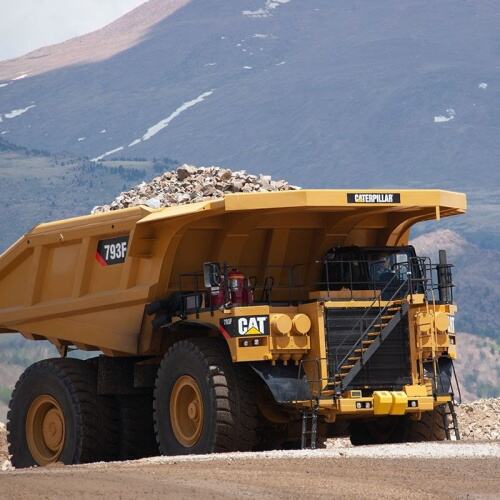
A mining radiator operates under some of the most punishing conditions found in any industrial environment. Constant exposure to fine dust, abrasive particles, and extreme heat creates a maintenance challenge that standard cooling equipment simply was not designed to handle. Without a disciplined maintenance approach, a mining radiator can fail rapidly, leading to overheating, unplanned downtime, and expensive equipment damage that stalls entire operations.
Understanding how to maintain a mining radiator correctly in dusty environments is not optional for operators who depend on heavy machinery. It is a core operational discipline that directly affects uptime, safety, and long-term cost efficiency. This guide walks through the essential maintenance practices, inspection routines, and protective measures that keep a mining radiator performing reliably despite relentless dust exposure.
Why Dust Is the Primary Threat to a Mining Radiator
How Dust Blocks Cooling Performance
Dust accumulation is the single greatest enemy of any mining radiator working in open-cut mines, tunnels, or quarry operations. Fine particles pack into the radiator core fins, creating a dense layer that dramatically reduces airflow. When airflow drops, heat cannot dissipate efficiently, and the mining radiator begins to operate above its optimal temperature range. Over time, this thermal stress weakens seals, degrades coolant, and accelerates metal fatigue throughout the entire cooling assembly.
In particularly dusty environments, a mining radiator can accumulate significant blockage within hours of cleaning. Operators must understand that dust buildup is not simply a surface problem. Fine silica and mineral dust can penetrate deep into the fin structure and form a compacted crust that compressed air alone cannot remove. A mining radiator core clogged in this way becomes a serious liability on any heavy machinery platform.
Secondary Damage Caused by Dust Contamination
Beyond blockage, dust causes corrosive and abrasive damage to a mining radiator over time. Moisture in mine air mixes with mineral dust to create acidic compounds that attack tube walls, fin coatings, and brazed joints. A mining radiator exposed to this environment without protective maintenance will show pitting and micro-cracking long before visible leaks appear. Catching these failure signals early is the difference between a scheduled repair and a catastrophic breakdown in the field.
Core Maintenance Routines for a Mining Radiator in Dusty Conditions
Scheduled Cleaning Protocols
Every mining radiator maintenance program must begin with a reliable cleaning schedule based on actual operating conditions. In low-dust environments, weekly inspections may be sufficient. In heavy dust zones, a mining radiator may require daily visual checks and more frequent deep cleaning. The standard approach involves first using low-pressure compressed air to blow dust from the exterior fins, always working from the clean side outward to avoid driving particles deeper into the core.
For a mining radiator with compacted dust layers, compressed air alone is not enough. A controlled water wash using a low-pressure spray and a pH-neutral cleaning solution is recommended. Avoid high-pressure washing directly on a mining radiator core, as the force can bend delicate fins and reduce airflow further. After washing, allow the mining radiator to dry fully before returning the equipment to service to prevent corrosion from trapped moisture.
Coolant Inspection and System Flushing
A clean exterior is only part of mining radiator maintenance. Internal coolant condition must be monitored regularly because degraded coolant loses its ability to transfer heat and protect metal surfaces. Test the coolant in each mining radiator for pH balance, inhibitor concentration, and contamination at least every 500 operating hours. Coolant that appears brown, cloudy, or contains visible sediment should be flushed immediately.
When flushing a mining radiator system, use a dedicated radiator flush solution followed by multiple clean-water rinse cycles before refilling with fresh coolant. Never mix coolant types in a mining radiator, as incompatible formulations can react to form sludge that clogs tubes and reduces flow. Proper coolant management extends the service life of a mining radiator significantly and reduces the risk of internal corrosion damage.
Seal and Tube Integrity Checks
The tubes and seals of a mining radiator endure constant vibration, thermal cycling, and chemical exposure. Each maintenance inspection should include a close visual check of all visible tube joints, seal surfaces, and hose connections. A mining radiator showing signs of weeping coolant, surface discoloration near joints, or cracked rubber seals needs immediate attention before the problem escalates into a full coolant leak under operating pressure.
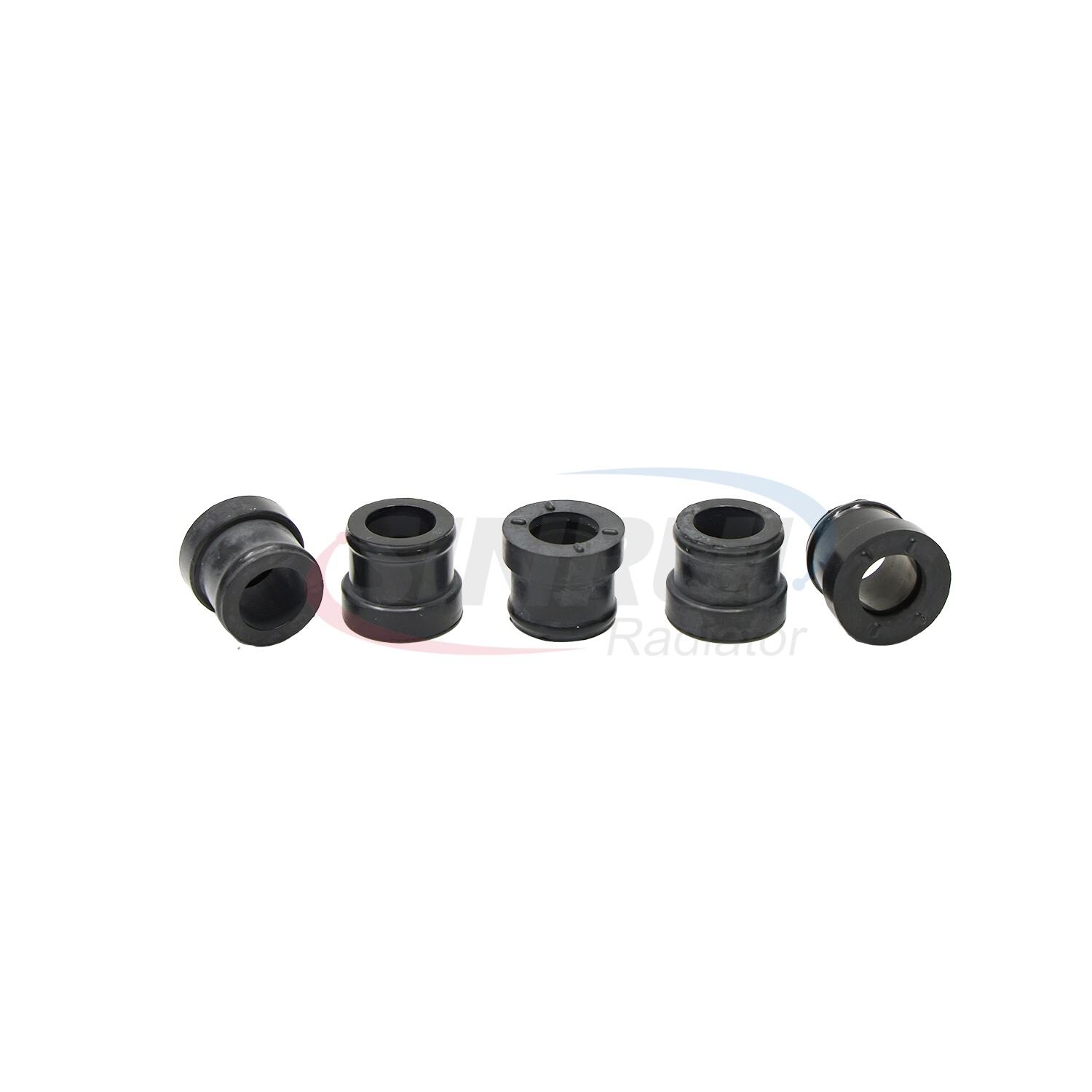
Replacing worn seals and compromised tube fittings on a mining radiator is a straightforward preventive measure that costs a fraction of what a full radiator replacement demands. Using seals and fittings specifically rated for mining radiator applications ensures compatibility with the heat, vibration, and chemical conditions involved. High-quality oil and air seal components designed for heavy machinery cooling systems provide the durability needed to maintain mining radiator integrity between major service intervals.
Protective Measures That Extend Mining Radiator Service Life
Pre-Filters and Dust Guards
Installing a pre-filter screen in front of a mining radiator is one of the most effective ways to reduce maintenance frequency in very dusty environments. Pre-filter systems intercept coarse particles before they reach the mining radiator core, keeping fin passages cleaner for longer. These screens are far easier and faster to clean than the mining radiator itself, and they add minimal restriction to airflow when maintained properly.
In extreme dust conditions, some operations enclose the mining radiator air inlet zone with a sealed housing that draws air from a cleaner source. While this adds complexity, it significantly reduces the contamination load on the mining radiator and can cut cleaning frequency in half. The choice of protection strategy should match the specific dust intensity and machinery layout of each site.
Vibration Management and Mounting Inspection
Mining machinery generates intense vibration that gradually loosens mounting brackets, fatigues brazed joints, and stresses the inlet and outlet connections of a mining radiator. Inspecting the mounting hardware of every mining radiator at each scheduled service visit is essential. Loose mounts allow a mining radiator to shift and flex in ways that crack tubes and fracture header tanks over time.
Anti-vibration isolators fitted between the mining radiator frame and machine chassis reduce transmitted shock significantly. These components wear with use and should be replaced whenever they show signs of compression set or cracking. A securely mounted mining radiator lasts far longer and maintains its seal integrity far better than one allowed to vibrate freely in a dusty mine environment.
FAQ
How often should a mining radiator be cleaned in a dusty mine environment?
The cleaning frequency for a mining radiator depends on dust intensity. In moderate conditions, a thorough cleaning every week is typically adequate. In heavy-dust operations, a mining radiator may need a visual inspection daily and a full cleaning every two to three days to prevent dangerous core blockage.
What type of coolant is best for a mining radiator?
A mining radiator should use a heavy-duty ethylene glycol coolant with corrosion inhibitors formulated for industrial applications. The coolant must be compatible with the metals in the mining radiator system, including aluminum, copper, and brass components. Always follow the machinery manufacturer recommendations and test coolant condition regularly.
Can a damaged mining radiator tube be repaired on-site?
Minor tube damage on a mining radiator can sometimes be addressed temporarily on-site using compatible plugging or sealing compounds designed for heavy machinery cooling systems. However, permanent repair of a mining radiator tube requires proper equipment and should be performed at a qualified service facility to ensure full pressure integrity and long-term reliability.