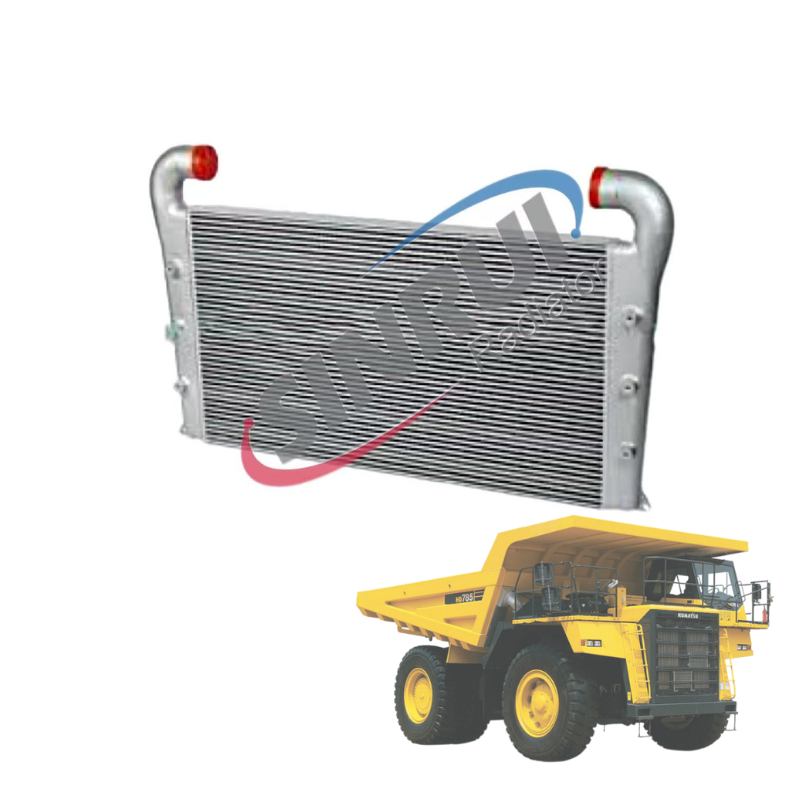
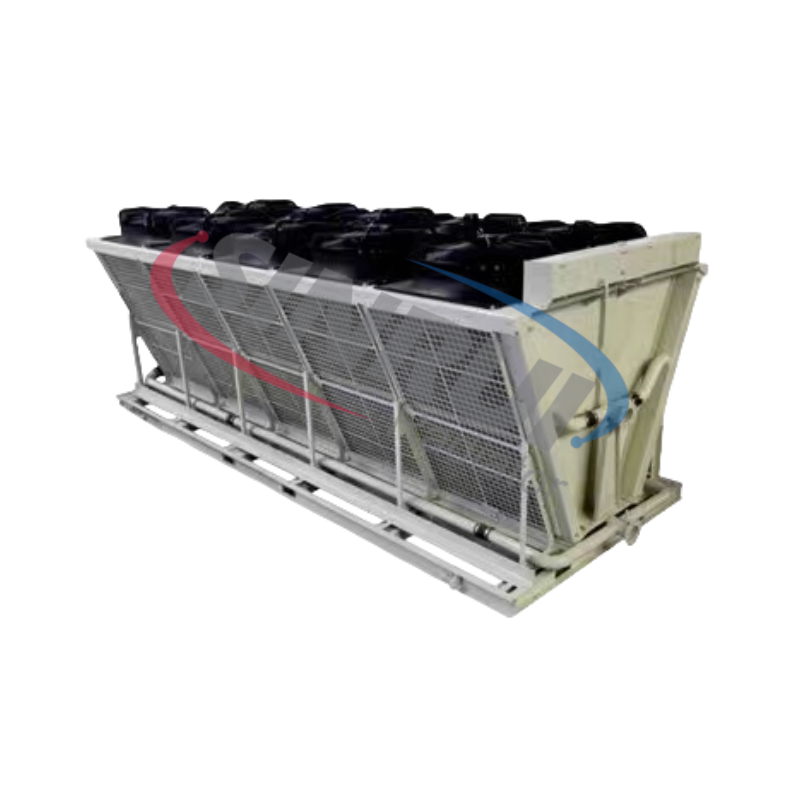
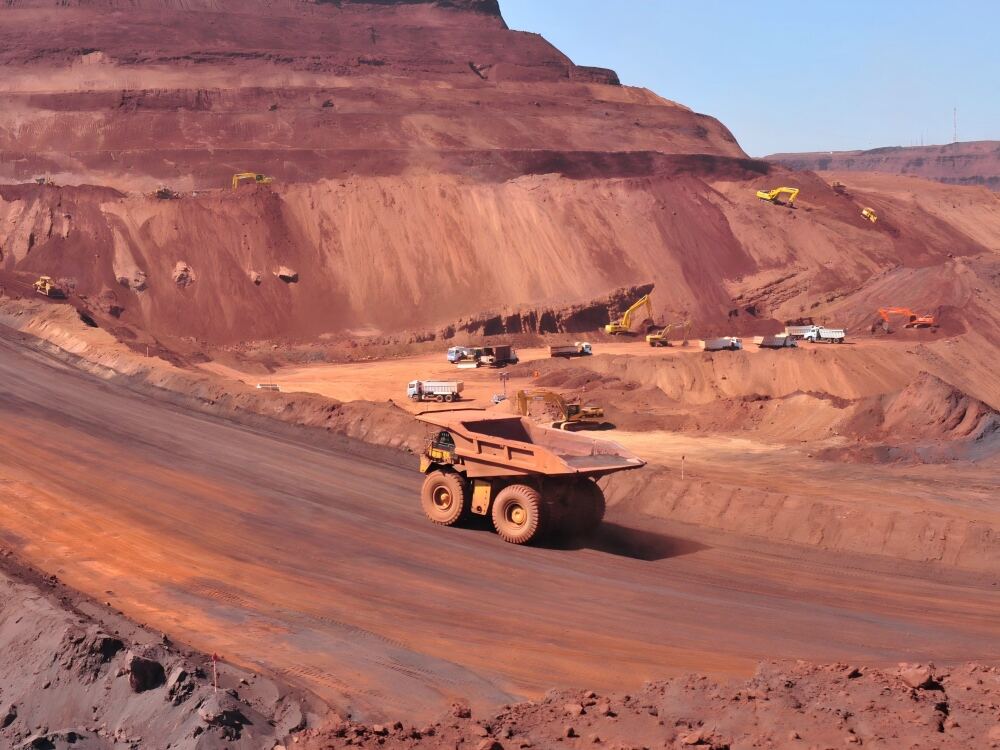
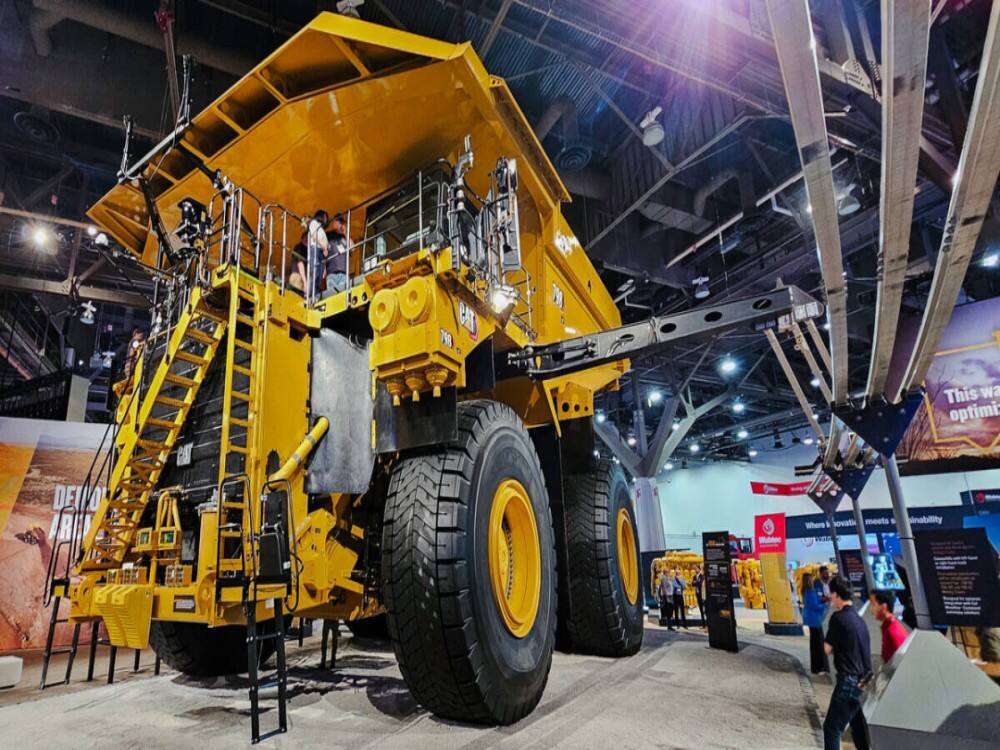
Key Differences between Mining Radiators and Standard Radiators:
Although mining radiator's primary function remains the same as a standard radiator – rejecting waste heat, mining radiators are specifically designed to operate in a hostile environment where the cost of failure is extremely high (e.g., downtime could exceed $1,000 an hour).
The following outlines additional functions and housing differences of mining radiators:
- Mining radiators must be able to withstand extreme physical and environmental abuse:
- Extreme Shock and Vibration: Mining haul trucks operate in very rough, uneven environments, meaning that the radiators must constantly endure severe shocks and vibrations without compromising the integrity of their solder joints or leaking coolant.
- Severe Corrosion: Mining radiators are exposed to highly abrasive dust (silica, ore), acidic mine water, and a salty environment in some cases. Materials and coatings used in the construction of mining radiators must be able to resist corrosion due to the environment in which they are used.
- Severe Debris Impact: Because mining haul trucks operate on very rocky surfaces, rocks that get kicked up by truck tires can impact mining radiators directly. As such, many mining radiators use a heavier-gauge guard screen or design their cores to be lowered to protect against debris impacts.
- Severe Temperature Variations: Mining radiators must be able to operate under extreme temperature conditions from desert heat to arctic cold and quickly cycle from high heat loads to cooling.
- Mining radiators must be able to handle extremely heavy thermal loads in conjunction with redundant cooling capabilities:
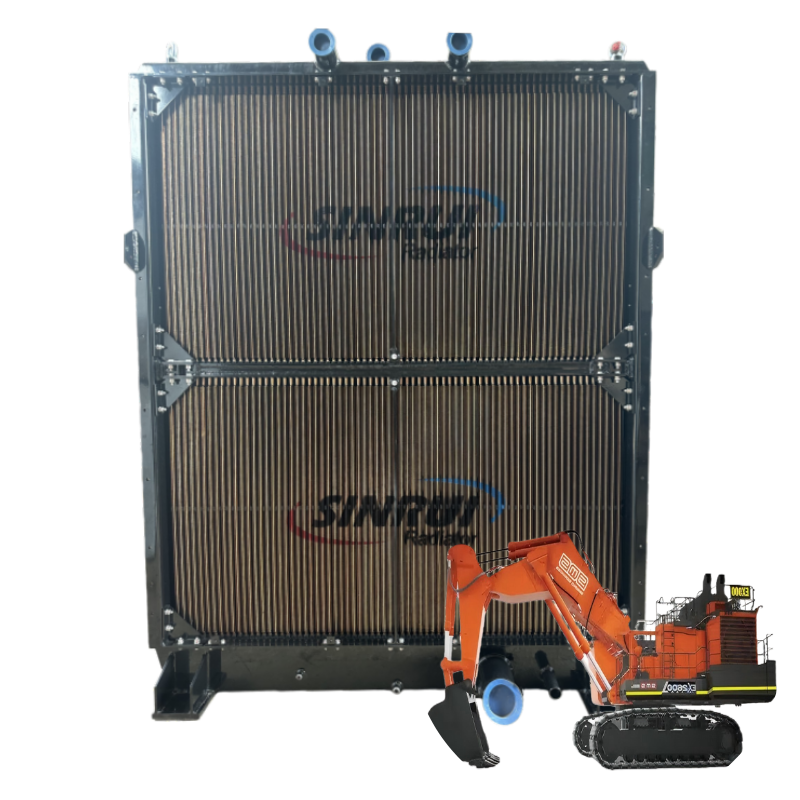
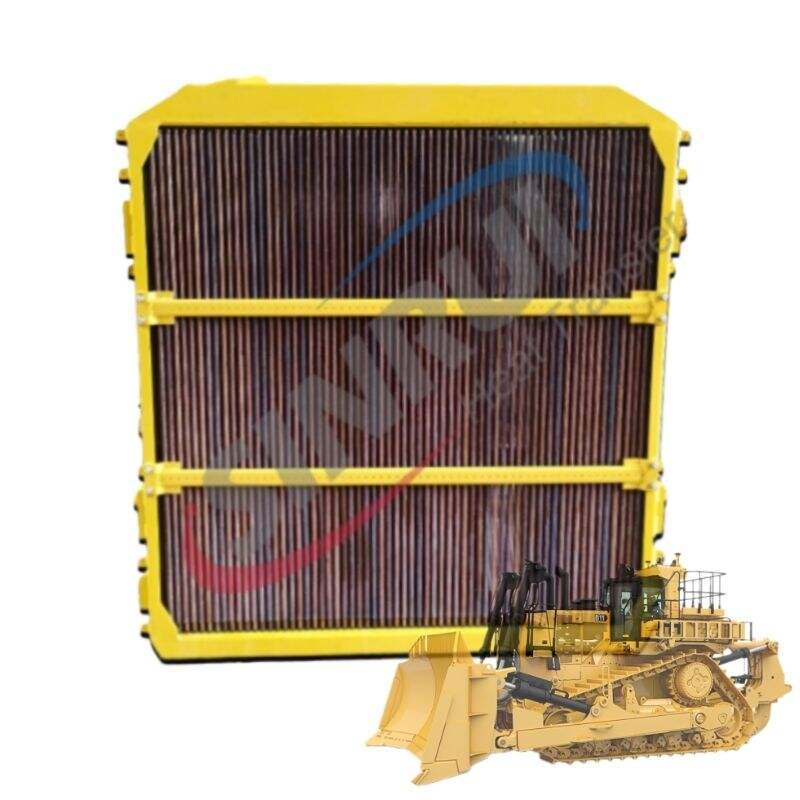
- Extremely Large Engines: Mining truck engines can develop greater than 3,000 horsepower, producing an enormous amount of waste heat that will ultimately require a very large radiator core. Most mining radiators use multiple independent circuits for cooling different components (engine, transmission, torque converter, hydraulic oil, retarder oil, rear axle oil, etc.).
- Redundant Systems: As such critical equipment may have multiple fans and multiple water pumps, some allowed partial redundancy for radiator sections protects the entire operation from going down if one component fails.
- High-Flow/High-Pressure Capabilities: Because of the extreme heat produced, mining radiator coolant systems are designed to carry coolant flowing at a much higher rate compared to their standard counterpart.
 EN
EN