 EN
EN
Why Mining Radiators Fail: Thermal Stress, Dust Ingress, and Vibration in Harsh Environments
Chronic Overheating in Open-Pit Haul Trucks Under High-Ambient Temperatures and Dust Loading
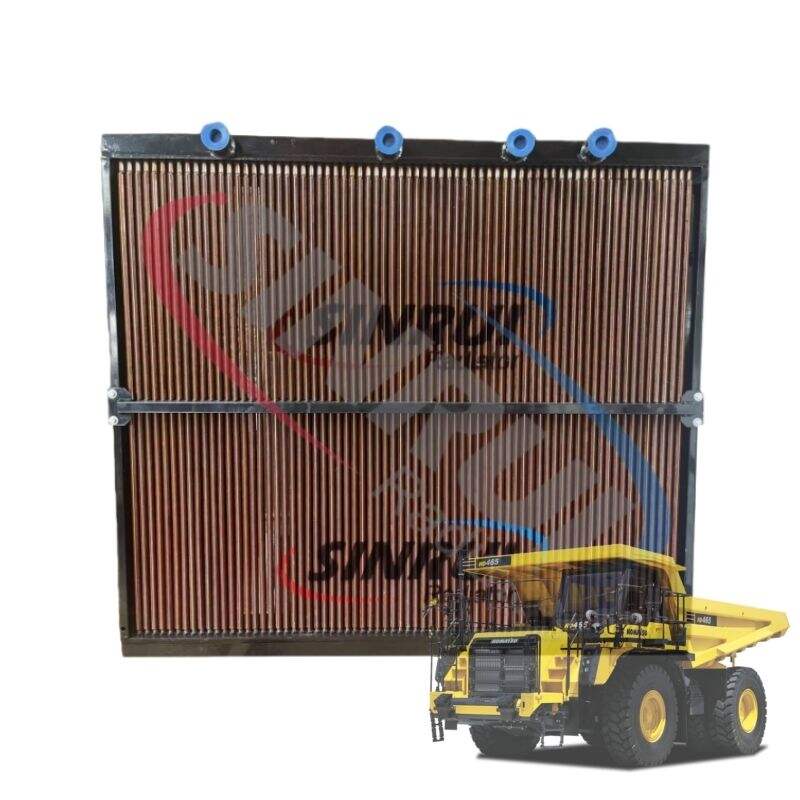
The open pit haul trucks face serious thermal challenges since temperatures regularly climb past 120 degrees Fahrenheit (about 49 Celsius) around mining operations. At the same time, thick clouds of dust filled with abrasive silica particles surround these machines while they work, creating insulating layers right on top of radiator systems. The combination hits cooling efficiency in several ways at once. First, all that dust blocks proper air flow through the radiators. Second, it gets stuck between the fin spaces, making heat transfer less effective. And third, engines have to run harder at higher RPMs just to compensate for the reduced cooling capacity. All this repeated heating and cooling puts pressure on solder connections and header tubes, while bumps and vibrations from rough ground speed up cracks in parts already weakened by heat fatigue. Maintenance records indicate that nearly 78 percent of early radiator failures happen in those hot summer months, clearly showing how environmental factors build up over time. Even regular cleaning doesn't help much once silica levels get above 20 grams per cubic meter in the air, because these tiny particles embed themselves deep into surfaces and keep interfering with normal heat dissipation processes.
How Fin-Clogging and Core Degradation Reduce Heat Transfer Efficiency by Up to 43%
The radiator fins act mainly as where convective heat actually gets transferred out but when mining dust starts accumulating on them, things go downhill fast. Dust particles get stuck between those metal fins creating kind of an insulating layer that cuts down how well heat moves through the material. We're talking about reductions in thermal conductivity somewhere around 15 to 30 percent after only about 500 hours of operation. The core problem gets worse in two different ways at once. First, there's galvanic corrosion happening because the dust holds onto moisture, which speeds up chemical reactions. Second, tiny bits of dirt flying at high speed hit the fin surfaces repeatedly causing physical wear over time. Combine both these issues together and industry research shows total heat transfer efficiency drops all the way down to 43%. The consequence? Engine temperatures climb anywhere from 22 degrees Fahrenheit to 12 degrees Celsius above what they should be normally. That means cylinder heads start warping faster and gaskets tend to fail sooner than expected. What makes this particularly frustrating is that deep seated dust doesn't come off easily with regular compressed air blasts. Most maintenance crews find themselves chasing after problems rather than stopping them before they happen, which is why keeping dust away in the first place matters so much more than trying to clean it later.
Mining Radiator Design Innovations for Extreme-Duty Diesel Engines
Staggered-Tube Aluminum Cores with Wide-Fin Spacing and Integrated Dust Shields
Mining radiators today fight dust buildup through clever arrangements of aluminum tubes set in staggered patterns. These layouts create just enough turbulence to boost heat transfer efficiency anywhere between 15 to 22 percent compared to old fashioned straight line setups. The fins are spaced out at around 3.5 to 4.2 millimeters apart, which stops dust particles from getting stuck together but still keeps everything sturdy even when subjected to intense vibrations well beyond 5G forces. Special polymer shields combined with labyrinth seals act as backup protection against dirt infiltration, cutting down core contamination issues by roughly half according to tests conducted in actual mines. What makes these new designs stand out is their ability to handle extreme temperature swings from 40 degrees Celsius all the way up to 125 without suffering tube fatigue, something that plagued older copper brass models. Plus, aluminum naturally resists corrosion better than most metals, so it lasts longer in those harsh underground environments where acidity levels often drop below pH 4.5 due to various chemical reactions happening in the rock formations.
Dual-Path Configurations with Isolated Oil Cooler Zones for Tier 4 Final Emission Compliance
Mining radiators designed for Tier 4 Final emissions typically feature separate cooling systems - one for engine coolant and another specifically for hydraulic oil. This separation keeps things clean when the aftertreatment system goes through its regeneration process, which can cause exhaust temps to jump around unexpectedly. Keeping those systems isolated protects the DEF (Diesel Exhaust Fluid) system from getting messed up. The oil coolers themselves work within a tight temperature range of about 88 to 92 degrees Celsius. This careful control cuts down on soot buildup in diesel particulate filters by roughly 30 percent over time. Another benefit comes from the parallel flow design that reduces pressure loss in the coolant system by about 18%. This allows manufacturers to install smaller pumps that actually save between 3 and 5% of engine horsepower. Field tests lasting 500 hours according to ISO 14396 mining standards showed these setups maintained proper thermal conditions about 97% of the time in real world operations.
Dust Mitigation Strategies That Preserve Airflow and Extend Mining Radiator Lifespan
The Intake Screen Paradox: Why 85% of Mining Radiator Failures Start at the Air Filter
What seems like a protective measure actually causes problems for many machines. The air intake screen that's supposed to guard radiators ends up responsible for around 85% of all dust related breakdowns in field operations. Mining dust particles so fine they're almost invisible get through regular filters pretty quickly, often cutting airflow down by nearly 40% after just 500 hours of running time. When this happens, engines start working harder in hotter conditions, which puts extra strain on radiator components. Dust builds up between those metal fins over time, making them less effective at cooling the system down. That explains why haul trucks keep overheating despite regular maintenance checks. Major equipment manufacturers have started using better filtration setups lately, adding electrostatic precipitators that cut down on dust entering the system by about two thirds. These improved systems maintain proper airflow without letting abrasive particles damage those delicate fin structures inside radiators. Field tests show these upgrades mean longer periods between required maintenance stops (about 300 additional hours) and save companies roughly seven hundred forty thousand dollars each year on replacement parts alone.
FAQ
Why do mining radiators fail in high-temperature environments?
Mining radiators fail due to chronic overheating caused by high ambient temperatures and dust loading, which affects their cooling efficiency.
How does dust affect a mining radiator's performance?
Dust clogs the radiator fins, reducing heat transfer efficiency by up to 43% and causing engine temperatures to rise.
What design innovations help extend the lifespan of mining radiators?
Innovations include staggered-tube aluminum cores with wide-fin spacing, integrated dust shields, and dual-path configurations for isolated oil cooler zones.
How effective are dust mitigation strategies for mining radiators?
Strategies like improved filtration systems and electrostatic precipitators significantly extend mining radiator lifespan by maintaining proper airflow.