 EN
EN
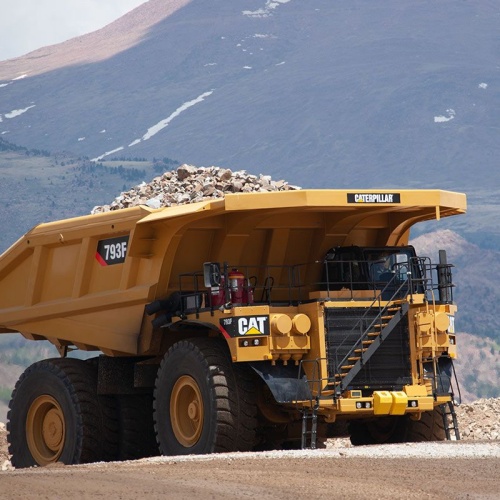
A well-maintained mining radiator is one of the most critical components keeping heavy machinery operational in demanding environments. Mining sites expose equipment to extreme temperatures, abrasive dust, chemical contamination, and relentless vibration — all of which accelerate wear on cooling systems. Without a structured inspection routine, a mining radiator can fail silently until the damage becomes catastrophic, triggering expensive unplanned downtime that disrupts entire production cycles.
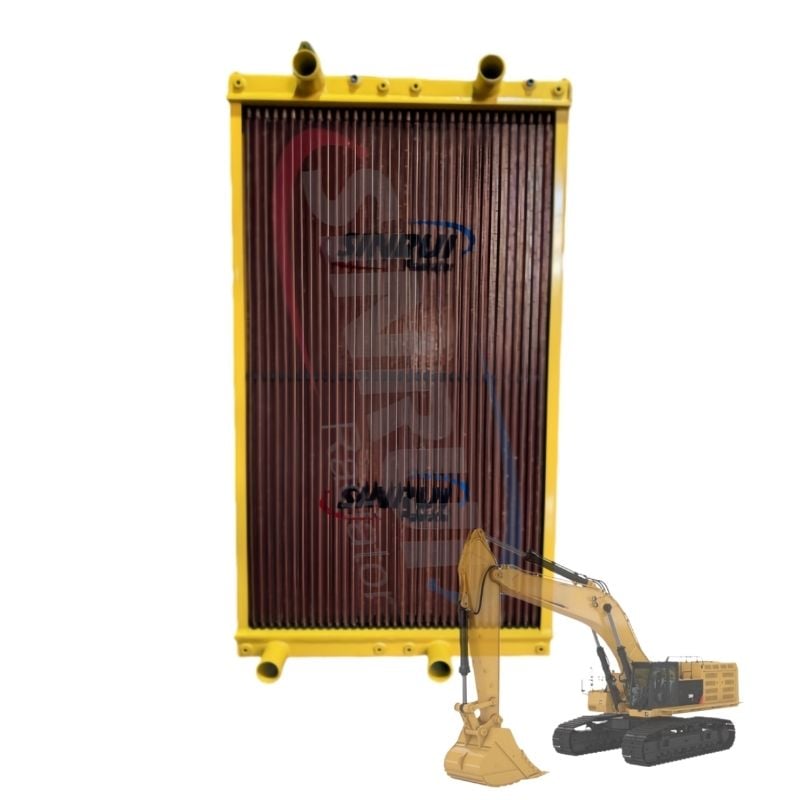
This checklist is designed specifically for maintenance teams and equipment managers who need a repeatable, practical process for evaluating every mining radiator on their fleet. By following these steps on a scheduled basis, your team can identify early warning signs, prioritize corrective action, and extend the service life of each mining radiator significantly. The checklist covers external condition, internal integrity, coolant quality, mounting hardware, and system performance — giving you a complete picture before problems escalate.
External Condition Checks for a Mining Radiator
Core and Fin Inspection
Begin every mining radiator inspection by examining the core and fins closely. Mining environments are notorious for packing debris, mud, and fine rock dust into the fin channels of a mining radiator, drastically reducing airflow and cooling efficiency. Look for bent, collapsed, or heavily corroded fins, as even partial blockage forces the mining radiator to work harder, raising operating temperatures across the entire system.
Use compressed air or a low-pressure water rinse to clear debris from the mining radiator core, always working in the direction opposite to normal airflow. After cleaning, check whether the fins spring back or remain deformed. If more than fifteen percent of the fin area on the mining radiator core is damaged or missing, schedule replacement rather than continuing to operate with reduced cooling capacity. Document the condition of each mining radiator core with photographs during every inspection cycle.
Tank, Seam, and Hose Assessment
The header tanks and seams of a mining radiator are high-stress points that crack under thermal cycling and vibration. Inspect the plastic or metal tanks of each mining radiator for hairline cracks, bulging, or discoloration that suggests heat stress. Pay close attention to the seams where the tank meets the core, as this is a common leak origin on any mining radiator that has accumulated significant operating hours.
Check all inlet and outlet hoses connected to the mining radiator for softness, hardness, cracking, or swelling. A hose that feels unusually stiff or spongy on the mining radiator circuit is already compromised and should be replaced during the same maintenance window. Tighten hose clamps to manufacturer specifications and confirm that no coolant residue, staining, or dried deposit is visible around the mining radiator connection points.
Internal Integrity and Coolant Quality
Pressure Testing the Mining Radiator
Pressure testing is a non-negotiable step in any thorough mining radiator inspection. Connect a calibrated pressure tester to the mining radiator fill neck and bring the system to the specified test pressure, typically listed in the equipment service manual. Hold the pressure for a minimum of two minutes while observing whether the mining radiator holds steady or shows a drop. Any pressure loss from the mining radiator points to an internal leak, compromised gasket, or micro-crack that visual inspection may have missed.
If the mining radiator fails a pressure test, remove it for bench testing or replacement rather than returning it to service. Operating a compromised mining radiator under full production load will worsen the fault rapidly and risk engine overheating. Record pressure test results, dates, and outcomes in your fleet maintenance log for every mining radiator in the inventory.
Coolant Condition and Concentration Check
The coolant circulating through the mining radiator directly affects heat transfer performance and internal corrosion resistance. Use a refractometer to verify that the coolant mixture in the mining radiator meets the required freeze and boil protection levels for your operating environment. Coolant that is too diluted will allow deposits to form inside the mining radiator tubes, while an overly concentrated mixture can accelerate corrosion in aluminum components.
Check the coolant color and clarity. Dark, murky, or oily coolant inside the mining radiator suggests oil contamination from a head gasket failure or internal crack, which requires immediate diagnosis. Replace coolant in the mining radiator at the manufacturer-recommended interval and flush the system thoroughly to remove accumulated scale and inhibitor breakdown products that reduce the efficiency of the mining radiator over time.
Mounting, Hardware, and System Performance
Vibration Mounts and Bracket Integrity
A mining radiator operates within one of the harshest vibration environments of any industrial application. Inspect every rubber isolation mount and bracket that secures the mining radiator to the machine frame. Cracked or compressed rubber mounts allow metal-to-metal contact, which transfers vibration directly to the mining radiator core and accelerates fatigue cracking at seams and tube joints.
Tighten all fasteners securing the mining radiator to specified torque values. Look for wear patterns on the mounting flanges that indicate the mining radiator has been shifting during operation, and replace worn isolators immediately. A properly supported mining radiator will outlast one that vibrates freely against its surroundings by a significant margin, making mount condition a top priority in the inspection process.
Fan, Shroud, and Airflow Path
The cooling fan and shroud direct airflow precisely through the mining radiator core. Inspect the fan for cracked blades, loose hub bolts, and excessive tip clearance between the fan and the mining radiator shroud. A damaged shroud allows air to recirculate rather than pass through the mining radiator, reducing effective airflow by a larger margin than most operators expect.
Verify that the fan belt or hydraulic fan drive connected to the mining radiator cooling circuit is functioning correctly. A slipping belt will reduce fan speed and cause the mining radiator to underperform even when its physical condition is good. After all checks, run the machine to operating temperature and confirm that the mining radiator maintains coolant temperature within the acceptable operating range as defined by the equipment manufacturer.
FAQ
How often should a mining radiator be inspected?
A mining radiator should receive a basic visual inspection daily or at every shift change, with a full checklist inspection completed every 250 to 500 operating hours depending on site conditions. Sites with high dust, mud, or chemical exposure may require more frequent mining radiator checks to prevent rapid blockage and corrosion buildup.
What are the most common causes of mining radiator failure?
The most common causes of mining radiator failure include core blockage from debris accumulation, coolant degradation leading to internal corrosion, vibration fatigue causing tube or seam cracks, and physical impact damage to the fins and tanks. Neglecting routine inspection allows these issues on a mining radiator to compound until failure occurs at the worst possible moment.
Can a partially blocked mining radiator cause engine damage?
Yes. Even a partially blocked mining radiator can restrict coolant flow and airflow enough to push engine operating temperatures above safe limits. Sustained overheating caused by a degraded mining radiator leads to head gasket failure, accelerated wear on cylinder liners, and in severe cases, irreversible engine damage that costs far more to repair than timely mining radiator maintenance would have required.