 EN
EN
Selecting the right mining radiator is one of the most consequential decisions a contractor can make on a large-scale site. Heavy haul trucks and earthmoving equipment operate under sustained thermal stress, and a poorly matched mining radiator can lead to overheating, unplanned downtime, and costly repairs. For contractors managing tight schedules and high operating costs, cooling system performance is not a secondary concern — it is a core operational priority that demands informed purchasing decisions.
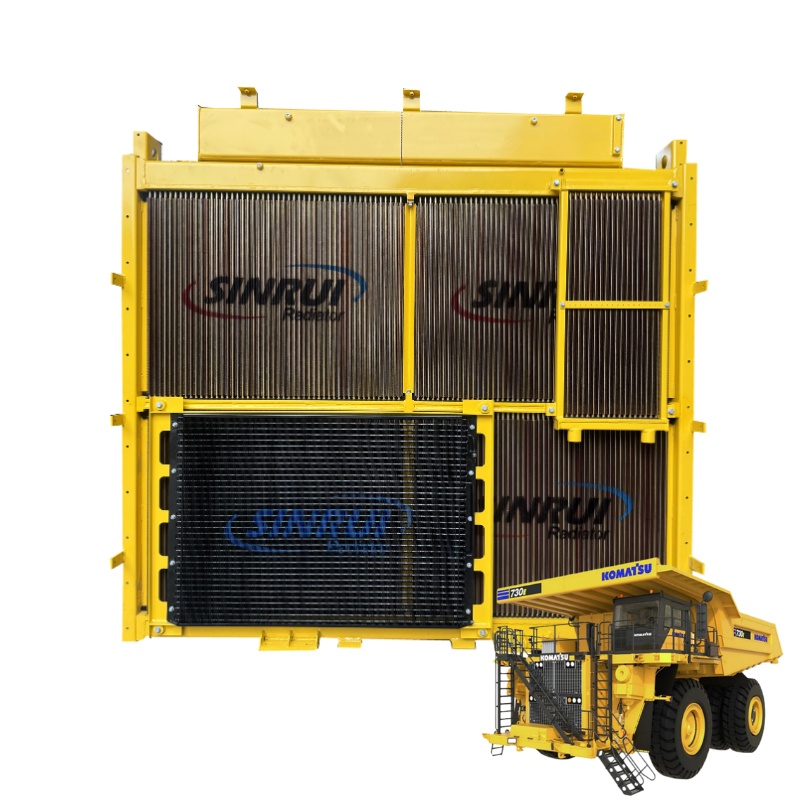
This guide walks through the most important factors mining contractors should evaluate when sourcing a mining radiator for their fleet. Whether you are replacing a worn unit on a Komatsu 730E haul truck or specifying cooling components for a new equipment deployment, understanding what separates a suitable mining radiator from a poor fit can save significant time and money across the life of your equipment. The tips in this article apply directly to contractors managing demanding environments, including open-pit operations, underground sites, and high-altitude mining conditions.
Matching the Mining Radiator to Equipment Specifications
Why OEM Compatibility Matters
Every mining radiator must be matched precisely to the engine displacement, coolant flow rate, and chassis mounting configuration of the target machine. A mining radiator that is undersized for the engine output will fail to maintain safe operating temperatures under full load, leading to thermal shutdown or accelerated wear on critical engine components. Always verify the OEM part reference number before procurement to ensure the mining radiator meets the original design requirements for that specific model.
For large haul trucks such as the Komatsu 730E, the mining radiator must handle extreme heat rejection volumes, especially when operating at high ambient temperatures. Contractors should request detailed specifications from suppliers, including core dimensions, row count, fin density, and pressure rating. A mining radiator with the correct core geometry will maintain coolant temperature within the design operating range even during continuous heavy-load cycles.
Cooling Core Construction and Material Quality
The construction quality of a mining radiator directly affects its service life and thermal efficiency. Brazed aluminum cores offer weight savings and good heat transfer, while copper-brass construction is known for durability and repairability in the field. Contractors working in remote locations where on-site welding repair may be necessary often prefer a copper-brass mining radiator because damaged sections can be repaired without specialized equipment. Evaluate the tube and fin design of any mining radiator to confirm it supports the heat rejection demands of your specific haul truck model.
Evaluating Mining Radiator Performance Under Site Conditions
Ambient Temperature and Altitude Considerations
A mining radiator rated for sea-level operations may perform differently at high-altitude sites where air density is lower. Reduced air density decreases convective cooling efficiency, which places greater thermal demand on the mining radiator core. Contractors operating at elevations above 2,000 meters should confirm with their supplier that the mining radiator has been validated for those conditions or has a suitably oversized core to compensate for the reduced cooling effect.
Dust loading is another critical factor that affects mining radiator performance. Fine particulate matter in open-pit environments blocks fin passages and reduces airflow through the core. A mining radiator with wider fin spacing is more resistant to clogging in dusty conditions, although this may slightly reduce base heat transfer efficiency. The right balance depends on the specific site environment, and contractors should discuss this trade-off directly with technically qualified suppliers before finalizing a mining radiator specification.
Pressure Rating and Coolant System Integrity
The pressure rating of a mining radiator must match or exceed the system design pressure of the target vehicle. Haul trucks operating under heavy load generate significant coolant pressure spikes, and a mining radiator with an inadequate pressure rating risks cap failure or core deformation. Confirm that every mining radiator you source carries a validated pressure test certification that corresponds to the operating range of your equipment. This is particularly important when sourcing aftermarket mining radiator units, where quality standards can vary significantly between suppliers.
Procurement and Installation Practices for Mining Radiators
Sourcing Reliable Aftermarket Mining Radiators
The aftermarket for mining radiator components has expanded significantly, giving contractors more procurement options than ever before. However, quality variance in the aftermarket mining radiator supply chain remains a real concern. Contractors should request full documentation from suppliers, including material certifications, dimensional inspection reports, and pressure test results. A reputable mining radiator supplier will be transparent about manufacturing standards and will provide traceability documentation on request.
When evaluating a mining radiator from an aftermarket source, compare the core specifications directly against the OEM data sheet. Pay close attention to tube wall thickness, since a mining radiator with thinner tubes may cost less upfront but will have reduced burst pressure tolerance and shorter service life under repeated thermal cycling. The total cost of ownership for a mining radiator should always factor in expected service interval, not just the purchase price.
Installation and Break-In Procedures
Proper installation is just as important as selecting the right mining radiator. Mounting brackets must be torqued to specification, and all hose connections should be checked for secure fit without tension or misalignment. A mining radiator that is mechanically stressed by improper mounting will develop micro-cracks at the header tanks over time, leading to slow coolant leaks that are difficult to diagnose until significant damage has occurred. Ensure that installation technicians are trained on the specific mounting requirements for the mining radiator being fitted.
During the first operating hours after installing a new mining radiator, monitor coolant temperature closely under varying load conditions. A new mining radiator should stabilize within the normal temperature band quickly if the coolant system has been properly flushed and refilled. Any persistent overheating after installation may indicate an airlock, a faulty thermostat, or a mismatch between the mining radiator specification and the actual engine output. Address these issues promptly to avoid premature failure of the new mining radiator.
FAQ
How do I know if a mining radiator is compatible with my haul truck model?
Check the OEM part number listed in your equipment service manual and cross-reference it with the mining radiator supplier's compatibility chart. Always verify core dimensions, coolant inlet and outlet positioning, and pressure rating to confirm a proper fit before installation.
What is the typical service life of a quality mining radiator in heavy haul applications?
A well-matched and properly maintained mining radiator in a heavy haul truck application typically lasts between 8,000 and 15,000 operating hours. Service life depends heavily on coolant quality, maintenance frequency, site conditions, and whether the mining radiator is correctly sized for the thermal load of the machine.
Can a mining radiator be repaired in the field if it develops a leak?
Copper-brass mining radiator units can often be repaired in the field using standard brazing techniques, making them a preferred choice for remote operations. Aluminum core mining radiator units require specialized welding equipment and are generally replaced rather than repaired on-site. Always carry a spare mining radiator core when operating in remote locations to minimize unplanned downtime.