 EN
EN
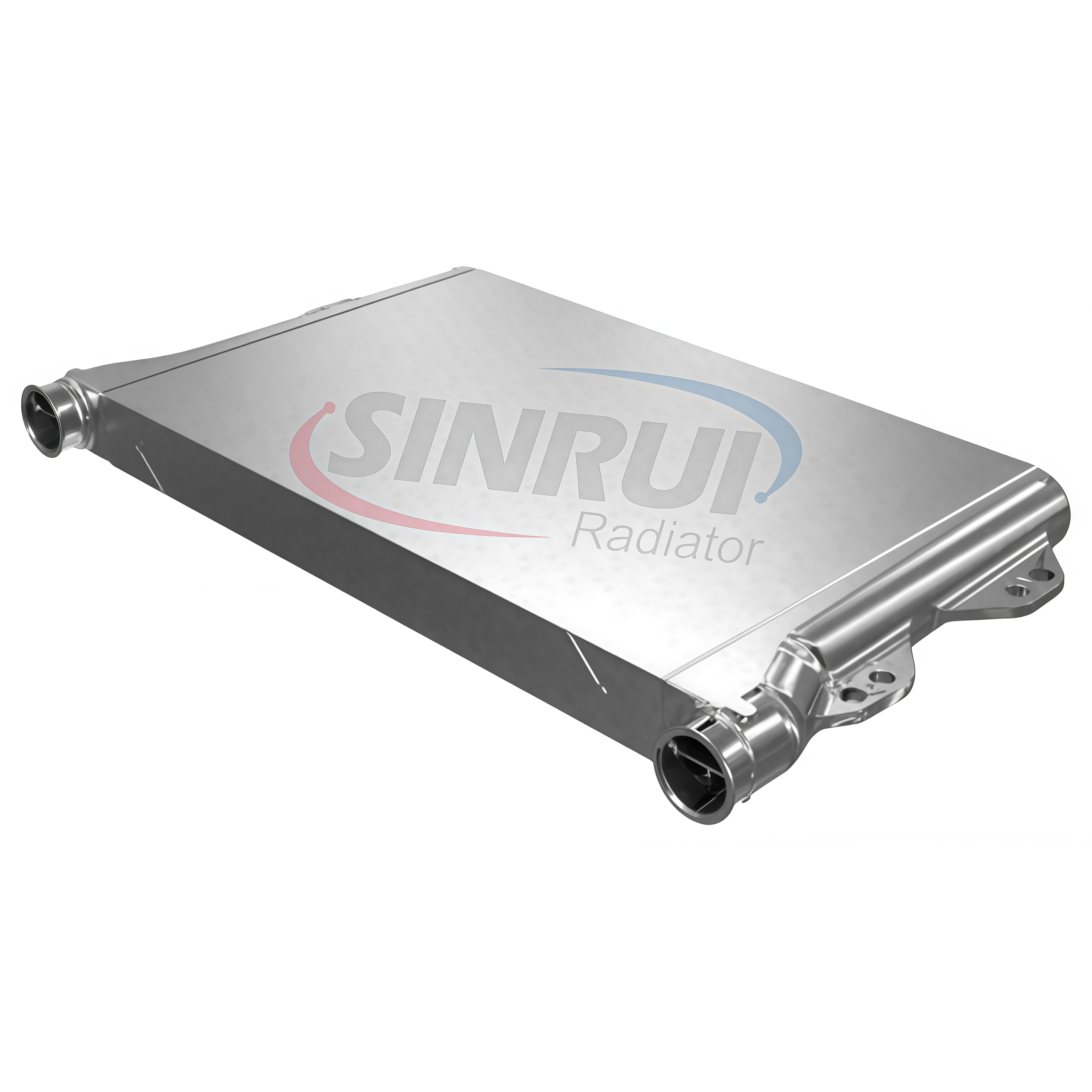
When selecting cooling solutions for industrial equipment, the choice between aluminum radiators and copper ones significantly impacts operational efficiency and long-term costs. Aluminum radiators have emerged as a superior alternative in many applications, offering distinct advantages that extend beyond initial purchase price. Understanding these benefits helps equipment owners and facility managers make informed decisions about their thermal management infrastructure.
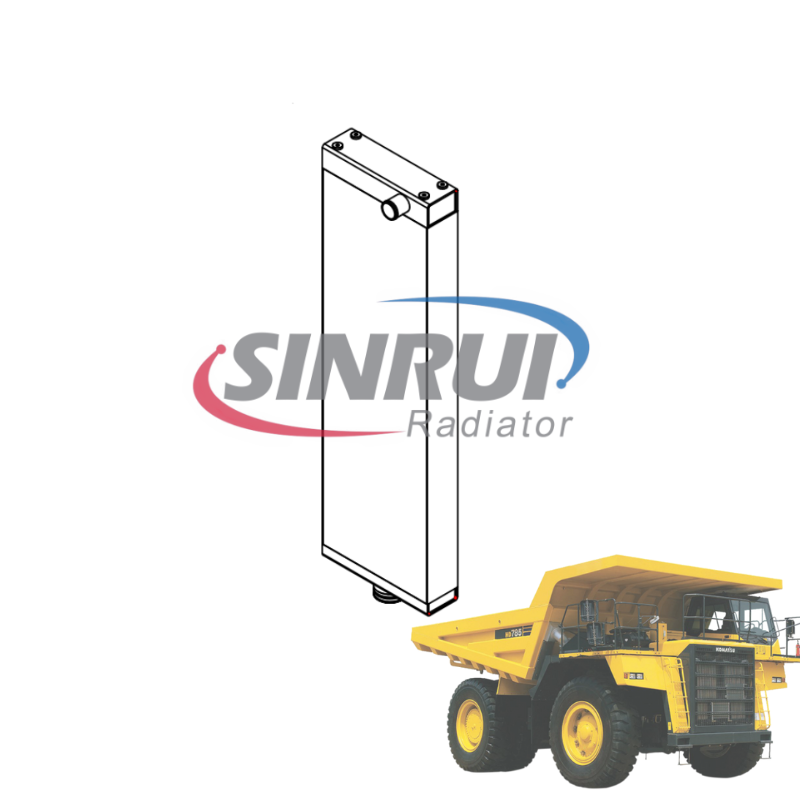
The performance characteristics of aluminum radiators demonstrate why they have gained substantial market adoption across mining, construction, and industrial sectors. Aluminum radiators deliver reliable thermal dissipation while addressing practical concerns that copper alternatives present. This article explores the comprehensive benefits of aluminum radiators and explains why they represent the optimal choice for modern cooling applications.
Superior Thermal Efficiency and Heat Transfer
Rapid Cooling Capabilities of Aluminum Radiators
Aluminum radiators excel at rapid heat dissipation due to aluminum's exceptional thermal conductivity properties. The material efficiently transfers heat from the coolant to the surrounding air, enabling aluminum radiators to maintain optimal operating temperatures under demanding conditions. This rapid cooling capability means equipment experiences less thermal stress and maintains consistent performance during intensive operations. Industrial applications such as heavy machinery and high-powered engines benefit significantly from the cooling efficiency that aluminum radiators provide.
Consistent Performance in Varied Operating Conditions
Aluminum radiators maintain steady thermal performance across diverse environmental conditions, from extreme heat to cold climates. The material's thermal stability ensures aluminum radiators function reliably whether equipment operates in scorching desert conditions or freezing environments. This consistency translates to predictable cooling performance, allowing operators to rely on aluminum radiators for mission-critical equipment. Equipment managers appreciate the dependability that aluminum radiators offer, as thermal performance remains stable throughout the equipment's service life.
Weight Reduction and Operational Advantages
Lightweight Construction Benefits
Aluminum radiators weigh significantly less than copper alternatives, creating substantial operational advantages across mobile and stationary equipment. The reduced weight of aluminum radiators decreases the overall mass that engines and support structures must handle, improving fuel efficiency and reducing mechanical stress. For mobile equipment like mining trucks and construction vehicles, the lighter weight of aluminum radiators contributes to better acceleration, improved traction, and extended tire life. Operators benefit from enhanced equipment responsiveness, while facility owners observe measurable reductions in fuel consumption when aluminum radiators replace heavier copper cooling systems.
Installation and Maintenance Simplification
The lightweight nature of aluminum radiators streamlines installation processes and reduces labor time requirements. Technicians can install aluminum radiators more quickly and safely compared to handling heavy copper units, lowering service costs and minimizing equipment downtime. Maintenance procedures become simpler when working with lighter aluminum radiators, as technicians experience less physical strain during repairs and replacements. The reduced installation complexity means facility managers can schedule maintenance more efficiently, keeping equipment operational and productive throughout production cycles.
Cost-Effectiveness and Economic Value
Lower Purchase and Lifecycle Costs
Aluminum radiators typically cost less than copper equivalents, providing immediate budgetary advantages while delivering superior performance. The affordability of aluminum radiators allows equipment owners to allocate resources to other critical operational needs. Beyond initial purchase savings, aluminum radiators offer favorable lifecycle economics through improved fuel efficiency and reduced maintenance requirements. When calculating total cost of ownership, aluminum radiators consistently outperform copper alternatives, making them the financially prudent choice for budget-conscious operations.
Durability and Extended Service Life
Modern aluminum radiators feature advanced corrosion-resistant coatings and manufacturing techniques that ensure extended service life comparable to or exceeding copper options. The durability of aluminum radiators means facility owners experience longer intervals between replacements, reducing capital expenditures over time. Quality aluminum radiators incorporate protective treatments that prevent corrosion and degradation, maintaining thermal efficiency throughout their operational lifespan. This combination of affordability and longevity establishes aluminum radiators as excellent long-term investments for industrial equipment.
Environmental and Application Flexibility
Environmental Advantages and Sustainability
Aluminum radiators support sustainability initiatives through reduced material consumption and lower environmental impact compared to copper mining and processing. The lightweight construction of aluminum radiators decreases fuel consumption, directly reducing carbon emissions from equipment operation. Recycling aluminum radiators presents environmental and economic benefits, as aluminum maintains value in recycling streams. Organizations committed to sustainability find aluminum radiators align with corporate environmental goals while delivering operational performance improvements.
Versatility Across Equipment Types
Aluminum radiators accommodate diverse equipment specifications and power ranges, from compact stationary systems to large mobile mining operations. The adaptability of aluminum radiators enables manufacturers to design cooling solutions for virtually any industrial application. Whether cooling hydraulic systems, engine coolant circuits, or specialized industrial processes, aluminum radiators provide the thermal management performance required. This versatility ensures aluminum radiators remain suitable across evolving industrial applications and equipment configurations.
FAQ
How do aluminum radiators compare to copper radiators in terms of thermal conductivity?
Aluminum radiators deliver superior thermal conductivity performance despite copper's theoretical thermal advantages. Modern aluminum radiators achieve better practical heat dissipation through optimized design and larger surface areas, compensating for aluminum's slightly lower thermal conductivity coefficient. The engineering of aluminum radiators maximizes heat transfer efficiency, often surpassing copper solutions in real-world industrial applications. Thermal testing consistently demonstrates that aluminum radiators maintain lower coolant temperatures than comparable copper units under identical operating conditions.
Why are aluminum radiators more cost-effective than copper options?
Aluminum radiators cost less due to lower raw material prices and more efficient manufacturing processes compared to copper. The abundance of aluminum and established production infrastructure reduce manufacturing expenses for aluminum radiators. Additionally, the lightweight nature of aluminum radiators decreases shipping and installation costs while improving fuel economy throughout equipment lifespan. When accounting for reduced maintenance requirements and extended service intervals, aluminum radiators deliver substantial economic advantages over their entire operational lifetime.
Can aluminum radiators withstand harsh industrial environments?
Aluminum radiators excel in harsh industrial environments when manufactured with proper corrosion-resistant coatings and protective treatments. Modern aluminum radiators incorporate advanced materials and surface engineering that prevent degradation in extreme temperatures, high-pressure conditions, and corrosive chemical exposures. Quality manufacturing processes ensure aluminum radiators maintain structural integrity and thermal performance even in demanding mining, construction, and marine applications. Properly engineered aluminum radiators routinely exceed service life expectations in the most challenging operational environments.