 EN
EN
Engine longevity in mining operations depends critically on thermal management, and a premium mining radiator serves as the backbone of this essential function. Heavy equipment operating in demanding mining environments faces extreme heat generation from continuous operation under load, dusty conditions, and sometimes remote locations with limited maintenance access. A high-quality mining radiator is engineered to handle these challenges by maintaining optimal coolant temperatures, preventing overheating, and ultimately extending engine life significantly. Understanding how a premium mining radiator achieves this requires examining its design principles, operational mechanics, and measurable impact on engine durability.
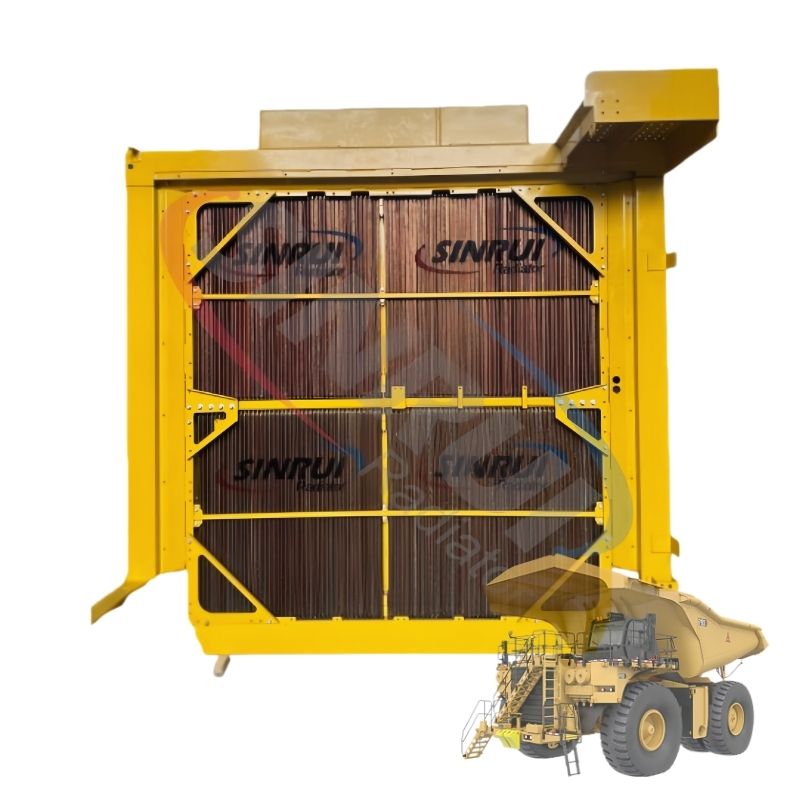
The relationship between thermal control and engine lifespan is well-established in industrial engineering. When a mining radiator fails to manage heat effectively, internal engine components degrade at an accelerated rate, leading to increased maintenance costs, unexpected downtime, and shortened asset life. Investing in a premium mining radiator therefore represents a strategic decision that directly affects operational profitability and equipment reliability across mining fleets.
Advanced Cooling Capacity and Heat Dissipation
Superior Core Design and Material Engineering
A premium mining radiator incorporates advanced core designs that maximize surface area for heat exchange while maintaining structural integrity under high pressures. The radiator core typically features multiple parallel tubes with aluminum fins that create turbulent coolant flow patterns, enhancing heat transfer efficiency. Unlike standard radiators, a premium mining radiator uses reinforced materials and welding techniques specifically designed to withstand the vibration, thermal cycling, and pressure fluctuations common in mining equipment. This engineering approach ensures that the mining radiator maintains consistent cooling performance over thousands of operating hours without degradation.
Coolant Flow Optimization and Pressure Management
Effective heat dissipation depends on controlled coolant circulation rates and stable internal pressure, which a premium mining radiator manages through precision engineering. The mining radiator's internal passages are designed to eliminate dead zones where coolant might stagnate, ensuring every section of the core participates in heat removal. Advanced thermostatic valve integration within the mining radiator regulates coolant temperature setpoints, preventing thermal shock and ensuring the engine operates within its optimal temperature band. This precision thermal management protects critical engine components like cylinder heads, pistons, and bearing surfaces from the thermal stress that would otherwise accelerate wear and failure.
Enhanced Durability in Extreme Mining Conditions
Dust, Contamination, and Airflow Resistance
Mining environments present unique challenges that compromise standard cooling systems, yet a premium mining radiator is specifically engineered to resist these hazards. Dust accumulation on radiator fins is inevitable in open-pit and underground mining operations, and a premium mining radiator features deeper fin spacing and enhanced cleaning access to mitigate this issue. The core construction of a mining radiator incorporates corrosion-resistant coatings and materials that withstand acidic dust, salt spray, and mineral-laden air without compromising thermal conductivity. Additionally, a premium mining radiator design allows for easier cleaning procedures, enabling maintenance teams to restore cooling efficiency without complete replacement, thereby reducing long-term operational expenses.
Structural Integrity Under Continuous Load Cycles
Heavy mining equipment experiences constant vibration, temperature fluctuations between extremes, and variable pressure conditions that stress cooling components. A premium mining radiator is built with reinforced tank designs, multi-point mounting systems, and vibration-dampening construction that prevents micro-fractures and leak development. The mining radiator's header tanks and core connections use proprietary welding techniques and seal materials that maintain integrity over extended service intervals. This structural robustness means a mining radiator continues performing reliably even after years of operation in conditions that would compromise lesser cooling systems, directly translating to longer engine life and lower replacement frequency.
Measurable Impact on Engine Component Longevity
Thermal Stability and Internal Component Protection
Engine cylinders, pistons, and cylinder liners degrade when exposed to temperature fluctuations and sustained overheating, but a premium mining radiator maintains consistent thermal conditions that preserve these critical components. By maintaining coolant temperatures within the engine manufacturer's specified range, a mining radiator prevents thermal expansion stress that causes gasket failures, cracks in cast iron components, and degradation of sealing surfaces. Premium mining radiator performance ensures that bearing surfaces receive adequate lubrication and protection, reducing friction wear and extending bearing life significantly. Data from mining fleet operators demonstrates that engines equipped with high-quality mining radiators experience 30 to 50 percent longer overhaul intervals compared to engines with standard cooling systems.
Reduced Maintenance Costs and Equipment Availability
When a mining radiator prevents thermal-related engine failures, the total cost of ownership decreases substantially because fewer unexpected repairs occur and equipment remains operational. A premium mining radiator's reliability means mining operations experience fewer emergency service calls, reduced parts replacement due to thermal damage, and extended intervals between major engine rebuilds. The improved cooling performance of a premium mining radiator translates directly into higher equipment availability rates, allowing mining operations to maximize production and meet contractual commitments consistently. Investment in a quality mining radiator therefore pays dividends through reduced downtime, predictable maintenance schedules, and lower overall fleet operating costs.
FAQ
Why is a mining radiator more important in harsh mining environments than standard industrial cooling?
Mining environments expose equipment to extreme dust, temperature variations, remote locations with limited service access, and continuous high-load operation. A mining radiator must handle these specific stressors while maintaining thermal performance without frequent replacement or failure. Standard radiators lack the specialized design features, materials, and construction methods that enable a mining radiator to operate reliably under these conditions, making a premium mining radiator essential for engine protection in mining applications.
How often should a mining radiator be serviced or replaced in active mining operations?
A premium mining radiator can typically provide effective service for 5 to 10 years or 5,000 to 10,000 operating hours, depending on operating conditions and maintenance practices. Regular cleaning, coolant inspections, and leak checks extend mining radiator service life significantly. The mining radiator should be inspected annually during equipment maintenance programs, and any signs of reduced cooling capacity, leaks, or performance degradation warrant professional evaluation or replacement to prevent engine damage.
Can a mining radiator be repaired if it develops leaks, or must it be replaced entirely?
Minor leaks in a mining radiator can sometimes be addressed through professional repair services, including re-welding tank seams or replacing failed seals. However, a premium mining radiator that has experienced significant corrosion, structural cracks, or major leaks should be replaced rather than repaired to ensure reliable thermal performance and prevent catastrophic engine failure. A qualified technician can assess whether a mining radiator is suitable for repair or replacement based on damage extent and operational criticality.