 EN
EN
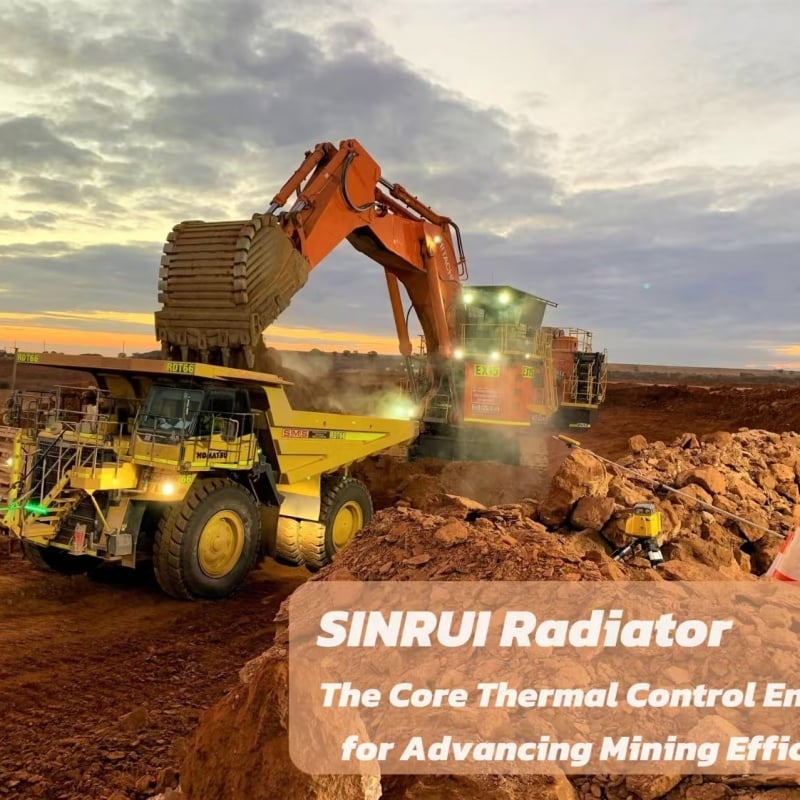
A mining radiator is the critical thermal management component that keeps heavy equipment operating safely under the most demanding conditions. In open-pit and underground mining operations, equipment faces extreme temperatures, dust, and continuous high-load usage that push cooling systems to their limits. Understanding how a mining radiator prevents overheating is essential for operations managers, maintenance teams, and equipment buyers who depend on reliable performance in remote, harsh environments where equipment failure translates directly to production loss and safety risk.
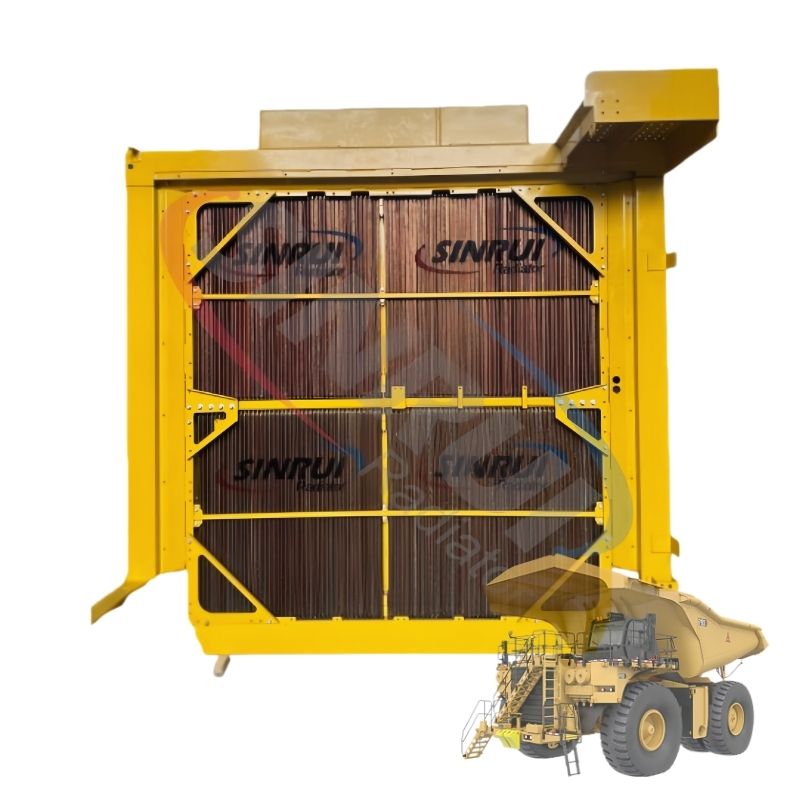
The design and engineering behind a mining radiator reflects decades of industrial experience addressing thermal challenges unique to the sector. Large mining vehicles, excavators, and haul trucks operate in environments where ambient temperatures already exceed 50 degrees Celsius, combined with engines running at maximum load for extended periods. A properly functioning mining radiator transfers this accumulated heat away from the engine block, coolant system, and transmission, maintaining optimal operating temperatures that preserve engine longevity and prevent catastrophic failure.
How a Mining Radiator Dissipates Extreme Heat
Core Heat Exchange Mechanism in Mining Radiator Design
A mining radiator operates through forced convection heat transfer, where engine coolant circulates through a network of aluminum or copper tubes while ambient air flows across cooling fins. The surface area created by this design multiplies the contact between hot coolant and cool air, enabling rapid heat dissipation. In large mining equipment, this mining radiator sits at the front of the vehicle where maximum airflow reaches the core, whether through natural vehicle motion or engine-driven cooling fans. The enlarged fin density and tube count in a heavy-duty mining radiator far exceed standard industrial radiators, addressing the higher heat loads specific to mining applications.
Coolant Circulation and Flow Rate Management
Engine coolant flow through a mining radiator must remain balanced across all internal passages to ensure uniform heat pickup and transfer. A thermostat regulates this flow by opening and closing based on coolant temperature, preventing overcooling during startup and directing excess volume back to the mining radiator when temperatures rise. In mining operations where equipment runs continuously for twelve-hour shifts or longer, this circulation cycle operates thousands of times, making robust internal passages and corrosion resistance essential characteristics of a quality mining radiator. The pressure relief valve built into the mining radiator cap maintains system integrity by venting excess pressure before seals fail.
Structural Components That Enable Mining Radiator Reliability
Material Selection and Durability Standards
Heavy-duty mining radiator construction prioritizes aluminum cores paired with brass or copper tanks, materials chosen for their thermal conductivity and resistance to chemical degradation. The mining radiator must withstand vibration from rough terrain, thermal cycling that expands and contracts components repeatedly, and exposure to mining-specific contaminants including diesel exhaust residue, dust, and airborne particles. Quality mining radiator manufacturers employ tube-and-fin construction methods that fuse individual components into a unified structure, eliminating solder joints that weaken under repeated thermal and mechanical stress. This assembly approach ensures a mining radiator maintains pressure integrity across hundreds of thousands of operating hours.
Dust and Contaminant Filtration Integration
Mining environments introduce external contamination that clogs radiator fins and reduces cooling efficiency if not actively managed. A premium mining radiator design incorporates pleated fin structures that resist dust accumulation and integrates with precooler or particulate bypass systems that remove larger debris before coolant enters the main mining radiator core. Regular maintenance cleaning removes fine dust buildup from external fin surfaces, preventing the insulating layer effect that traps heat around cooling surfaces. Mining operators who neglect this maintenance see their mining radiator performance degrade within weeks, leading to rising engine temperatures and reduced equipment power output.
Overheating Prevention Through Integrated System Design
Temperature Monitoring and Sensor Integration
Modern mining equipment pairs the mining radiator with engine temperature sensors and dashboard monitoring systems that alert operators to cooling system problems before overheating occurs. These sensors detect rising coolant temperatures that signal cooling fan engagement, thermostat malfunction, or mining radiator performance degradation. Advanced systems log temperature data throughout the work shift, enabling maintenance teams to predict when a mining radiator requires servicing or replacement. Early warning capability prevents the complete engine failure scenario where a mining radiator suddenly loses cooling capacity during peak operation.
Redundancy and Failsafe Cooling Strategies
Large haul trucks and excavators in critical mining operations employ redundant cooling circuits where a secondary mining radiator activates if primary coolant temperature exceeds safe limits. This engineered redundancy prevents catastrophic overheating if the main mining radiator develops a leak or internal blockage during operation. Some mining operations deploy portable mining radiator units that can be rapidly deployed to equipment stranded in field conditions, providing emergency cooling access while replacement components arrive. This layered approach to mining radiator system design reflects the high cost of downtime and the safety risks of equipment failure in remote mining sites.
FAQ
What happens to equipment when a mining radiator fails?
When a mining radiator fails or loses cooling capacity, engine coolant temperature rises rapidly, causing thermal expansion of engine block metal. This thermal stress warps cylinder heads, cracks block castings, and scores piston rings, leading to complete engine seizure. In mining operations, a single equipment failure can disrupt production workflows involving coordinated vehicle movements, halt material processing, and strand personnel in remote sites. Recovery costs from mining radiator failure often exceed the cost of preventive maintenance by factors of ten or more.
How frequently should a mining radiator be inspected?
Mining radiator inspection should occur during every scheduled maintenance interval, typically every 250 to 500 operating hours depending on site conditions and manufacturer guidance. Visual inspection identifies external fin damage, coolant leaks, corrosion buildup, or dust accumulation that compromises mining radiator function. Pressure testing of the mining radiator system detects internal leaks or seal degradation before catastrophic failure occurs. In extreme mining environments with high dust concentrations, increased inspection frequency ensures the mining radiator remains optimal.
Can a mining radiator be repaired or must it always be replaced?
Minor mining radiator repairs including resealing end tanks or replacing gaskets can extend equipment life economically in some cases. However, internal tube corrosion, fin separation, or structural cracking in a mining radiator typically requires complete replacement rather than repair attempts. Specialized radiator shops can re-core a damaged mining radiator by replacing internal components while retaining the external tank structure, offering a middle-cost option between full replacement and failure risk. For mission-critical mining operations, maintaining spare mining radiator assemblies on site eliminates repair delays and keeps equipment running continuously.