 EN
EN
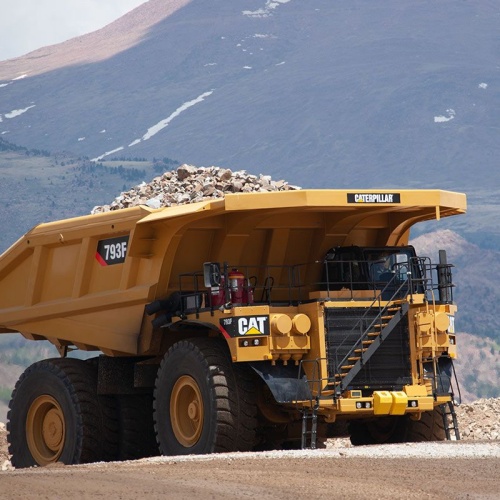
Selecting the right mining radiator design is critical for maintaining optimal engine performance in high-demand hauling operations. The efficiency of a mining radiator directly impacts fuel consumption, maintenance costs, and equipment uptime across your fleet. In harsh mining environments where temperatures soar and equipment runs continuously, the cooling system becomes the foundation of operational reliability and cost management.
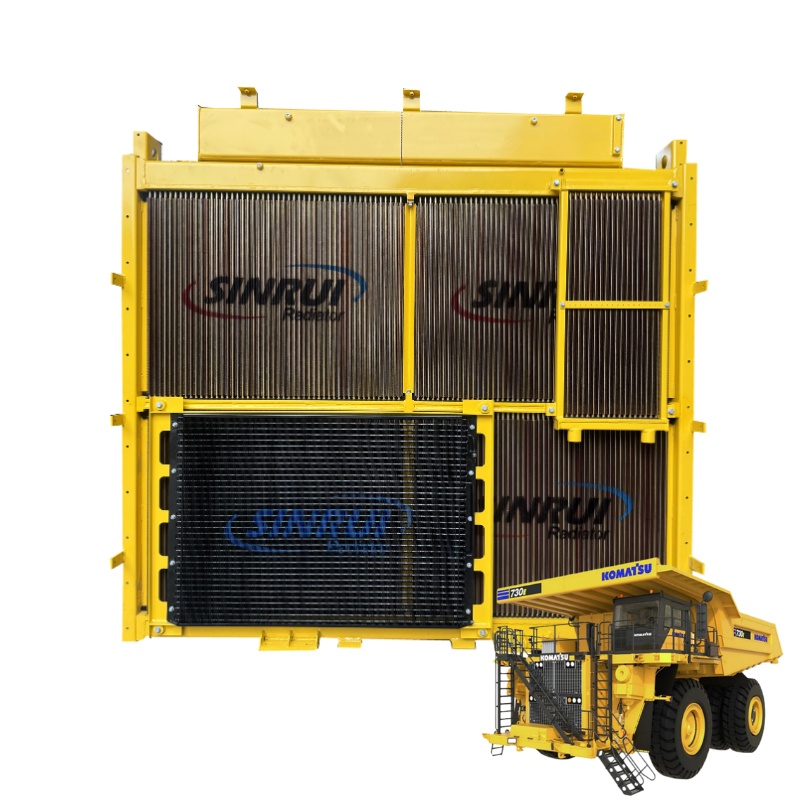
A superior mining radiator design combines advanced thermal engineering with practical durability for pit and underground operations. Heat transfer performance depends on core construction, fin geometry, material composition, and airflow dynamics. Understanding these design factors helps mining operators identify which mining radiator technology delivers the best long-term value and prevents costly downtime.
Core Design Elements That Drive Mining Radiator Performance
Fin Geometry and Density in Mining Radiator Construction
The fin design of a mining radiator fundamentally determines how effectively the cooling core transfers heat from engine coolant to ambient air. Modern mining radiator cores use varied fin pitch and thickness to balance cooling capacity with pressure drop resistance. Higher fin density increases surface area for heat dissipation, but excessive density can restrict airflow and trap dust in mining environments where particles are unavoidable.
Advanced mining radiator designs incorporate wave fins or louvered patterns that create turbulent airflow across the core surface. This turbulence enhances boundary layer disruption and improves the overall heat transfer coefficient of the mining radiator. In mining haul trucks operating at full load in pit conditions, optimized fin geometry reduces engine coolant temperature by five to eight degrees Celsius compared to conventional designs.
Aluminum and Copper Composition in Mining Radiator Cores
Material selection significantly influences both heat transfer rate and longevity of a mining radiator. Most modern mining radiator cores use aluminum tubes paired with copper or aluminum fins because aluminum conducts heat efficiently while remaining lightweight. Copper, though heavier, provides superior thermal conductivity and corrosion resistance in chemically aggressive mining water conditions.
A high-performance mining radiator typically employs a copper tube and aluminum fin construction for the cooling core, delivering heat transfer efficiency superior to all-aluminum designs. The mining radiator's internal surface finish also matters; smoother bore surfaces in tubes reduce flow resistance and allow coolant to circulate more freely. This design approach ensures that a quality mining radiator maintains stable operating temperatures even under sustained full-load mining operations.
Heat Transfer Efficiency Factors Specific to Mining Radiator Operation
Airflow Management in Mining Radiator Systems
Effective airflow across the mining radiator core is essential for maximizing heat dissipation in pit and underground mining environments. The fan design, shroud geometry, and radiator mounting directly influence how much air passes through the mining radiator cooling core per minute. Electric or hydraulic fans in modern mining radiator systems dynamically adjust blade speed to match thermal demand, preventing unnecessary energy waste.
Dust and particulate accumulation represents a major challenge for mining radiator performance in open-pit operations. A well-designed mining radiator incorporates protective screening and reverse-flush capabilities to prevent core blockage. Many operators implement automated cleaning systems to maintain mining radiator airflow efficiency throughout extended operating cycles in dusty mining conditions.
Coolant Flow Dynamics and Mining Radiator Core Design
The internal tube configuration of a mining radiator affects how uniformly coolant distributes across the core and exchanges heat with the incoming air. Multi-pass designs in a mining radiator allow coolant to traverse the core multiple times, increasing residence time and thermal contact. Single-pass mining radiator designs minimize pressure drop but typically require larger core surface area to achieve equivalent heat transfer rates.
Cross-flow mining radiator configurations, where air moves perpendicular to coolant direction, offer superior heat transfer performance compared to parallel-flow designs. Advanced mining radiator engineering uses computational fluid dynamics simulation to optimize internal passages and distribution headers. This analysis ensures that a mining radiator core maintains consistent coolant velocity and temperature distribution across all tubes during mining truck operation.
Comparative Performance and Operational Impact of Mining Radiator Choices
Heat Rejection Capacity and Mining Radiator Sizing
The overall surface area and core depth of a mining radiator determine its maximum heat rejection capacity measured in kilowatts. Mining haul trucks generating 300 to 400 kilowatts of waste heat require a mining radiator sized to handle peak thermal loads in ambient temperatures exceeding 40 degrees Celsius. Undersized mining radiator equipment forces engines to operate at elevated temperatures, reducing fuel efficiency and accelerating component wear.
A properly sized mining radiator maintains coolant temperature within the optimal range of 82 to 95 degrees Celsius for diesel engines used in mining equipment. This thermal stability protects engine seals, gaskets, and bearing surfaces from premature degradation. Investing in a mining radiator with adequate heat rejection capacity pays dividends through extended engine service life and reduced mining operational disruptions.
Durability and Mining Radiator Longevity in Harsh Pit Conditions
Mining radiator construction standards address the unique stresses present in pit environments, including thermal cycling, vibration, and corrosive water chemistry. Quality mining radiator manufacturing uses impact-resistant plastic end tanks, reinforced connection points, and corrosion-resistant sealants to withstand mining abuse. The best mining radiator designs incorporate redundant cooling pathways so partial blockage does not completely compromise system function.
Expected service life for a premium mining radiator ranges from eight to twelve years with proper maintenance, compared to four to six years for budget alternatives. A mining radiator failure during active pit operations halts hauling activities and can cost thousands in lost production. Selecting a mining radiator design proven in demanding mining applications provides insurance against unexpected coolant system failures.
FAQ
What makes a mining radiator design superior in heat transfer performance?
A superior mining radiator combines optimized fin density and geometry, copper-aluminum core construction, multi-pass coolant flow paths, and cross-flow air configuration. Advanced mining radiator designs also incorporate protective features for dust-laden pit environments and dynamic fan control that adjusts cooling output to actual thermal demand. The best mining radiator engineering prioritizes consistent heat transfer across all operating conditions rather than peak performance alone.
How does mining radiator size affect cooling system reliability?
Properly sized mining radiator equipment maintains engine coolant temperature within optimal ranges even under sustained full-load mining operation in hot climates. An undersized mining radiator forces engines to overheat, accelerating degradation of seals and bearings while reducing fuel efficiency. Most mining haul trucks require mining radiator cores with 15 to 25 square meters of surface area to reliably reject excess heat in typical pit mining conditions.
Should mining operations choose copper or aluminum mining radiator construction?
Hybrid mining radiator designs using copper tubes and aluminum fins offer the optimal balance of thermal conductivity, corrosion resistance, and weight. Pure aluminum mining radiator cores provide adequate cooling at lower cost but sacrifice durability in chemically aggressive mining water environments. For long-term cost of ownership in mining operations, a copper-aluminum mining radiator justifies higher initial investment through extended service life and fewer replacements.