 EN
EN

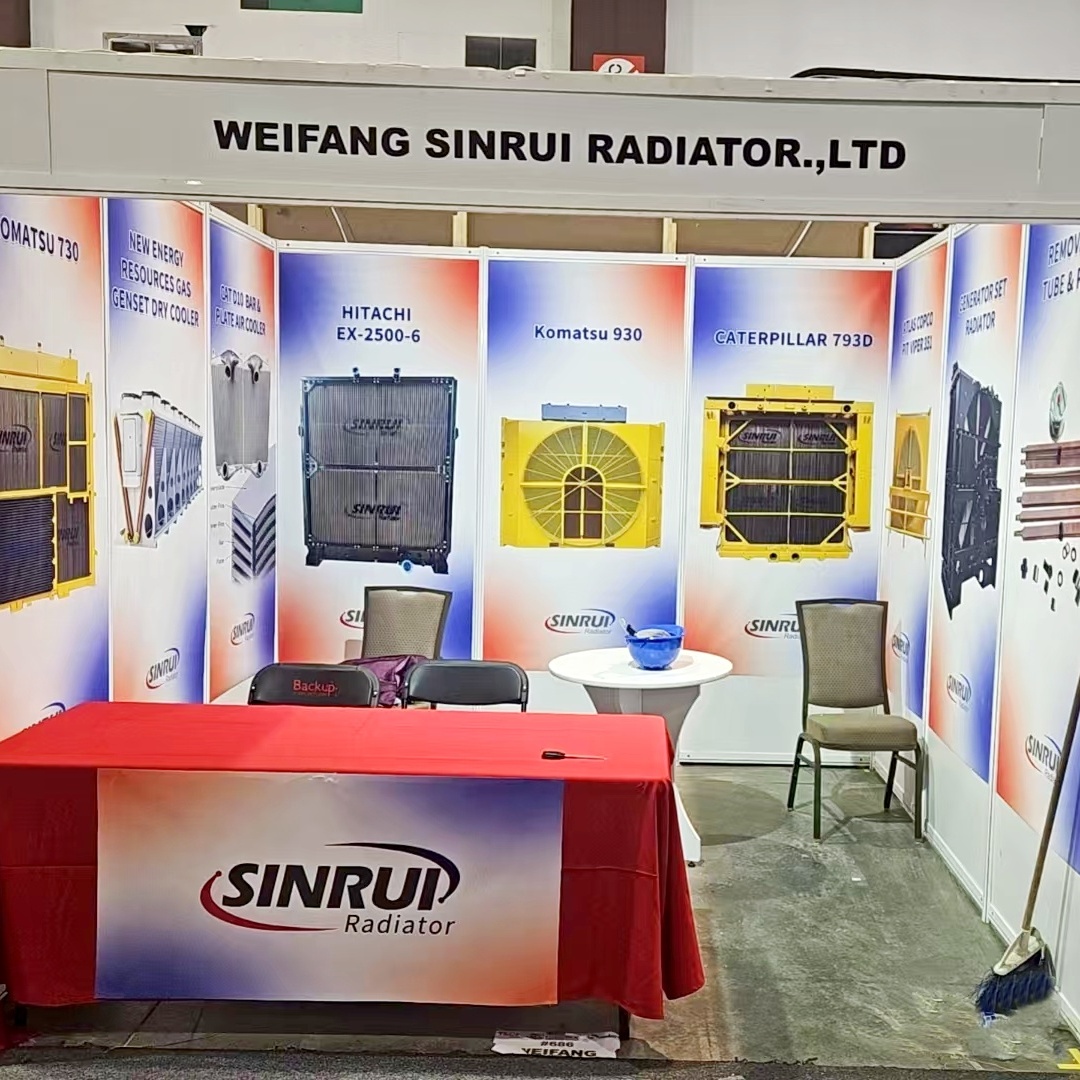
The demand for higher hash rates in modern cryptocurrency operations has pushed thermal management to the center of machine design. Every next-generation ASIC miner produces more heat than its predecessor, and without an advanced mining radiator solution, that heat becomes a direct threat to uptime, chip longevity, and profitability. Understanding how cooling innovation shapes the performance of mining machines is no longer optional — it is a core operational priority for anyone running serious hash infrastructure.
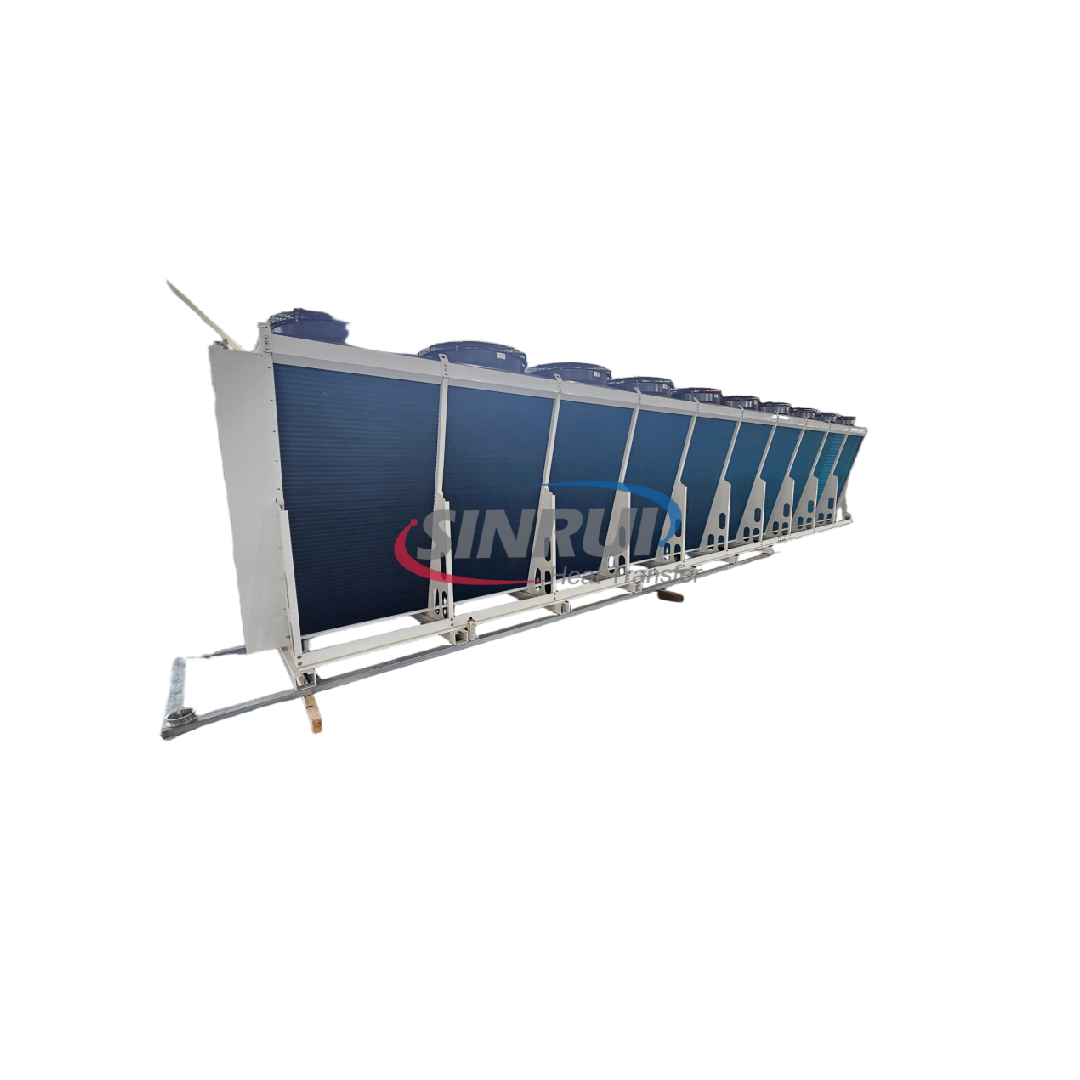
A mining radiator is no longer a passive afterthought bolted onto a machine frame. It is now an engineered component designed in parallel with the ASIC chipset itself. As chip densities increase and power draw per unit climbs, the mining radiator must handle thermal loads that would have been unthinkable even three years ago. This article explores the innovations driving that shift, the structural changes in mining radiator design, and the practical decisions operators face when building next-generation mining infrastructure.
Why Thermal Load Has Changed the Mining Radiator Design Brief
Rising Power Density in Modern ASIC Miners
Modern ASIC miners are built on increasingly compact silicon nodes, which allows more computation per chip but also concentrates heat in a smaller physical footprint. A single mining machine today can draw well over 3,000 watts, and high-density rack configurations multiply that load across dozens of units. The mining radiator serving these systems must dissipate heat at rates that demand precision-engineered fin geometry, optimized airflow channels, and materials with superior thermal conductivity. A standard air-cooled mining radiator that worked adequately for older machines is often insufficient for current hardware generations.
Environmental Factors Shaping Mining Radiator Performance
Ambient temperature, humidity, and altitude all directly influence how effectively a mining radiator can reject heat. Mining facilities located in warmer climates or inside industrial buildings without climate control face compound challenges. When ambient air temperature rises, the delta-T — the temperature difference between the mining radiator surface and the surrounding air — shrinks, reducing heat transfer efficiency. This is why mining radiator specifications now routinely include performance curves across a range of ambient conditions, not just a single rated figure. Operators must match mining radiator capacity not just to machine output but to the worst-case environmental conditions the site will experience.
Key Innovations Defining the Next-Generation Mining Radiator
Dry Cooler and Closed-Loop Architecture
One of the most significant advances in mining radiator technology is the adoption of dry cooler and closed-loop liquid systems. Unlike open-air fan cooling, a closed-loop mining radiator circulates coolant — typically a water-glycol mix — through direct contact with heat sources before routing it to an external dry cooler panel. This design keeps dust, humidity, and corrosive particulates entirely out of the heat exchange process, dramatically extending the service life of the mining radiator and the ASIC hardware it protects. Dry cooler-based mining radiator configurations also allow precise temperature setpoints, giving operators far greater control over junction temperatures than traditional air blast designs permit.
High-Efficiency Fin and Channel Engineering
The internal geometry of a mining radiator has become a serious engineering discipline. Micro-channel aluminum cores, turbulence-enhancing fin profiles, and variable-pitch fin arrays all contribute to a higher heat transfer coefficient without increasing the physical footprint of the mining radiator. This matters enormously in dense mining deployments where rack space is expensive and airflow paths are constrained. A well-engineered mining radiator with optimized internal geometry can reject significantly more heat per unit volume than a conventionally built unit, translating directly into lower fan speeds, reduced acoustic output, and longer component life. Operators selecting a mining radiator for next-generation machines should request detailed thermal performance data, not just headline capacity numbers.
Intelligent Thermal Management Integration
Innovation in the mining radiator space is not limited to physical construction. Modern mining radiator systems increasingly incorporate intelligent control layers — temperature sensors, variable-speed fan controllers, and remote monitoring interfaces — that allow the mining radiator to respond dynamically to real-time thermal load. When a mining machine temporarily boosts hash rate in response to network conditions, the mining radiator control system can increase coolant flow or fan speed preemptively rather than reactively. This proactive management protects chips from thermal spikes that cause performance throttling and accelerated degradation. The integration of smart controls into the mining radiator loop is becoming a baseline expectation rather than a premium feature.
Operational Decisions When Specifying a Mining Radiator
Matching Mining Radiator Capacity to Fleet Growth
One of the most common and costly errors in mining facility planning is under-specifying mining radiator capacity. Operators frequently purchase a mining radiator sized exactly for their current machine count, leaving no headroom for fleet expansion or for the higher thermal loads of future hardware generations. A mining radiator with at least 20 to 30 percent excess capacity relative to current load is a reasonable planning standard. This buffer ensures the mining radiator can absorb peak thermal events without triggering thermal shutdowns, and it provides upgrade flexibility as new ASIC models with higher TDP ratings are deployed into the same infrastructure.
Installation Layout and Mining Radiator Airflow Management
Even a correctly specified mining radiator will underperform if the installation layout creates hot air recirculation. When exhaust air from one mining radiator re-enters the intake of an adjacent unit, effective ambient temperature rises sharply and thermal rejection capacity drops. Proper aisle containment, directional baffles, and adequate clearance between mining radiator units are essential installation disciplines. For facilities using external dry cooler mining radiator panels, the outdoor placement, prevailing wind direction, and shading from direct solar exposure all influence steady-state performance. Thermal imaging surveys during commissioning can reveal airflow problems that are invisible during equipment selection but highly destructive during sustained operation.
FAQ
What makes a mining radiator different from a standard industrial radiator?
A mining radiator is engineered specifically for the continuous, high-density heat loads produced by ASIC miners operating at full utilization around the clock. Standard industrial radiators are often designed for intermittent or lower sustained loads. A dedicated mining radiator uses materials, fin geometry, and flow path designs optimized for the thermal cycling patterns and duty cycles unique to cryptocurrency mining environments.
How often should a mining radiator be serviced in a production facility?
Service intervals for a mining radiator depend heavily on the ambient environment. In clean, climate-controlled facilities, a mining radiator may require only quarterly inspection and annual cleaning. In dusty or outdoor-adjacent environments, monthly checks are advisable. Coolant quality in a closed-loop mining radiator system should be tested every six months to prevent corrosion or scaling that reduces heat transfer efficiency over time.
Can a single mining radiator serve multiple ASIC machines simultaneously?
Yes, a centralized mining radiator with sufficient capacity can serve an entire rack or row of ASIC machines when paired with an appropriately sized coolant distribution manifold and pump system. This architecture is common in large-scale mining deployments because it reduces per-machine hardware complexity and allows the mining radiator maintenance to be performed at a single centralized point rather than across individual units.