 EN
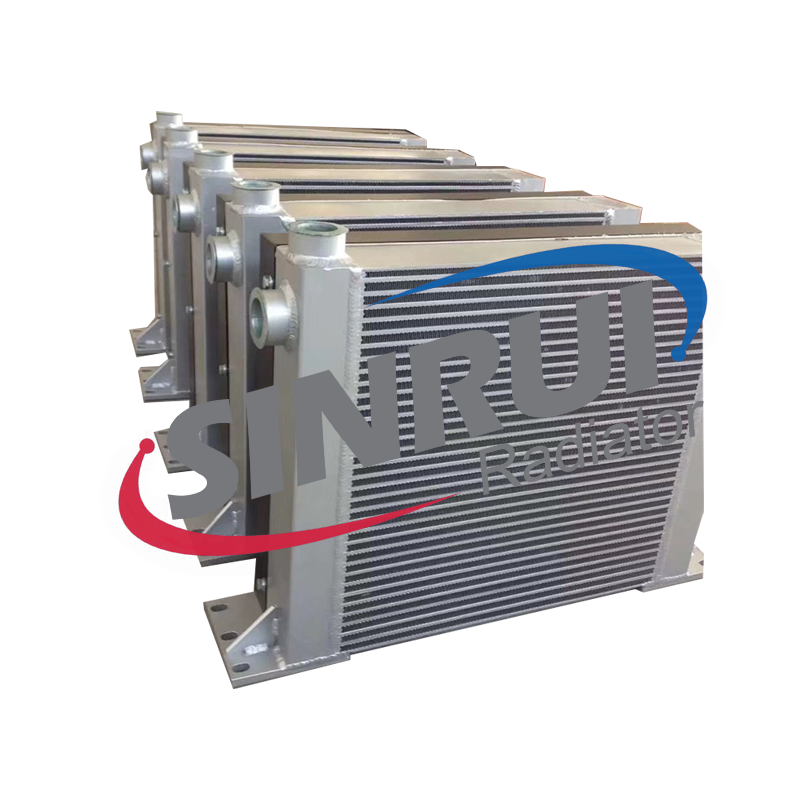
Hydraulic systems operate under intense pressure and heat generation, making temperature control absolutely critical to equipment longevity and reliability. A hydraulic oil cooler functions as the thermal management backbone of any hydraulic circuit, actively removing excess heat that naturally accumulates during normal operation. Without proper cooling, hydraulic fluid degrades rapidly, seals fail prematurely, and the entire system risks catastrophic breakdown. Understanding why a hydraulic oil cooler prevents system failure is essential for operators, maintenance teams, and engineers who depend on hydraulic machinery for production efficiency.
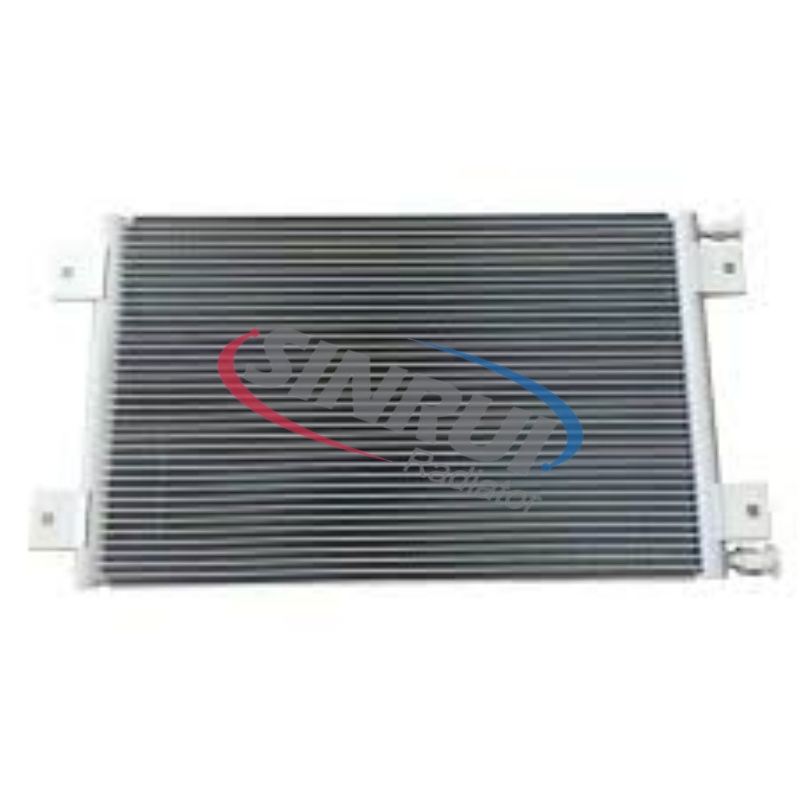
Thermal breakdown in hydraulic systems occurs silently and progressively, often going unnoticed until failure becomes inevitable. The hydraulic oil cooler intercepts this degradation cycle by maintaining fluid temperatures within the optimal operating window, typically between 40 and 60 degrees Celsius. When oil temperature exceeds design limits, fluid viscosity drops, lubrication film strength diminishes, and component wear accelerates exponentially. A properly functioning hydraulic oil cooler prevents these conditions from developing, safeguarding pumps, motors, cylinders, and control valves from premature failure.
How Temperature Control Protects Hydraulic Components
Viscosity Stability and Fluid Performance
Hydraulic fluid viscosity is temperature-dependent and directly affects system performance and component longevity. When oil temperature rises above acceptable levels, viscosity drops, reducing the protective lubricating layer between moving parts. This creates metal-to-metal contact, increased friction, and accelerated wear. A hydraulic oil cooler maintains consistent oil temperature, preserving viscosity stability and ensuring uniform lubrication across all hydraulic components. Without adequate cooling, high-temperature oil loses its ability to protect pump elements, motor shafts, and valve spools from destructive wear patterns.
Seal Integrity and Leakage Prevention
Seals in hydraulic systems are engineered to function within specific temperature ranges, typically rated for continuous operation up to 70 degrees Celsius. Excessive heat causes elastomer seals to harden, crack, and lose sealing effectiveness, leading to internal and external leakage. A hydraulic oil cooler prevents seal degradation by keeping oil temperature controlled and stable. When seals remain within their design temperature window, they maintain flexibility, durability, and reliable containment of pressurized fluid. This direct correlation between cooling performance and seal longevity makes the hydraulic oil cooler essential for leak-free operation.
Preventing Fluid Degradation and Oxidation
Chemical Stability Under Thermal Stress
Hydraulic oils contain carefully balanced additives that provide anti-wear protection, oxidation resistance, and thermal stability. Elevated temperatures accelerate oxidation reactions, breaking down these protective additives and producing sludge, varnish, and corrosive acids. The rate of oxidation roughly doubles for every 10-degree temperature increase above design limits. A hydraulic oil cooler dramatically slows this chemical degradation by maintaining lower, consistent fluid temperatures. This protection extends fluid service life, reduces maintenance intervals, and prevents the catastrophic system failures that result from oxidized, contaminated oil.
Varnish Formation and System Contamination
Varnish deposits form when hydraulic oil overheats, leaving residual material on pump surfaces, valve spools, and filter elements. These deposits restrict flow, increase friction, and compromise control precision. Varnish buildup typically indicates that a hydraulic oil cooler is undersized, failing, or absent from the system design. Proper cooling prevents varnish formation by keeping fluid below the temperature threshold where oxidation products accumulate. Equipment operators and maintenance teams recognize that varnish problems signal cooling system failure and immediate need for intervention to prevent complete system shutdown.
System Reliability and Operational Continuity
Preventing Thermal Runaway Scenarios
Thermal runaway occurs when rising oil temperature causes viscosity loss, increased pump slippage, and higher heat generation in a self-reinforcing cycle. Without a hydraulic oil cooler, this cycle accelerates toward catastrophic failure within hours or even minutes during peak operation. Heavy-duty applications like mining, construction, and industrial manufacturing face extreme risk during thermal runaway events because downtime directly translates to lost production revenue. A properly sized and maintained hydraulic oil cooler breaks this feedback loop by removing heat faster than the system generates it, maintaining stability across all operating conditions.
Extended Equipment Lifespan and Maintenance Cost Reduction
Hydraulic equipment represents substantial capital investment, and operating costs depend directly on reliability and maintenance frequency. Systems with effective cooling achieve significantly longer component lifespan compared to under-cooled or non-cooled systems. Pump rebuilds, seal replacements, and motor repairs occur less frequently when oil temperature remains controlled. The hydraulic oil cooler essentially pays for itself through reduced maintenance, decreased unplanned downtime, and extended replacement cycles for major components. Forward-thinking operations recognize that investing in robust cooling capacity protects their equipment asset value and operational continuity.
FAQ
What temperature should hydraulic oil maintain for optimal performance?
Hydraulic oil should operate between 40 and 60 degrees Celsius for optimal viscosity, lubrication effectiveness, and component protection. Most equipment manufacturers specify maximum continuous operating temperature at 65 to 70 degrees Celsius. A hydraulic oil cooler designed for your specific system capacity ensures oil remains well below these maximum limits during all operating conditions. Temperature monitoring systems help operators confirm that the hydraulic oil cooler is performing adequately throughout the day.
How do I know if my hydraulic oil cooler is failing or undersized?
Warning signs include consistently high oil temperatures despite normal operation, increased fluid viscosity changes, varnish deposits visible during maintenance inspections, and unexplained seal leakage. If a hydraulic oil cooler cannot maintain temperature below 65 degrees Celsius during peak operation, it is either failing or undersized for current system demands. Temperature gauges and thermal imaging tools help identify cooling deficiencies before they cause component failure. Upgrading to a larger capacity hydraulic oil cooler resolves chronic overheating issues.
Can a system operate safely without a hydraulic oil cooler?
Most hydraulic systems require a hydraulic oil cooler to maintain safe operating temperatures, especially in continuous-duty or high-demand applications. Ambient temperature, pump displacement, and system pressure all determine whether passive cooling alone suffices. Light-duty, intermittent-use systems in cool environments might operate without active cooling, but this approach sacrifices reliability and component lifespan. Industrial, mining, and heavy construction equipment virtually always requires a hydraulic oil cooler to prevent system failure and maintain production targets.