 EN
EN

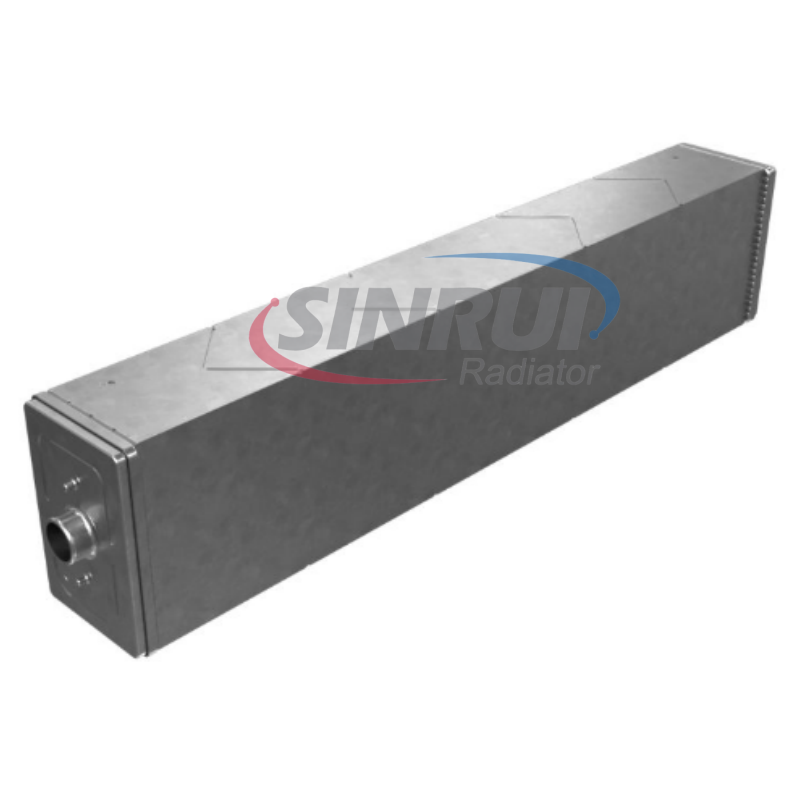
Modern industrial engines face relentless demands for higher performance, durability, and efficiency in increasingly challenging operational environments. The cooling system represents one of the most critical components determining engine longevity and reliability, and the choice of radiator material fundamentally shapes thermal management capabilities. Today, aluminum radiators have become the industry standard across heavy equipment, construction machinery, and large diesel applications, replacing traditional copper-brass designs that dominated for decades.
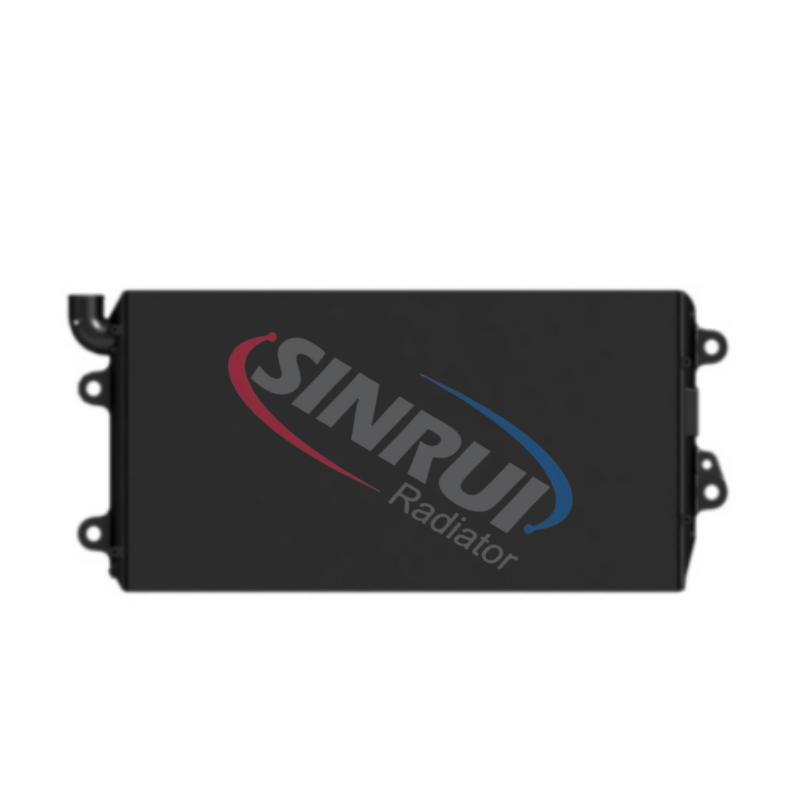
The transition to aluminum radiators reflects fundamental engineering priorities that modern equipment manufacturers must balance continuously. Weight reduction, thermal performance, cost efficiency, and environmental compliance all converge on aluminum as the optimal choice for contemporary industrial applications. Understanding why aluminum radiators have achieved this dominant position requires examining the specific technical advantages, manufacturing realities, and operational economics that drive this industry-wide adoption in equipment ranging from Komatsu excavators to Caterpillar dozers and beyond.
Superior Thermal Efficiency and Heat Dissipation
Aluminum's Exceptional Thermal Conductivity
Aluminum possesses thermal conductivity approximately three times higher than copper at equivalent thicknesses, enabling aluminum radiators to transfer heat far more effectively from engine coolant to ambient air. This superior heat transfer capability means aluminum radiators can maintain optimal engine temperatures with smaller core sizes compared to traditional materials. For industrial engines operating under continuous load, maintaining precise temperature control prevents thermal stress, extends engine life, and maximizes fuel efficiency by avoiding operation in the high-temperature degradation zone.
Modern aluminum radiators employ advanced tube and fin designs that maximize surface area exposure to airflow while maintaining structural integrity under extreme pressure fluctuations. The thin aluminum fins distribute coolant heat across broader air contact zones, creating efficient convection patterns that older radiator designs simply cannot match. Industrial applications benefit from this enhanced thermal performance through more stable engine operating temperatures, reduced thermal cycling stress on engine components, and improved combustion efficiency across varying load conditions.
Pressure Handling and Core Design Optimization
Aluminum radiators handle the elevated cooling system pressures demanded by turbocharged and supercharged industrial engines while maintaining lighter construction than comparable copper designs. Modern aluminum radiators operate reliably at system pressures exceeding 30 psi, matching or exceeding the specifications required by contemporary heavy-duty diesel and natural gas engines. The material allows manufacturers to design aluminum radiators with thinner walls and optimized internal passages that improve coolant flow velocity and heat transfer rates simultaneously.
Significant Weight Reduction and Equipment Economics
Lower Vehicle and Equipment Mass
Aluminum radiators weigh approximately 40 to 50 percent less than equivalent copper-brass radiators while delivering superior thermal performance, directly reducing total vehicle weight and improving operational efficiency. For construction equipment, mining machinery, and transportation applications, this mass reduction accumulates across all systems—lighter radiators enable smaller supporting brackets, reduce suspension loadings, and decrease overall equipment weight that directly impacts fuel consumption and productivity metrics. Modern industrial equipment operates on razor-thin profit margins, making the cumulative weight savings from aluminum radiators economically significant across fleets of multiple machines.
Equipment manufacturers specify aluminum radiators not only for direct weight savings but because lighter overall machine mass improves gradeability on slopes, reduces tire wear, and enhances maneuverability in confined work spaces. The weight advantage of aluminum radiators compounds across complex systems—engines, transmissions, hydraulics, and structural frames—creating substantial fuel economy improvements that multiply across thousands of operating hours annually on high-utilization equipment.
Manufacturing Cost Efficiency and Market Availability
The aluminum radiator manufacturing process achieves economies of scale that have driven market costs significantly lower than premium copper alternatives while maintaining superior performance characteristics. Established production infrastructure for aluminum radiators creates robust global supply chains, ensuring equipment manufacturers access consistent quality, rapid tooling modifications, and competitive pricing through multiple suppliers. This manufacturing maturity and market competition mean aluminum radiators provide the best thermal performance per unit cost across the industrial equipment spectrum.
Durability, Corrosion Resistance, and Environmental Advantages
Superior Corrosion Performance in Demanding Conditions
Aluminum naturally forms a protective oxide layer when exposed to air and coolant systems, providing inherent corrosion resistance that exceeds copper-brass materials in many industrial environments. Unlike traditional radiators prone to galvanic corrosion when dissimilar metals contact in acidic cooling systems, aluminum radiators maintain consistent structural integrity across extended service intervals with properly formulated industrial coolants. Modern industrial engines operating in mining, marine, and construction environments benefit from aluminum radiator durability that withstands salt spray, acidic soils, and chemically aggressive atmospheres where copper designs would experience accelerated degradation.
The consistent corrosion resistance of aluminum radiators simplifies maintenance protocols and extends equipment service life without requiring exotic coolant additives or frequent radiator replacement cycles. Industrial operators achieve higher reliability and lower long-term maintenance costs through aluminum radiator specifications that maintain cooling system integrity across years of demanding operation.
Environmental Sustainability and Recyclability
Aluminum radiators address environmental compliance mandates and sustainability objectives through material recyclability, reduced manufacturing emissions, and lower operational fuel consumption across equipment lifetime. Modern industrial enterprises prioritize equipment specifications that minimize environmental impact, and aluminum radiators deliver measurable improvements in both production efficiency and end-of-life material recovery compared to traditional copper designs. The lighter weight of aluminum radiators reduces fuel consumption throughout the equipment's operational lifespan, creating tangible environmental benefits measured in reduced emissions across global fleets.
FAQ
What makes aluminum radiators more efficient than copper radiators in industrial engines?
Aluminum possesses three times higher thermal conductivity than copper, enabling superior heat transfer from engine coolant to ambient air with thinner, lighter construction. Modern aluminum radiators employ optimized tube and fin designs that maximize surface area and improve convection efficiency, allowing industrial engines to maintain optimal operating temperatures while reducing thermal cycling stress on engine components and improving fuel economy.
How much weight can aluminum radiators save compared to traditional designs?
Aluminum radiators weigh 40 to 50 percent less than equivalent copper-brass radiators while delivering superior thermal performance. For industrial equipment, this mass reduction improves fuel efficiency, gradeability, tire wear, and maneuverability, creating cumulative operational benefits that compound across thousands of annual operating hours and multi-machine fleet deployments.
Are aluminum radiators durable enough for harsh industrial environments?
Yes, aluminum radiators offer superior corrosion resistance through their natural protective oxide layer, outperforming copper-brass designs in salt spray, acidic soils, and chemically aggressive mining and marine environments. Properly formulated industrial coolants protect aluminum radiators across extended service intervals, delivering reliability and lower maintenance costs throughout the equipment's operational lifespan.