 EN
EN
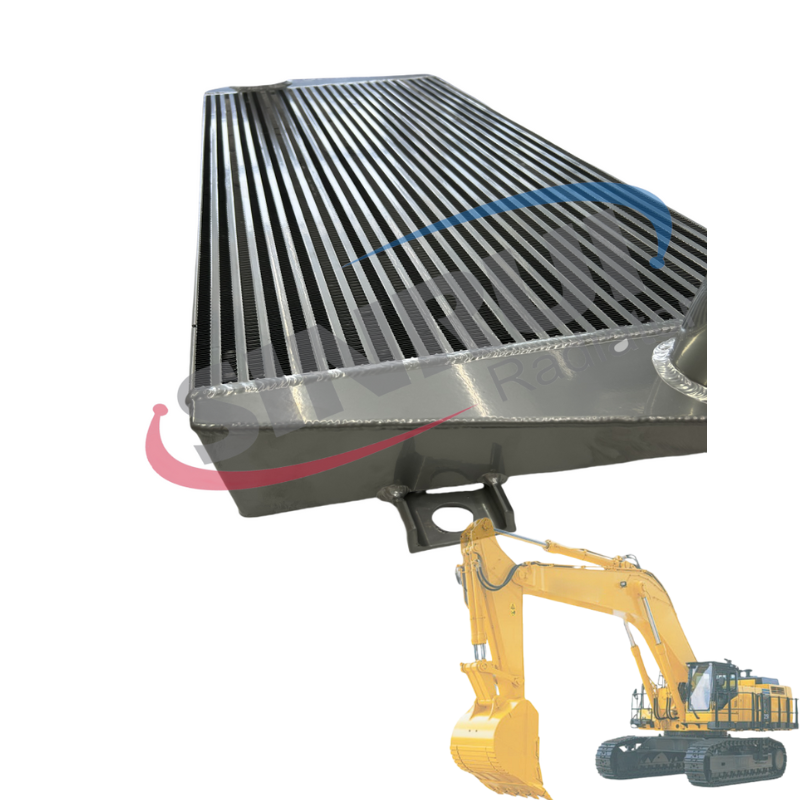
Core Function of a Mining Radiator: Heat Dissipation in Continuous Heavy-Duty Operation
Thermodynamic Principles: Convection, Conduction, and Real-Time Thermal Load Management
Mining radiators work mainly through convection and conduction these days to handle all that constant heat coming off engines and hydraulics running nonstop around the clock. The process starts when heat conducts from those super hot metal parts into the coolant, usually some kind of ethylene glycol mix, before moving along through the radiator core. Forced air then pulls away the thermal energy as it passes over. Newer models come equipped with smart thermal management systems these days too. They have temperature sensors hooked up to variable speed fans that adjust cooling power based on what's actually needed at any given moment. This kind of control is really important for avoiding overheating problems during those big workload spikes. Why? Because when cooling systems fail unexpectedly in tough mining conditions, companies end up losing about $740k each time according to a study from Ponemon Institute back in 2023. Keeping things cool isn't just about making sure equipment lasts longer either. It directly affects how productive operations can be since every single minute lost to downtime costs way more than most people realize.
Integration into Closed-Loop Liquid Cooling Systems for Mining Equipment
Mining radiators act as the main way to get rid of excess heat in those closed loop cooling systems used throughout mining operations. They move coolant back and forth between the engine, hydraulic tanks, and the actual radiator itself. The sealed construction keeps fluids from leaking out even when things get really dusty and gritty around mining sites, which helps maintain proper system pressure. This higher pressure actually raises the boiling point of the coolant, making the whole system more stable under tough conditions. Most modern radiators use corrosion resistant materials like aluminum nickel or copper brass for their core because these materials offer better surface area for heat transfer. Coolant channels are also designed specifically to pull heat away quickly from parts that generate a lot of friction such as drilling equipment and rock crushing machinery. Keeping engine temps right where they need to be makes a big difference in fuel consumption too. Studies show that if operators can keep temperatures down by about 12 degrees Celsius consistently, they'll see roughly a 3.5 percent improvement in how efficiently the engine runs during those long heavy duty mining shifts.
Mining Radiator Design: Built for Extreme Environments
Material Selection and Core Architecture: Aluminum-Nickel Alloys vs. Copper-Brass for Corrosion and Thermal Resilience
Mining radiators have pretty much switched over to aluminum-nickel alloys these days. The main reasons? They're about 30% lighter than old fashioned copper-brass radiators, which makes a big difference when dealing with heavy machinery. Plus, they stand up better against those nasty acidic conditions and sulfide pits that tend to eat away at equipment in ore processing plants. Copper-brass still works okay for places where corrosion isn't such a problem, but once we get into high sulfate environments, it needs all sorts of protective coatings just to last. And let's face it, nobody wants to deal with the extra weight and constant maintenance headaches that come with copper-brass anymore. The design of radiator cores has changed quite a bit too. Gone are the days of simple straight tubes. Now manufacturers use these multi-channel turbulence designs that actually boost coolant contact time by around 40%. This means better heat dissipation without taking up any more space than before. Makes all the difference in tight equipment compartments where every inch counts.
Optimized Fin-Tube Geometry and Stacked-Plate Configurations for Dusty, High-Ambient-Temperature Sites
The number one problem causing airflow blockage and then overheating issues in mining radiators comes down to dust buildup. The solution? Specialized fin-tube designs made specifically for tough environments. These systems have wider fin spacing around 4 to 6 millimeters which lets bigger particles go through instead of getting stuck. The corrugated louvered fins create just enough turbulence to actually increase heat transfer efficiency by about a quarter when temps hit over 50 degrees Celsius. And those tubes aren't lined up straight either they follow a zig-zag pattern that breaks up how dust normally settles on vertical surfaces. For even better protection against wear and tear, stacked plate systems come with sacrificial anodes plus isolation barriers that stop different metals from corroding each other through electrolysis. Real world testing indicates these combined design improvements cut down on performance losses by roughly 70% after 10 thousand hours of operation in dusty areas. Plus, in those high altitude copper mines where the thin atmosphere makes regular cooling systems struggle, these designs help reduce engine shutdown incidents by as much as 22%.
Application-Specific Mining Radiator Requirements Across Equipment Classes
Tailored Solutions for Haul Trucks, Excavators, and Drills (e.g., CAT 797, Komatsu PC8000)
Standard radiators just don't cut it when it comes to the varied needs of mining operations. Take haul trucks like the CAT 797 for instance. These beasts generate over 500 kW of heat rejection demand simply to keep engines running properly while dragging around 400 tons of material up those long, steep inclines. That's why their radiators are built tough with thicker aluminum cores and extra strong mounts to handle all the constant shaking and potential impacts from rough terrain. Excavators present different challenges altogether. Machines such as the Komatsu PC8000 need smaller but incredibly durable cooling systems that can squeeze into tight engine spaces while still providing steady airflow through all those repeated digging motions at full torque. And then there's drill rigs working in those dusty, dry environments where dust accumulation is a constant problem. Their radiators come equipped with special fin-tube designs plus protective ceramic or polymer coatings to resist wear from abrasive particles. These tailored radiator solutions make a real difference too. According to Mining Equipment Journal from last year, such specialized designs actually cut down unexpected breakdowns by about 18% in busy operation settings. So when thinking about thermal management for mining equipment, starting with what works best for each specific machine makes far more sense than trying to apply one size fits all specifications.
Operational Impact: How Mining Radiator Performance Affects Efficiency, Emissions, and Uptime
Mining radiators built with precision engineering offer real improvements in three key areas that matter most to operations managers efficiency, emissions levels, and equipment uptime. When engines stay within their ideal temperature range, fuel usage drops between 12 and 18 percent because combustion works better and fans don't have to work as hard. The same kind of temperature control also cuts down on nitrogen oxide emissions since it stops those problematic lean-burn situations and prevents dangerous hot spots from forming during operation. What really makes these systems stand out though is how they cut down on unexpected cooling system failures. Mines using radiators equipped with smart fan controls, good dust protection, and live monitoring see about 40% fewer breakdowns related to cooling issues. For operations running 24/7, this means fewer production stoppages and lower maintenance costs over time something operators appreciate far more than any theoretical promise of reliability written on a spec sheet.
FAQ
What is the main function of a mining radiator?
The primary function of a mining radiator is to dissipate the heat generated by mining equipment, ensuring that machinery remains operational round-the-clock without overheating.
Why are aluminum-nickel alloys preferred for mining radiators?
Aluminum-nickel alloys are preferred for mining radiators due to their corrosion resistance, lightweight properties, and better performance in acidic and high-sulfate environments, making them more suitable for harsh mining conditions.
How do mining radiators impact fuel efficiency and emissions?
By maintaining optimal engine temperatures, mining radiators can improve fuel efficiency by 12 to 18 percent and significantly reduce nitrogen oxide emissions by preventing lean-burn conditions and hot spots.
Are mining radiators customized for different equipment?
Yes, mining radiators are tailored for specific machinery like haul trucks, excavators, and drills, each with unique requirements due to different heat rejection demands and operational environments.
Table of Contents
- Core Function of a Mining Radiator: Heat Dissipation in Continuous Heavy-Duty Operation
- Mining Radiator Design: Built for Extreme Environments
- Application-Specific Mining Radiator Requirements Across Equipment Classes
- Operational Impact: How Mining Radiator Performance Affects Efficiency, Emissions, and Uptime