 EN
EN
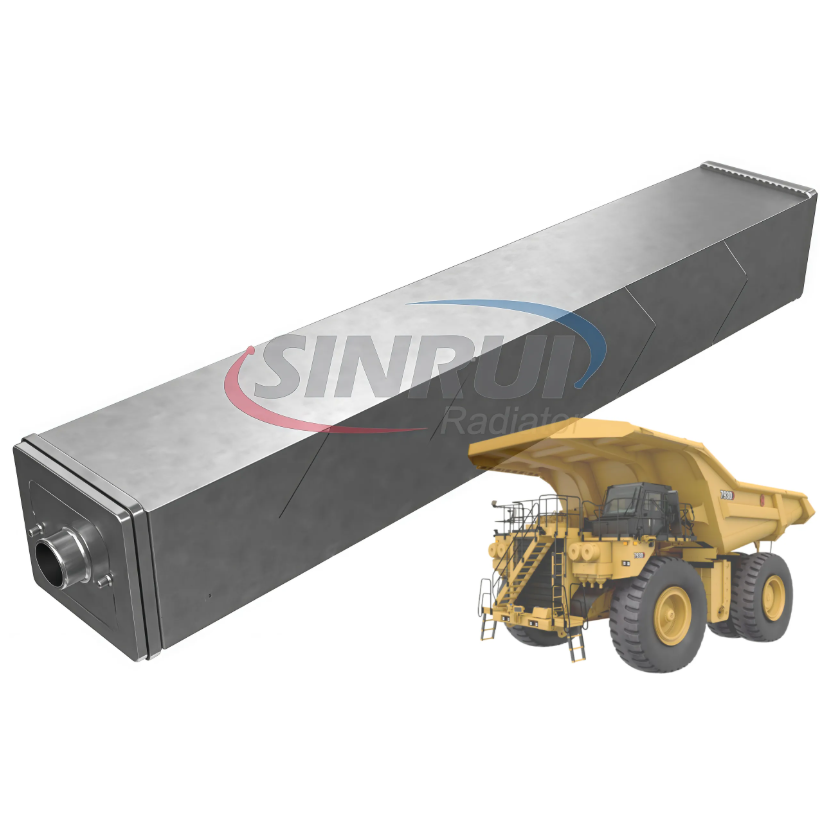
Preventive Maintenance for Mining Radiator Reliability
Daily Inspections and Coolant Level Checks in Harsh Mining Environments
Daily inspections are the first line of defense against radiator failures. Operators should check coolant levels every shift—small leaks escalate rapidly under vibration and thermal stress. In dusty conditions, inspect radiator fins for blockages and examine hoses, clamps, and connections for corrosion or looseness. A 2–3 minute visual assessment can prevent overheating that triggers unplanned downtime. These checks preserve cooling capacity even in the most abrasive environments.
Scheduled Cleaning Cycles to Mitigate Dust, Debris, and Contamination Buildup
Mining sites generate heavy dust, mud, and debris that clog radiator cores and impair heat transfer. Scheduled cleaning—weekly or based on equipment hours—removes contaminants before they cause temperature spikes. Use compressed air or low-pressure water to clean fins without damaging them; for heavily caked-on deposits, professional degreasing may be required. Consistent cleaning extends radiator life and sustains cooling efficiency, helping avoid engine overheating during extended shifts.
Predictive Monitoring to Detect Mining Radiator Failures Early
Thermal Imaging and Real-Time Temperature Monitoring for Overheating Warnings
Thermal imaging cameras and real-time sensors detect abnormal heat patterns across the radiator core before failure occurs. A localized hotspot often signals a blocked tube, reduced airflow, or internal scale buildup. Continuous temperature monitoring enables intervention when readings deviate from baseline—rather than waiting for coolant to boil. For instance, a sudden 15 °C rise in one section indicates partial blockage, allowing crews to flush or isolate that circuit during a scheduled stop—not an emergency breakdown.
Coolant and Oil Fluid Analysis as Leading Indicators of Impending Failure
Fluid analysis provides early warnings long before visible leaks or overheating occur. Coolant testing for metal particles, pH shifts, or depleted additives reveals internal corrosion or cavitation. Oil analysis detects coolant contamination—often pointing to a failing integrated oil cooler. Identifying these signs weeks in advance allows planned interventions like targeted tube replacement or inhibitor dosing, avoiding catastrophic field failure. In harsh mining environments, quarterly fluid testing is a cost-effective safeguard against expensive radiator replacements and unplanned downtime.
Radiator Design Features That Minimize Mining Radiator Downtime
Replaceable Tubes and V-Tube Configurations for Faster Field Repairs
Innovative radiator designs directly reduce unplanned downtime. Replaceable tube systems let technicians swap damaged tubes without dismantling the entire core—cutting repair time by up to 65% versus traditional welded units. V-tube configurations enhance turbulent coolant flow, improving thermal transfer efficiency by up to 40% while resisting sediment accumulation. Together, these features enable full repairs in under two hours instead of eight-hour core replacements—a critical advantage given industry data showing haul truck downtime exceeds $15,000 per hour (2023). Field-repairable components built with reinforced brass/copper alloys withstand mining’s triple threats: vibration-induced stress, abrasive particulate matter, and extreme thermal cycling from –20°C to 120°C.
Measuring and Improving Performance: KPIs for Mining Radiator Uptime
To effectively reduce mining radiator downtime, operators must track KPIs that reflect both reliability and maintenance responsiveness. Key metrics include Mean Time Between Failures (MTBF), which measures operational longevity before failure; Mean Time to Repair (MTTR), tracking restoration speed after breakdowns; and uptime percentage—calculated as (total time – downtime) ÷ total time × 100. A realistic target for heavy mining equipment is 95–99% uptime, depending on site conditions and asset criticality. Consistently monitoring these KPIs helps teams identify trends—such as recurring failures in specific fleets or delayed responses to overheating alerts—enabling targeted, data-driven improvements. Setting measurable goals and reviewing trends monthly supports systematic reductions in unplanned downtime and extends radiator service life.
Ready to Cut Mining Radiator Downtime by 65%?
Predictive maintenance and field-repairable designs are proven to keep your fleet running. But the real ROI comes from partnering with a radiator manufacturer that builds reliability into every core — with replaceable tubes, V-tube configurations, and rigorous quality control for harsh mining environments.
Weifang Sinrui Radiator Co., Ltd. has over 20 years of OEM and aftermarket expertise, serving mining operations in more than 30 countries. Our radiators are engineered for fast field repairs, 4-year warranty coverage, and direct compatibility with CAT, Komatsu, Hitachi, Liebherr, and other major brands. Whether you need a custom cooling solution, a direct replacement core, or bulk spare tubes for your fleet — our team provides technical drawings, performance evaluation, and global shipping support (7–30 days, from Qingdao port).
Don’t let overheating steal your production hours. Contact Sinrui today for a no-obligation consultation and request a quote tailored to your equipment model and site conditions.
FAQ
Why is daily inspection critical for mining radiators?
Daily inspections detect small issues like coolant leaks or clogged fins early, preventing them from escalating into major failures.
How often should mining radiator cleaning be performed?
It depends on the site conditions but is typically scheduled weekly or based on equipment hours to mitigate debris buildup.
What are the advantages of thermal imaging for radiator monitoring?
Thermal imaging detects abnormal heat patterns early, allowing for preventive action before significant overheating occurs.
How does fluid analysis prevent radiator failures?
Coolant and oil fluid analysis can identify internal issues like corrosion or contamination, enabling proactive maintenance.
What are the benefits of replaceable tubes in radiators?
Replaceable tubes allow for quick field repairs, significantly reducing downtime and repair costs.
Why are KPIs important for radiator maintenance?
Tracking KPIs like MTBF and uptime percentage helps identify recurring issues and improve maintenance efficiency.
Table of Contents
- Preventive Maintenance for Mining Radiator Reliability
- Predictive Monitoring to Detect Mining Radiator Failures Early
- Radiator Design Features That Minimize Mining Radiator Downtime
- Measuring and Improving Performance: KPIs for Mining Radiator Uptime
- Ready to Cut Mining Radiator Downtime by 65%?
- FAQ