 EN
EN
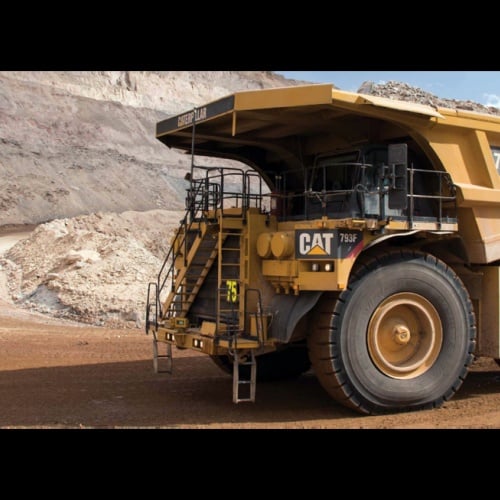
A mining radiator operates under some of the harshest conditions in any industrial environment. Extreme heat cycles, abrasive dust, heavy vibration, and corrosive fluids combine to degrade components far faster than in typical commercial machinery. Understanding how to extend the service life of a mining radiator is not just a maintenance question — it is a critical factor in controlling operational costs, reducing unplanned downtime, and protecting expensive heavy equipment assets in active mine sites.
Every mining radiator has a designed service life, but in practice, how that equipment is maintained, monitored, and protected determines whether it reaches or exceeds that design threshold. The good news is that most premature mining radiator failures are preventable. By applying consistent maintenance practices, using the right sealing and fluid management strategies, and monitoring early warning signs, operators can significantly extend the functional life of each mining radiator unit across their fleet.
Understanding What Degrades a Mining Radiator
Thermal Stress and Cycle Fatigue
The primary cause of mining radiator degradation is repeated thermal cycling. Each time heavy machinery starts, runs at full load, and then shuts down, the mining radiator expands and contracts under extreme temperature swings. Over thousands of cycles, this creates micro-fractures in the core tubes, weakens brazed joints, and causes gradual leakage points to develop. A mining radiator exposed to aggressive duty cycles in underground or open-pit mines faces this fatigue at an accelerated rate compared to standard construction equipment.
Operators can reduce thermal stress on a mining radiator by managing engine warm-up and cool-down procedures carefully. Avoiding sudden full-load engagement from a cold start reduces the severity of early thermal spikes. Proper thermostat function is critical here — a faulty thermostat allows the mining radiator to experience irregular temperature surges that compound long-term fatigue.
Contamination from Dust, Debris, and Fluids
Mine environments generate exceptional volumes of fine particulate matter. This dust accumulates rapidly on the external fins of a mining radiator, forming an insulating layer that reduces heat dissipation efficiency. When a mining radiator cannot transfer heat effectively, coolant temperatures rise beyond design limits, increasing internal pressure and accelerating seal degradation. Blocked fins are one of the most common and most preventable causes of shortened mining radiator service life.
Internal contamination is equally damaging. Coolant that degrades chemically over time becomes acidic, corroding the internal passages of the mining radiator. Oil or fuel contamination from failed seals introduces deposits that restrict flow and damage tube walls. Maintaining clean, properly inhibited coolant inside every mining radiator is as important as keeping the exterior fins clear.
Proven Maintenance Practices to Extend Service Life
Scheduled Cleaning and Inspection Routines
A structured cleaning schedule is the foundation of mining radiator longevity. External fin cleaning should be performed at intervals matched to site dust levels — in high-dust environments, this may mean weekly inspections and cleaning. Compressed air or low-pressure water washing directed from the clean side outward is the recommended method, as forcing contamination deeper into the core further restricts airflow through the mining radiator.
Each cleaning session should also include a visual inspection of the mining radiator for signs of physical damage, leaking coolant stains, fin deformation, or corrosion around the mounting points and header tanks. Catching minor damage early on a mining radiator prevents escalation into costly core replacements or unplanned machine breakdowns in the field.
Coolant Management and Seal Integrity
Coolant quality is one of the most direct levers available for extending mining radiator service life. Fresh, correctly mixed coolant with active corrosion inhibitors protects the internal surfaces of the mining radiator from electrochemical corrosion. Coolant should be tested regularly for pH, inhibitor concentration, and contamination. When coolant degrades, the entire mining radiator internal system is at risk, not just the fluid itself.
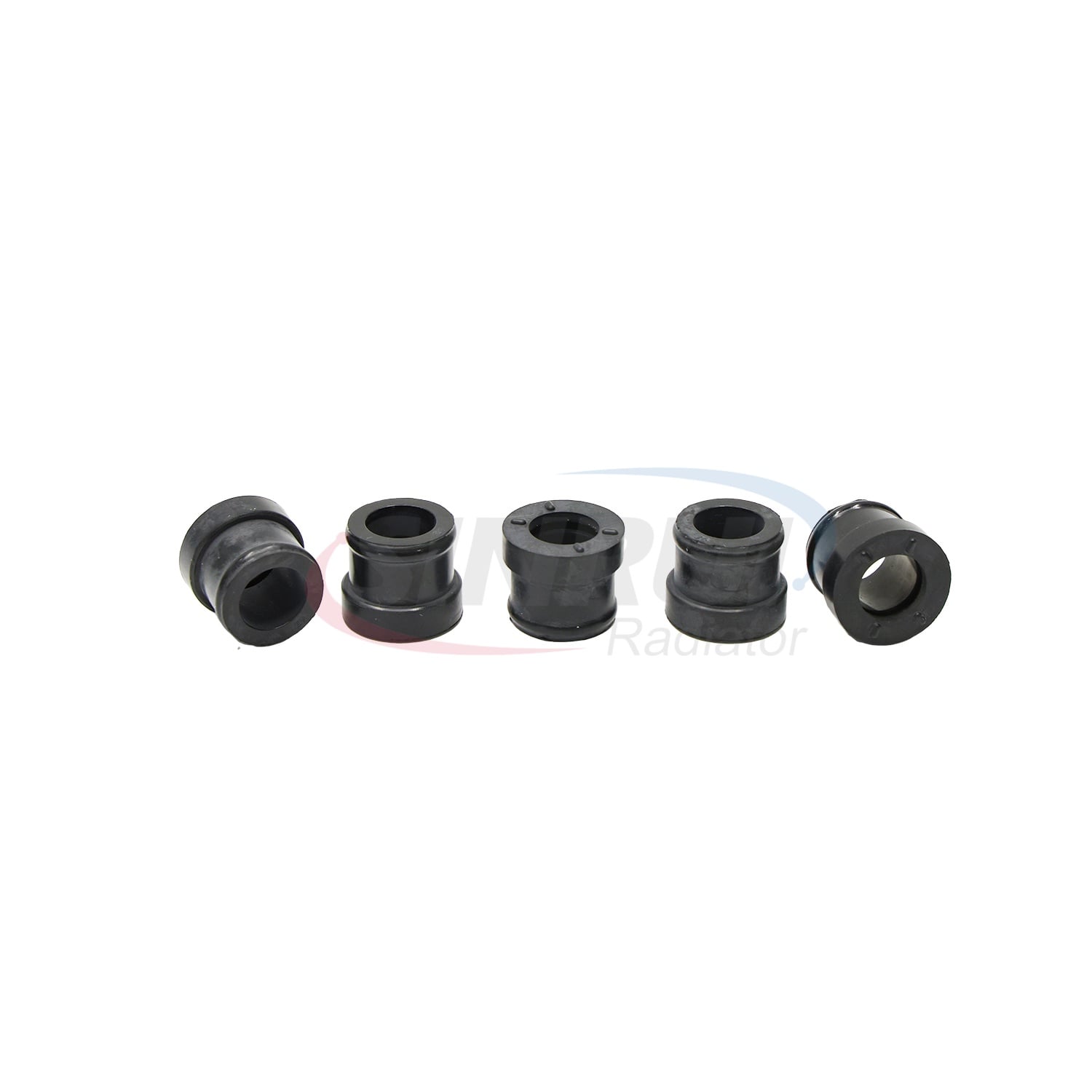
Equally important is the integrity of all seals and O-rings associated with the mining radiator system. Tube seals, hose connections, and cap seals must be inspected and replaced before they fail. A small leak on a mining radiator might seem minor at first, but coolant loss under operating pressure leads rapidly to overheating events that cause irreversible damage to both the mining radiator core and the engine it is protecting. Using quality oil-air seal kits specifically designed for mining radiator tube assemblies ensures compatibility and pressure resistance across demanding operating conditions.
Operational Strategies That Protect the Mining Radiator
Managing Airflow and System Pressure
Airflow management around the mining radiator directly affects how efficiently the unit can do its job. Enclosures, guards, and ducting designs should allow maximum clean airflow through the mining radiator core without recirculating hot discharge air back into the intake. In confined underground mine areas, this requires careful attention to equipment positioning and ventilation system design around every mining radiator installation.
System pressure must also be managed carefully. The pressure cap on a mining radiator controls the maximum operating pressure of the entire cooling circuit. A pressure cap that allows excessive pressure accelerates seal and hose degradation, while one that opens too early causes coolant loss and cavitation. Checking and replacing the pressure cap on each mining radiator at scheduled intervals is a low-cost action with high protective value.
Monitoring Early Warning Indicators
Modern mining equipment is typically equipped with temperature sensors and alerts, but operators should not rely solely on automatic warnings to detect mining radiator problems. Visual checks, coolant level monitoring, and periodic pressure tests provide earlier signals than dashboard warnings alone. A mining radiator that is slightly less efficient due to partial blockage will not trigger an alarm immediately but will be shortening its own service life with every operating hour.
Training maintenance personnel to recognize the early signs of mining radiator stress — coolant discoloration, small external wet spots, unusual temperature readings during standard load conditions — creates a proactive detection layer that preserves both the mining radiator and the broader machine reliability.
FAQ
How often should a mining radiator be professionally inspected?
A mining radiator should receive a thorough professional inspection at least every 500 operating hours, or more frequently in high-dust and high-load environments. Routine visual checks should be performed daily or at every shift change to catch leaks, blockages, or physical damage early before they develop into major failures.
What type of coolant is best for a mining radiator?
The best coolant for a mining radiator is one that meets the original equipment manufacturer specifications and contains appropriate corrosion inhibitors for the metals used in the system. Extended-life coolants with organic acid technology are commonly preferred in heavy mining equipment because they provide longer inhibitor life and superior protection against the internal corrosion that shortens mining radiator service life.
Can a damaged mining radiator be repaired, or does it need full replacement?
Whether a mining radiator can be repaired depends on the extent and location of the damage. Minor tube leaks and seal failures can often be addressed with quality replacement seal kits and tube repair, restoring full function to the mining radiator without full core replacement. However, severe core corrosion, extensive fin damage, or structural cracks in the header tanks typically require full mining radiator replacement to ensure reliable and safe continued operation.