 EN
EN

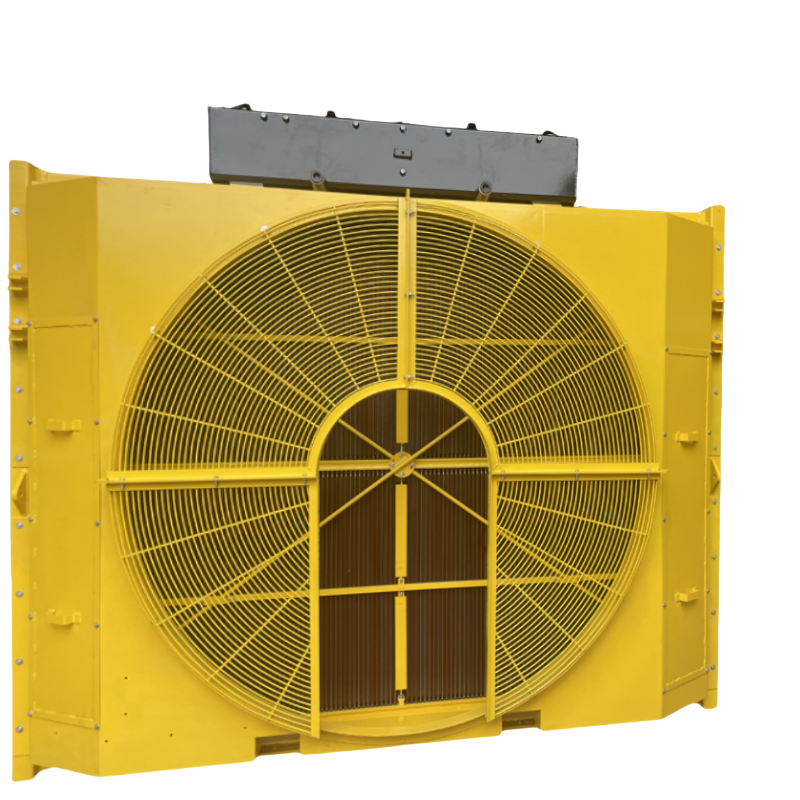
Heavy equipment in mining operations generates extreme heat during continuous operation, and effective thermal management is critical to equipment longevity and productivity. A mining radiator serves as the backbone of cooling systems that prevent catastrophic overheating in hydraulic excavators, loaders, and drilling equipment. Understanding why a mining radiator prevents overheating requires examining the thermal dynamics of heavy machinery, cooling system design, and the engineering principles that keep equipment operational in demanding mining environments.
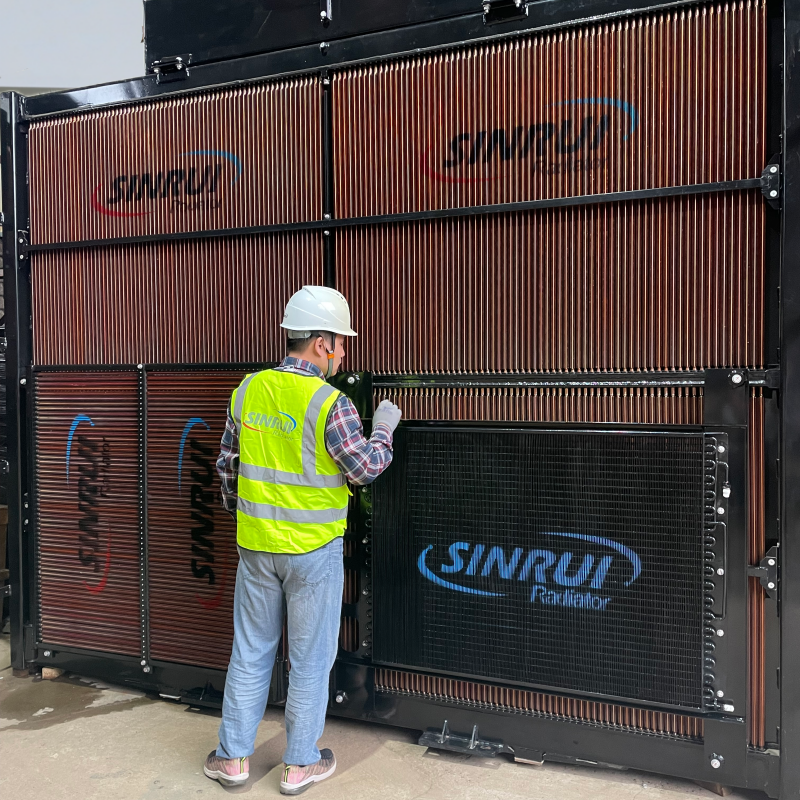
Mining operations expose equipment to relentless thermal stress. Hydraulic systems, diesel engines, and transmission components all generate significant heat during excavation, loading, and transport cycles. Without adequate cooling infrastructure, internal temperatures can rise beyond safe thresholds within minutes, leading to fluid degradation, component failure, and unplanned downtime. A properly designed mining radiator dissipates this accumulated heat efficiently, maintaining optimal operating temperatures and protecting the entire machine ecosystem from thermal damage.
Heat Generation and Thermal Challenges in Mining Equipment
Understanding the Source of Excess Heat
Mining excavators and heavy loaders operate under continuous high-load conditions that generate heat across multiple systems simultaneously. Hydraulic pumps pressurize fluid to operate bucket cylinders, boom lifts, and swing mechanisms, creating friction and resistance that converts energy into thermal output. Diesel engines also produce substantial waste heat through combustion, and transmission systems generate additional thermal energy during power transfer to tracks or wheels. A mining radiator must handle combined thermal loads from all these sources, often exceeding 200 kilowatts in large-scale equipment.
Temperature Thresholds and Equipment Failure Modes
Most hydraulic fluids remain stable only within specific temperature ranges, typically between 40 and 60 degrees Celsius for optimal performance. When temperatures exceed 60 degrees, hydraulic oil begins to degrade chemically, losing viscosity and lubrication effectiveness. At 80 degrees or higher, seals deteriorate, fluid breakdown accelerates, and component wear rates spike dramatically. A mining radiator maintains fluid temperature below these critical thresholds, ensuring consistent system performance and preventing cascade failures that would halt mining operations for days or weeks.
Thermal Transfer Mechanisms in Mining Radiator Design
Core Heat Exchange Architecture
A mining radiator operates on fundamental heat transfer principles, using aluminum or copper core tubes surrounded by cooling fins to maximize surface area exposure to ambient air. Hot hydraulic fluid flows through internal tubes while fans force outside air across the finned surfaces, creating temperature differential that drives heat away from the fluid. The larger the surface area and the more efficient the air movement, the greater the heat dissipation rate. Industrial-grade mining radiators feature multiple core rows and optimized fin geometry to achieve heat rejection rates matching or exceeding the thermal loads generated by modern excavators and loaders.
Fan Systems and Cooling Efficiency
Cooling fan performance directly determines whether a mining radiator can maintain safe operating temperatures under peak load conditions. Hydraulic or electric fans on mining radiators adjust speed based on fluid temperature sensors, ramping up airflow when thermal stress increases and reducing fan speed during lighter operational phases to conserve fuel and reduce noise. Variable-speed fan control ensures the mining radiator remains efficient across different ambient temperatures and seasonal conditions, preventing both overheating in hot climates and unnecessary energy waste during cool weather operations.
Overheating Prevention and Operational Benefits
System Reliability and Downtime Reduction
When a mining radiator functions properly, equipment operates at stable temperatures that protect hydraulic fluid integrity, seal functionality, and component longevity. Predictable thermal conditions mean hydraulic systems respond consistently to operator commands, improving precision during precise excavation work or sensitive positioning tasks. Equipment uptime increases because thermal-related failures become rare, and maintenance intervals align with planned schedules rather than emergency repairs triggered by overheating incidents. Mining operations that invest in robust radiator systems experience measurable productivity gains and reduced maintenance costs compared to facilities using undersized or poorly maintained cooling infrastructure.
Extended Equipment Lifespan and Fluid Longevity
A well-functioning mining radiator that keeps hydraulic fluid within optimal temperature ranges directly extends component lifespan and fluid service intervals. Hydraulic pumps, cylinders, motors, and valves all experience reduced wear when operating in thermally stable conditions, potentially adding years to equipment operational life. Hydraulic fluid degradation slows dramatically when temperatures remain controlled, meaning fluid change intervals can extend from annual replacements to multi-year service periods, reducing both material costs and maintenance labor. The cumulative financial benefit of thermal management through effective radiator design becomes substantial over the lifetime of expensive mining equipment.
FAQ
How does a mining radiator differ from standard automotive radiators?
Mining radiators are engineered for continuous heavy-duty operation under extreme thermal loads far exceeding typical automotive requirements. They feature reinforced core construction with thicker aluminum, larger cooling surface areas, variable-speed fan systems with hydraulic or electric drive options, and enhanced filtration to handle dusty mining environments. Standard automotive radiators lack the cooling capacity, durability, and environmental protection necessary for sustained mining operations where equipment runs continuously for 12-16 hour shifts under peak load conditions.
What maintenance practices keep a mining radiator performing effectively?
Regular inspection and cleaning of the radiator core removes accumulated dust, dirt, and debris that restrict airflow and reduce cooling efficiency. Checking fan operation, fluid levels, and temperature sensor accuracy ensures the system responds correctly to thermal conditions. Periodic pressure testing identifies leaks or internal damage, and monitoring hydraulic fluid condition helps detect early warning signs of overheating damage. Proactive maintenance schedules typically include quarterly core cleaning and annual detailed inspections, practices that sustain mining radiator performance throughout equipment lifespan.
Can a mining radiator sized for one excavator model be used on a different machine?
Radiator selection must match the specific thermal load profile of each equipment model, as undersized radiators cannot dissipate sufficient heat and oversized units waste space and weight. Different excavator models generate different heat loads based on engine displacement, hydraulic system pressure, and operational duty cycles. While some radiator designs offer flexibility through modular construction or adjustable mounting, directly transferring a mining radiator between incompatible equipment models risks inadequate cooling and overheating failures. Equipment manufacturers specify radiator requirements precisely to ensure thermal stability, and using the correct component prevents reliability problems.