 EN
EN
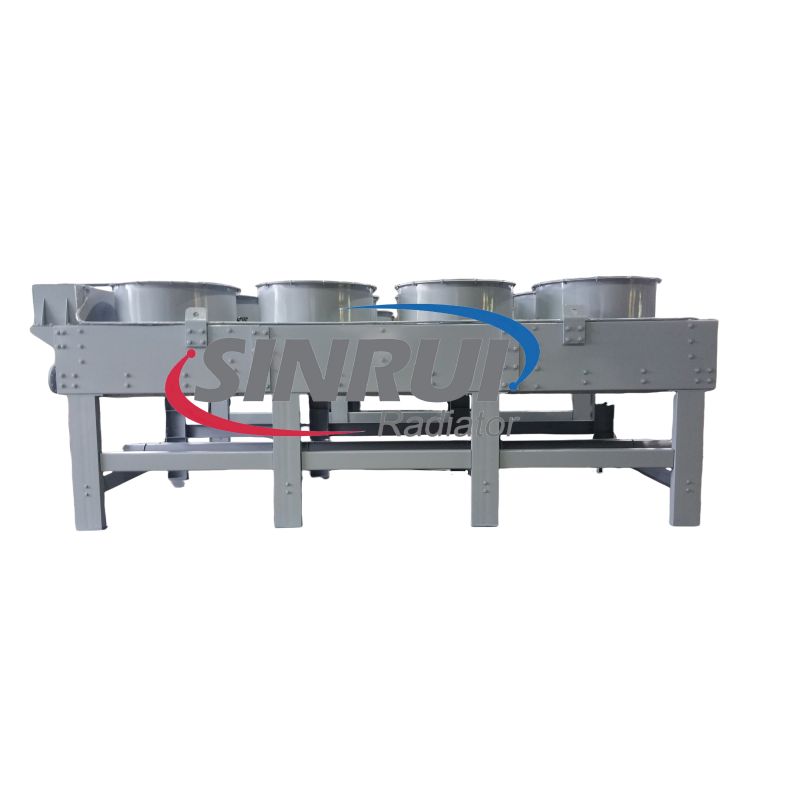
Essential Routine Maintenance Tasks for Dry Cooling Systems
A structured approach to routine maintenance keeps dry cooling systems running at peak efficiency and extends equipment life. Each task targets a specific failure risk—fan imbalance, coil fouling, or control drift—so operators can address issues before they escalate into costly downtime.
Fan Inspection, Balancing, and Vibration Analysis
Fan assemblies are the primary moving parts in a dry cooling unit, and even small imbalances rapidly accelerate bearing wear and motor fatigue. During every quarterly inspection, technicians should check blades for cracks, dirt buildup, and misalignment. Portable vibration analyzers help detect early signs of imbalance or mechanical looseness; readings exceeding 0.15 inches per second (in/s) typically require correction. Rebalancing or blade pitch adjustment restores smooth operation and can reduce energy consumption by up to 8%. Bearings must be lubricated per the manufacturer’s specifications—using the correct grease type and interval—to prevent premature failure. Documenting vibration trends over time enables condition-based replacement planning, shifting from calendar-driven to performance-driven scheduling.
Coil Cleaning Protocols and Corrosion Mitigation Strategies
Finned coils accumulate dust, pollen, and airborne debris that insulate heat-transfer surfaces and increase fan power demand. Cleaning frequency should align with site conditions: every 3 months in dusty industrial zones and every 6 months in cleaner environments. Use compressed air or low-pressure water applied against normal airflow direction—high-pressure washing risks bending aluminum fins and permanently degrading efficiency. After cleaning, measure static pressure drop across the coil to establish a baseline for future fouling assessment. In coastal or corrosive atmospheres, apply protective coatings approved for the fin material and inspect annually for pitting or oxidation. Clean coils maintain design heat rejection, lower condensing temperatures, and directly improve system coefficient of performance (COP).
Control System Diagnostics and Electrical Integrity Checks
Automated controls manage fan speed, temperature setpoints, and safety interlocks—so sensor drift or relay logic errors quickly undermine reliability. At each preventive visit, verify calibration of temperature sensors (RTDs or thermocouples) against a reference standard, and confirm variable-frequency drives (VFDs) ramp fans smoothly across their operating range. Test emergency-stop circuits and high-temperature alarms to ensure proper shutdown response. Inspect wiring terminals for overheating or corrosion, and measure motor winding insulation resistance—values below 1 MΩ indicate moisture ingress or insulation degradation. A well-maintained control log supports root-cause analysis of intermittent faults and unexpected trips.
How Environmental and Operational Factors Influence Dry Cooling Maintenance Frequency
Environmental conditions significantly dictate maintenance schedules for industrial dry cooling systems. Facilities operating in challenging environments require tailored protocols to prevent performance degradation and unexpected failures.
Airborne Contaminants, Dust Load, and Particulate Accumulation
Industrial sites face constant exposure to airborne contaminants that compromise dry cooling efficiency. Dust accumulation on heat exchange surfaces creates insulating layers that reduce thermal transfer efficiency by 30–50%, as documented in ASME’s 2022 guidelines on heat exchanger fouling. Facilities near manufacturing plants or construction zones typically require quarterly coil cleaning versus annual maintenance in cleaner environments. Particulate matter also accelerates abrasive wear on fan bearings and motor assemblies. Implementing air filtration upgrades and protective shrouds can extend maintenance intervals by up to 30% in high-contamination zones.
Humidity, Coastal Salinity, and Temperature Extremes
Humidity and salinity create unique corrosion challenges demanding specialized maintenance approaches. Coastal facilities experience corrosion rates three to five times higher than inland installations, according to NACE International’s 2023 corrosion data. Salt-laden moisture penetrates protective coatings, attacking aluminum fins and copper tubing. Temperature cycling induces condensation that combines with industrial pollutants to form corrosive acids on coil surfaces. Proactive measures—including corrosion-resistant coatings, humidity monitoring with automated drainage, quarterly sacrificial anode inspections, and seasonal protective membrane applications—reduce corrosion-related failures by 40% while extending service life.
Preventive vs. Predictive Maintenance: Maximizing Uptime in Dry Cooling Applications
Scheduled Interventions vs. Condition-Based Monitoring (IR Thermography, Motor Current Analysis)
Preventive maintenance relies on scheduled interventions—such as regular coil cleanings, fan lubrication, and belt replacements—to avoid unexpected failures in dry cooling systems. While effective for managing predictable wear, this approach may result in unnecessary downtime or resource use when components remain healthy. Predictive maintenance uses real-time condition monitoring to assess actual equipment health: infrared thermography identifies hotspots in electrical panels or motor windings, and motor current analysis detects incipient imbalances or bearing wear before catastrophic failure. Combining both strategies allows facilities to schedule necessary interventions during planned outages while addressing emerging issues proactively—optimizing labor and parts allocation, extending equipment lifespan, and minimizing production disruptions caused by cooling system failures.
Frequently Asked Questions (FAQ)
Why is fan balancing important for dry cooling systems?
Fan balancing reduces bearing wear, motor fatigue, and energy consumption. Properly balanced fans maintain system efficiency and prolong equipment life.
How often should coils be cleaned in dry cooling systems?
Cleaning frequency depends on site conditions: every 3 months in dusty environments and every 6 months in cleaner locations.
What is predictive maintenance in dry cooling systems?
Predictive maintenance involves real-time condition monitoring, such as infrared thermography and motor current analysis, to proactively address emerging issues and minimize system downtime.
How can environmental factors like salinity and humidity affect maintenance schedules?
Environmental factors accelerate corrosion and fouling, requiring tailored maintenance strategies like applying protective coatings, monitoring humidity, and inspecting sacrificial anodes to mitigate damage.
What methods detect control system issues during maintenance?
Technicians calibrate sensors, inspect wiring terminals, test emergency circuits, and analyze motor winding insulation resistance to ensure system reliability.
Table of Contents
- Essential Routine Maintenance Tasks for Dry Cooling Systems
- How Environmental and Operational Factors Influence Dry Cooling Maintenance Frequency
- Preventive vs. Predictive Maintenance: Maximizing Uptime in Dry Cooling Applications
-
Frequently Asked Questions (FAQ)
- Why is fan balancing important for dry cooling systems?
- How often should coils be cleaned in dry cooling systems?
- What is predictive maintenance in dry cooling systems?
- How can environmental factors like salinity and humidity affect maintenance schedules?
- What methods detect control system issues during maintenance?